

How is Natural Gas Extracted and Delivered to Your Home?

by Tyler Castle
Updated: February 11, 2026
13 min read
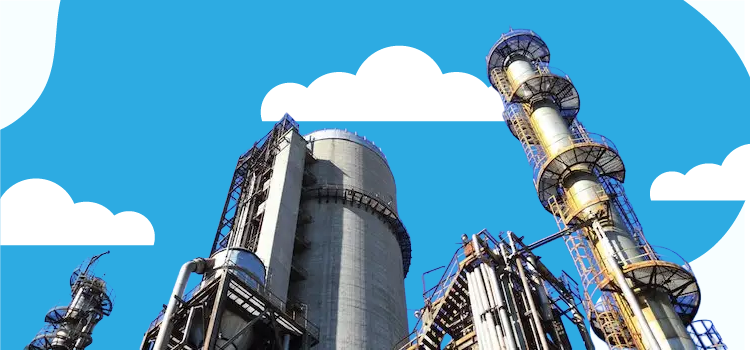
Natural gas is one of the most widely used energy sources in the United States. It heats homes, powers appliances, generates electricity, and supports manufacturing across the country.
In the Midwest especially, natural gas plays a central role in daily life, with millions of homes in Pennsylvania, Ohio, Illinois, Indiana, and Michigan relying on it for warmth during long winters. In fact, according to the Energy Information Administration, the Midwest has the highest shares of households using natural gas.
Despite how common it is, most homeowners and renters have never seen where natural gas actually comes from or how it reaches their home. It doesn’t appear magically in a furnace or stove.
If you’ve wondered about this, you’re not alone. In a recent internal survey, we found that 36% of Employee-Owners at Santanna Energy Services are not familiar with how natural gas is extracted.
As a natural gas supplier with more than 35 years of experience serving Midwest households, we work directly within the regulated natural gas supply chain, giving us firsthand insight into how gas is extracted, processed, and delivered to homes.
This guide explains, step by step, how natural gas is found, extracted, processed, and delivered to your home. Let’s get into it!
Key Points of This Article:
- Natural gas is extracted by locating underground reserves, drilling wells, and allowing the gas to flow upward before it is cleaned, processed, and transported through pipelines.
- Extraction methods vary, with conventional drilling used in porous rock and hydraulic fracturing (fracking) used to release gas trapped tightly in shale formations.
- After extraction, natural gas must be processed to remove water, sulfur, and other byproducts before it can meet quality standards for homes and businesses.
How Is Natural Gas Extracted?
Natural gas is extracted by drilling wells deep into the Earth to reach underground rock formations where gas is trapped. Once the well reaches the gas-bearing rock, the gas flows to the surface either naturally or with assistance, depending on the type of natural gas formation.
After extraction, the gas is cleaned, processed, and transported through pipelines before it reaches your home.
All natural gas extraction follows the same basic path: locate the gas, drill a well, allow the gas to flow, process it, and transport it. What changes is the technology used at each step based on geology, depth, and location.
Where Natural Gas Is Found Underground
The Energy Information Administration cites that the largest single source of natural gas in the United States can be found in North Dakota from the Great Plains Synfuels Plant in Beulah.
On a more national level, since natural gas was formed millions of years ago from ancient plants and microorganisms, natural gas can be found buried under a bunch of layers of sediment.
Over time, heat and pressure from being buried deep below the surface transform that organic material into energy-rich gas, which becomes trapped in tiny spaces within rock layers waiting to be extracted.
The type of rock the natural gas is trapped in determines how easy it is to extract.
There are three main types of natural gas rock formations that are ideal for natural gas extraction:
- Conventional reservoirs are where gas is stored in porous rock like sandstone or limestone. Natural gas flows easily out of these formations when drilled.
- Shale formations are where gas is tightly trapped in dense rock. To get natural gas extracted from these formations, special drilling and pressure-based techniques are used to release the gas so it can move up to the surface.
- Associated gas is found alongside oil deposits and is extracted during oil production.
Step-by-Step: How Natural Gas Is Extracted
Once natural gas has been located underground, the extraction process follows a structured, regulated sequence designed to safely bring gas to the surface.
While the exact tools and techniques can vary based on geology and location, the core steps remain largely the same across the industry.
Below is a clear, step-by-step breakdown of how natural gas moves from deep underground rock formations to the start of the energy supply chain:
Step 1: Exploration and Site Selection
Before drilling begins, geologists use seismic imaging and data modeling to locate underground rock layers that may contain natural gas. These surveys create detailed maps of the subsurface, allowing engineers to identify promising locations.
Once a site is selected, companies secure land access and environmental permits. This stage can take months or even years, depending on location and regulations.
Step 2: Drilling the Well
Drilling starts with a vertical well that can reach thousands of feet below the surface. If the gas is located in shale, the drill turns horizontally once it reaches the target depth, allowing it to access a much larger section of gas-rich rock.
The well is lined with steel casing and sealed with cement to protect surrounding rock layers and groundwater. These barriers are a critical safety feature and are required by regulation.
Step 3: Well Completion
Once drilling is finished, the well is prepared for production. Safety valves, pressure controls, and monitoring systems are installed. This stage ensures the gas can flow safely and consistently to the surface.
At this point, the well is ready to begin producing natural gas.
Step 4: Gas Extraction Begins
In conventional wells, underground pressure often pushes gas upward naturally. In tighter shale formations, additional techniques are used to release the gas so it can flow into the well and up to the surface.
As production begins, the well is monitored continuously to ensure safe operation and consistent output.
Types of Natural Gas Extraction: Conventional Drilling vs. Hydraulic Fracturing
Natural gas isn't extracted in one single way; depending on the location of the extraction and the type, natural gas can be extracted in two main ways:
Conventional Drilling
Conventional drilling is used when natural gas is trapped in porous rock formations (like we described above), and this is used when natural gas can move easily through the rock once a well is drilled.
Because the gas is already under natural pressure, it often flows to the surface with minimal additional intervention.
This method has been used for decades and is considered the most straightforward form of natural gas extraction. Compared to other techniques, conventional drilling typically involves fewer post‑drilling steps, less complex equipment, and a shorter path from drilling to production.
Hydraulic Fracturing (Fracking)
Hydraulic fracturing is the most common natural gas extraction method used when gas is trapped in dense shale rock. After drilling, a mixture of water, sand, and small amounts of additives is pumped into the well at high pressure. This creates tiny cracks in the rock, allowing gas to escape and flow into the well.
Fracturing happens thousands of feet below drinking water sources, and modern regulations require multiple layers of casing and continuous monitoring to protect groundwater.
Other Extraction Methods
- Horizontal Drilling: After drilling vertically, the bit turns to drill horizontally through the gas-rich rock layer, accessing a larger area.
- Coalbed Methane Extraction: Gas is collected from coal seams, often requiring depressurization by removing water.
What Happens After Natural Gas Is Extracted?
Natural gas that comes out of the ground is not instantly ready for use. It contains water vapor, sulfur compounds, and other natural byproducts that must be removed.
Once it's extracted from the ground, it's transported to processing plants where the gas is cleaned, dehydrated, and separated from natural gas liquids. It is then compressed and prepared for long-distance transport. Only after this processing step does natural gas meet the quality standards required for home and business use.
How Natural Gas Extraction Affects Natural Gas Supply (But Not Your Bill)
Natural gas extraction plays a role in how much gas is available in the overall energy system, but it is only one piece of a much larger puzzle. When new wells are drilled and existing wells continue producing, they contribute to the total supply of natural gas moving through pipelines across the country.
However, the amount of gas being extracted does not directly determine what you pay on your monthly energy bill.
Natural gas extraction alone doesn't control the rate or cost of your natural gas bill. While production levels influence overall supply, natural gas prices for home energy use are shaped far more by day-to-day factors like seasonal weather patterns, regional demand, pipeline capacity, storage levels, and local utility delivery charges than by how much gas is coming out of the ground.
This is why two homes can pay very different bills even when supply is high.
Common Misunderstandings About Natural Gas Extraction
Many people have questions or assumptions about how natural gas is extracted, especially because the process happens out of sight. Here are some of the most common misunderstandings, clarified in simple terms:
- Natural gas is stored in underground caves or empty pockets. In reality, gas is trapped in tiny pores within rock formations, not in open spaces.
- Fracking happens near drinking water. Hydraulic fracturing takes place thousands of feet below groundwater sources, with multiple layers of steel and cement separating the well from water supplies.
- Drilling and fracking are the same thing. Drilling creates the well, while fracking is a separate step used only in certain formations to help gas flow.
- All natural gas comes from fracking. Some gas flows naturally from conventional wells without the need for hydraulic fracturing.
- Wells are left behind after production ends. Regulations require wells to be sealed and sites to be reclaimed once production stops.
- Extraction is unregulated. Natural gas extraction is overseen by federal, state, and local regulations that govern safety, water protection, and environmental impact.
How Much Does Natural Gas Extraction Cost?
The cost of natural gas extraction varies significantly depending on several factors, but the cost of natural gas extraction by fracking alone can cost anywhere from $20–$100 million!
The cost of natural gas extraction can vary based on geology and the depth of the natural gas that needs to be extracted. Essentially, the deeper or more complex rock that traps the natural gas, the more material stages are required to get after it.
In the same way, longer horizontal sections increase fracturing fluid and proppant requirements. The longer the extraction, the more money and resources are needed to get the job done.
Location also affects how much natural gas extraction will cost. Local water disposal, labor, land access, and regulations influence total expenses.
Fracking also requires large volumes of water. To do this, water must be transported, stored, treated, and often recycled. Costs vary by region depending on water availability and infrastructure.
You'll need to factor in fuel costs for drilling rigs and pumps and you'll specialized equipment for horizontal wells. Natural gas extraction equipment isn't cheap. Just for daily use, simply renting a rig can cost you $15,000 to $100,000 a day, according to Sophia Oilfield Supply Services.
How Natural Gas Gets From the Power Plant to Your Home
Once processed, natural gas enters high-pressure transmission pipelines that move it across states and regions. These pipelines connect to local distribution systems, which deliver gas to neighborhoods and individual homes.
Utility companies manage the final delivery and monitor safety, while energy suppliers handle customer plans and pricing.
By the time natural gas reaches your home, it has passed through multiple layers of inspection and regulation to ensure reliability and safety.
What Are the Environmental Effects of Natural Gas Extraction?
Natural gas extraction affects the environment in several ways, both during drilling and over the life of a well. These effects vary by location, geology, and how operations are managed, but the most common impacts include:
- Land disturbance and habitat disruption: Drilling sites, access roads, and pipelines can temporarily disrupt local ecosystems and wildlife habitats, especially during construction.
- Water use and management: Hydraulic fracturing requires large volumes of water, which must be sourced, transported, treated, and either recycled or disposed of under strict regulations.
- Potential for water contamination: Modern wells use multiple layers of steel and cement to protect groundwater, but improper casing or old infrastructure can pose risks if not maintained or monitored.
- Air emissions during operations: Equipment, trucks, and processing facilities can release emissions such as methane and carbon dioxide, though technology and regulations are designed to reduce leaks and capture gas.
- Noise, traffic, and community impact: Drilling activity can temporarily increase truck traffic, noise, and light in nearby communities, particularly during the drilling and completion phase.
- Waste handling and disposal: Rock cuttings, used water, and other byproducts must be safely managed and disposed of according to environmental standards.
- Land reclamation after production: Once a well stops producing, sites are sealed and restored, allowing land to be reused for agriculture, development, or natural habitat.
While these impacts exist, regulations, monitoring, and improved technology are designed to limit long-term environmental effects and protect surrounding communities.
What You Can Do to Combat the Effects of Natural Gas Extraction in Your Own Home
While natural gas extraction happens far from most homes, your daily energy choices still play a role in reducing overall demand and environmental impact. Here are practical, homeowner‑friendly ways to help offset the effects:
- Use natural gas more efficiently: Maintain your furnace, water heater, and appliances so they use less fuel to do the same job.
- Seal air leaks and improve insulation: A well‑sealed home needs less heating in winter, which reduces overall gas demand.
- Lower your thermostat a few degrees in winter: Even small adjustments can significantly reduce natural gas use over a season.
- Upgrade to high‑efficiency appliances: ENERGY STAR‑rated furnaces, boilers, and water heaters use less gas while delivering the same comfort.
- Use smart thermostats and programmable schedules: These help avoid heating empty rooms and reduce unnecessary runtime.
- Reduce hot water waste: Shorter showers, cold‑water laundry, and efficient fixtures all cut down on gas used for water heating.
- Choose longer‑lasting, well‑maintained appliances: Fewer replacements reduce the upstream demand for new materials and energy.
- Consider renewable add‑ons where possible: Options like solar panels or renewable energy plans can offset some household energy use.
- Be mindful of seasonal usage: Peak winter demand is when the system is under the most stress, so conservation during cold snaps matters most.
- Stay informed about your energy use: Understanding your usage patterns helps you make smarter decisions that reduce overall impact.
FAQ's
How long does natural gas extraction take?
According to Stanford University, drilling for natural gas usually takes 50-60 days, while well completion (the process of perforating the steel pipe to access the reservoir
Needed for hydraulic fracking) takes 1-5 weeks.
Is natural gas extraction safe?
Natural gas extraction comes with significant safety risks and isn't always safe. On the job, there's the risk of potential fires, explosions, air pollution, falls, chemical exposure and even gas burns.
How deep are natural gas wells?
Natural gas wells can range in size from a few hundred feet to over 6,000 meters, or over 19,000+ feet!
Can natural gas supplies run out?
Natural gas is a non-renewable resource so it will eventually run out.
Natural gas travels a long, carefully regulated journey before it ever reaches your home, from deep underground rock formations to the appliances you use every day. Understanding that process helps make sense of why efficiency, conservation, and smart energy choices matter more than most people realize.
If you want to reduce your impact without giving up comfort, Santanna's Earth-Friendly Gas Plan makes it easy to support renewable initiatives while still heating your home reliably. It's a simple way to pair everyday energy use with a more sustainable future, without changing how your home runs.
Tyler is an experienced energy professional, having worked for Santanna Energy Services, for the past four years. He is passionate about renewable energy and believes that diversifying the energy grid is the key to a sustainable future. Tyler is dedicated to supplying consumers with the best possible energy solutions and works diligently to make sure that Santanna can deliver the highest quality service.