
Electric vs Gas Lawn Equipment: Energy Use, Costs, and What Homeowners Should Know

by Tyler Castle
26.4 min read
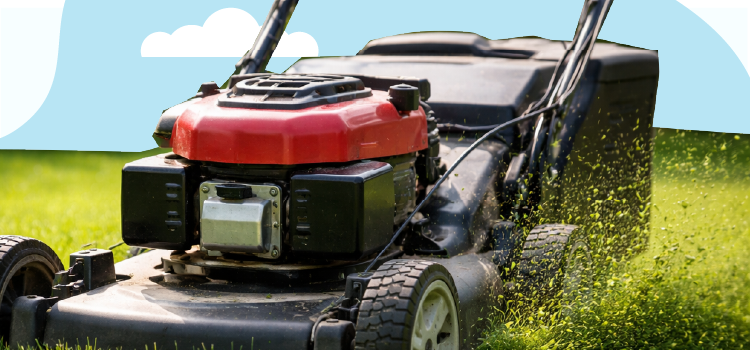
On the surface, electric and gas lawn equipment look like they do the same job, but the differences start to matter once you think about cost, power, and how they fit into your routine.
Many homeowners wonder if electric lawn equipment will raise their electric bill, if it is powerful enough for their yard, or if gas is still the better choice for long mowing sessions. Others assume electric is always cheaper or gas is always stronger, but the reality is more nuanced.
It’s completely normal to feel unsure. Lawn equipment decisions are rarely about just one feature. They’re about yard size, mowing habits, storage space, maintenance tolerance, and long-term energy costs. And there truly isn’t one right answer for every home.
If this feels like a lot to sort through, take a breath. At Santanna Energy Services, we’ve been helping Midwest residents understand how everyday tools and appliances affect their energy usage, comfort, performance, and costs for over 35 years. We’re here to make it simple.
In this guide, we break down the differences between electric vs gas lawn equipment to ultimately help you decide what’s best for your home. Keep reading to get a clear, practical comparison you can actually use.
Key Points of This Article:
- Electric lawn equipment is more energy‑efficient, quieter, and cheaper to operate, but is limited by battery runtime and charging needs.
- Gas lawn equipment provides stronger power and longer uninterrupted runtime, making it better for large yards and tough conditions.
- Lawn size, grass type, noise tolerance, and maintenance preferences are the biggest factors in choosing electric vs. gas equipment.
- Electric tools generally cost only a few dollars per season to run, while gas tools cost significantly more due to fuel and maintenance.
How Electric and Gas Lawn Equipment Works
Electric lawn mowers use electricity to spin the blade. That electricity comes from a battery or a power cord. When you press the start button, power flows to an electric motor, and the motor turns the blade to cut the grass.
There is no fuel, no fire, and no exhaust. Most of the electricity goes straight into moving the blade.
Gas lawn mowers use gasoline to spin the blade. When you pull the starter, gas mixes with air and ignites inside the engine. That small explosion creates movement, which turns the blade.
Gas mowers need fuel, oil, and engine parts to keep running. As gas burns, some energy cuts the grass, and the rest becomes heat and exhaust.
The same pattern applies to other lawn tools.
Trimmers
Electric trimmers use battery-powered motors to spin cutting lines quietly and with low vibration. Gas trimmers rely on small combustion engines that require fuel, oil, and more frequent maintenance.
Leaf Blowers
Electric leaf blowers create airflow using an electric motor, producing less noise and no exhaust. Gas blowers typically deliver higher peak power and longer continuous runtime, which can matter for larger properties or heavy leaf buildup.
Hedge Trimmers and Edgers
Electric hedge trimmers and edgers are lighter, easier to start, and generally simpler to maintain. Gas versions are heavier and louder, but they are often preferred for heavy-duty or commercial use where extended runtime is important.
Chainsaws
Electric chainsaws are convenient for light pruning, small tree removal, and storm cleanup around the house. Gas chainsaws are built for extended cutting sessions and larger jobs, especially in wooded areas.
Whether the tool is a mower, blower, or trimmer, the tradeoffs stay consistent: electric tools prioritize convenience and low maintenance, while gas tools prioritize power and nonstop runtime.
Electric Lawn Equipment Pros and Cons: What Homeowners Should Know
Electric lawn equipment is popular for everyday residential lawns because it is easy to use and simple to maintain. Most of its strengths and limitations come down to how batteries store and deliver energy. If you’ve been wondering whether electric tools are truly practical for your yard, here’s what you should know.
Pros of Electric Lawn Equipment
Lower operating cost
According to EnergySense, electricity is usually cheaper and more predictable than gasoline. Over a mowing season, charging a mower’s battery or plugging a mower in often costs only a few dollars over a season, while gas models can cost a little more.
Quiet operation
One of the most noticeable differences is the noise level. Electric leaf blowers and string trimmers are dramatically quieter than gas versions. If you’ve ever felt hesitant about mowing early in the morning or later in the evening, this can make a real difference in your routine.
Low maintenance
Electric trimmers, edgers, and chainsaws avoid many of the maintenance tasks that come with gas engines. There is no carburetor to clean, no fuel to mix, and no seasonal winterizing. From a convenience standpoint, this is one of the biggest reasons homeowners make the switch to electric lawn equipment.
Easy starting
Most electric mowers start with a push button or trigger. There is no pull cord, which reduces physical effort and frustration. If you’ve ever struggled with a stubborn starter rope, you know how appealing this can be.
No exhaust emissions while running
Electric equipment does not release exhaust fumes during use. This improves air quality around your home and makes indoor storage safer since there are no fuel vapors lingering after use.
Cons of Electric Lawn Equipment
Limited runtime per charge
Battery capacity determines how long the equipment can run before needing a recharge. Larger lawns may require spare batteries or planned breaks. If your yard takes more than an hour to mow, this is something to think through carefully.
Higher upfront cost
According to PowerSmart, electric mowers often cost more to buy than basic gas models. The price increases further if you need additional batteries.
Battery replacement over time
Batteries wear out after 3-5 years of use, depending on usage and storage conditions. Replacing a battery adds to long-term ownership costs, so it’s helpful to factor that into your overall budget planning.
Reduced performance in very thick grass
Tall, wet, or heavily overgrown grass can drain batteries more quickly and reduce cutting performance. If mowing is infrequent or your yard has dense Midwest turf, you may notice shorter runtime under heavy load.
Longer charging time
Electric equipment using a battery needs time to recharge. If the battery is not charged and you need to start your job right away, you may have to wait before getting started.
Gas Lawn Equipment Pros and Cons: What Homeowners Should Know
Gas lawn equipment has been used for decades, and many homeowners trust it for steady power and long run time. Its advantages come from fuel-driven engines, while its downsides are tied to maintenance, noise, and emissions. Let’s break down where gas tools shine and where they require more consideration.
Pros of Gas Lawn Equipment
Long, uninterrupted runtime
Gas mowers can run as long as there is fuel in the tank. This makes them useful for large yards or long mowing sessions. For properties over half an acre, this nonstop runtime can be a major advantage.
Strong performance in tough conditions
Gas engines tend to perform well in thick, wet, or overgrown grass. The same is true for gas chainsaws and backpack leaf blowers, which are designed for heavy-duty work that would quickly drain a battery. If your yard regularly deals with dense Midwest turf or storm debris, this extra power may matter.
Quick refueling
Refilling a gas tank takes only a few minutes. There is no waiting for batteries to recharge. If you prefer to get yard work done in one continuous block of time, this convenience can feel important.
Well-suited for large properties
Gas mowers are available with wider cutting decks and higher power levels, which can reduce total mowing time on bigger lawns.
Cons of Gas Lawn Equipment
Higher ongoing operating costs
Gasoline, oil, and routine maintenance add recurring expenses. These costs often increase over time and fluctuate with fuel prices.
More maintenance required
Gas equipment requires ongoing care, including using a fuel stabilizer, changing spark plugs, and occasional engine tune-ups. Over time, this adds both cost and effort.
Louder and more physically demanding
Gas engines produce more noise and vibration than electric motors. This can lead to fatigue during longer sessions and may limit when you feel comfortable mowing in residential neighborhoods.
Produces exhaust emissions while running
Gas lawn equipment releases exhaust while operating. According to the California Air Resources Board, “using a gas lawn mower for about one hour can create pollution similar to driving a car roughly 300 miles.” Even short mowing sessions can affect local air quality.
Fuel storage and ventilation concerns
Gasoline must be stored carefully in approved containers and kept in well-ventilated areas. Gas equipment also releases fumes, which makes indoor storage more complicated. For households with children or pets, this is an added safety consideration.
Key Factors to Consider When Buying Lawn Equipment
Choosing lawn equipment is not just about power or price. The right choice depends on how your yard is laid out, how often you mow, and how much time and effort you want to put into upkeep. A mower that works perfectly for a small suburban lot may feel frustrating on a larger property.
If you’re unsure where to start, think about your everyday routine. How long does it usually take you to mow? Do you prefer getting everything done in one session, or are you fine with taking breaks? Are you comfortable handling seasonal maintenance, or would you rather keep things simple?
From a practical standpoint, here are the key factors that connect your yard’s needs to the type of equipment that usually works best:
Lawn Size
Lawn size plays a big role in how much runtime you need and how long each mowing session will last. Small to medium yards can often be finished in one session, which makes electric mowers a practical and efficient option. Larger yards usually take longer to mow and may require uninterrupted runtime, which is where gas mowers tend to work better.
The bigger the yard, the more important endurance becomes. Gas chainsaws or commercial-style trimmers may still make sense for very large properties or heavy landscaping.
Grass Type
Grass that is thick, wet, or fast-growing takes more energy to cut cleanly. Lawns that are mowed regularly tend to stay manageable and are easier on equipment, which allows electric mowers to perform well.
If grass is allowed to grow tall or dense, the mower has to work harder. In those conditions, gas mowers usually handle the extra resistance more consistently, especially when mowing is less frequent.
Noise
Noise affects how comfortable mowing feels and when you can do it. In neighborhoods where homes are close together, quieter equipment makes it easier to mow early in the morning or later in the evening without disturbing others.
Electric mowers are generally much quieter, which many homeowners find more pleasant to use. Gas mowers are louder and may be better suited to rural areas or situations where noise is less of a concern.
Maintenance
Maintenance needs vary widely between equipment types. Electric mowers require very little upkeep beyond cleaning and blade sharpening, which appeals to homeowners who want a simpler routine. Gas mowers need more regular care, such as oil changes, spark plug checks, and fuel management.
Homeowners who are comfortable with routine engine maintenance may not mind this, but it adds time and ongoing costs. Electric leaf blowers are often ideal for most homeowners because blowing leaves requires short bursts of power.
Environmental Impact
Lawn equipment also affects air quality and energy use around your home. Electric mowers do not produce exhaust while running and use energy more efficiently, which helps reduce local pollution.
Gas mowers burn gasoline and release emissions during use. While gas equipment can still make sense for demanding jobs, electric options are generally the cleaner choice for everyday residential mowing.
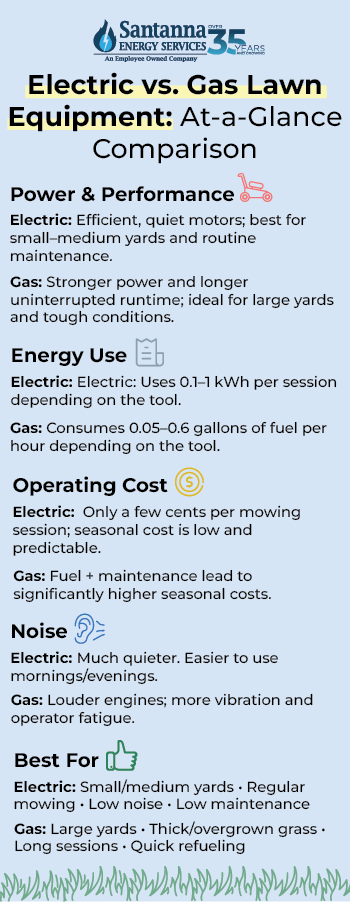
In most cases, electric equipment works best for small to medium yards with regular mowing, while gas equipment tends to work best for large yards, tougher grass, and long mowing sessions. Understanding these factors helps you choose equipment that fits your real needs, not just what looks powerful on the shelf.
Electric vs Gas Lawn Equipment Beyond Mowers
Electric and gas lawn tools differ in power, runtime, weight, and maintenance, and those differences matter just as much beyond mowers. The right choice depends on how heavy the job is and how often you use the equipment.
String Trimmers
Electric trimmers are lighter, easier to start, and require no fuel mixing. They work well for routine lawn edging and small to medium yards. Gas trimmers provide more torque and are better for thick weeds or large properties.
Leaf Blowers
Electric blowers are ideal for driveways, patios, and light leaf cleanup. Gas blowers deliver stronger airflow and longer continuous runtime, useful for large fall cleanups.
Chainsaws
Electric chainsaws are great for pruning and small tree removal. Gas chainsaws remain the better choice for felling large trees or cutting firewood for long periods.
Edgers and Hedge Trimmers
For most residential needs, electric versions provide more than enough power with far less maintenance. Gas models are typically chosen for commercial or heavy-duty landscaping work.
Across most tools, the pattern stays consistent: electric prioritizes convenience and lower upkeep, while gas prioritizes raw power and extended runtime.
Electric vs. Gas Lawn Equipment: How They Compare
Electric and gas lawn equipment do the same job, but they use energy in very different ways. Those differences affect how much energy it uses, how loud it is, how much maintenance it needs, and what it costs to run over time.
If you’ve been trying to compare them side by side, this is where things become clearer. The chart below provides a practical breakdown of how electric and gas equipment stack up in real-world residential use, including efficiency, energy consumption, maintenance, and overall convenience.
How Electric and Gas Compare by Tool Type
| Tool Type | Typical Electric Energy Use | Typical Gas Fuel Use | Electric Best For | Gas Best For |
| Lawn Mower | About 1 kWh per session | 0.4–0.6 gallons/hr | Small to medium yards, routine mowing | Large yards, thick or tall grass |
| String Trimmer | 0.2–0.4 kWh per use | About 0.1 gal/hr | Weekly edging and light trimming | Heavy weeds and large properties |
| Leaf Blower | 0.1–0.3 kWh per use | 0.1–0.2 gal/hr | Light debris and regular cleanup | Heavy leaves and big fall cleanups |
| Chainsaw | 0.5–1 kWh per use | 0.2–0.4 gal/hr | Pruning and small trees | Large trees and extended cutting |
| Hedge Trimmer | 0.15–0.3 kWh per use | 0.05–0.1 gal/hr | Regular shaping and maintenance | Overgrown shrubs and thick branches |
Let's see how those differences from the chart above affect efficiency, cost, and long-term planning.
Electric vs. Gas Lawn Mower: Which is More Efficient?
Electric lawn mowers are more energy efficient than gas lawn mowers for most residential yards because they convert more of their energy directly into cutting. In typical side-by-side comparisons, electric models use significantly less total energy per mowing session.
A cordless electric mower uses about 1 kWh of electricity per mowing session, which costs only a few cents each time and stays low across the season. Most of that electricity goes directly into cutting grass, with very little energy wasted.
Battery-powered units can use less, at around 0.42 kWh per mow. For small to medium lawns that are maintained regularly, the energy demand stays modest.
A gas mower, by comparison, uses about 0.5 gallons of gasoline per hour. This leads to much higher energy costs over the same number of mowing sessions. A large share of that fuel is lost as heat and exhaust rather than used for cutting.
When you compare the two side by side, the difference is easy to see. Electric mowers do more useful work with less energy, while gas mowers require more fuel to achieve the same result.
Cost of Running an Electric vs. a Gas Lawn Mower
Understanding how much it actually costs to run a lawn mower helps homeowners plan better and avoid surprises. The sections below compare estimated operating costs for electric and gas lawn mowers using the same usage pattern, so the difference comes down to the energy source, not how often you mow.
These are estimates, meant to show how energy use translates into real dollars during a typical mowing season.
Electric lawn mowers use a small and predictable amount of electricity per hour. Under typical conditions, the cost to run an electric mower stays low across the entire mowing season. Lawn size affects runtime and battery needs more than the electricity cost itself.
Estimated Cost to Run an Electric Lawn Mower by Lawn Size (Based on 1 kWh per session at the E.I.A. average rate of 17.98 cents per kWh as of October 2025)
| Lawn Size | Cost per Session | Weekly Cost | Seasonal Cost (30 sessions) |
| Small Yard (≤ 5,000 sq ft) | $0.09 | $0.09 | $2.70 |
| Medium Yard (5,000–10,000 sq ft) | $0.14 | $0.14 | $4.20 |
| Large Yard (10,000–20,000+ sq ft) | $0.18 | $0.18 | $5.39 |
Disclaimer: These are hypothetical estimates, designed to show how energy use translates into real seasonal costs for typical U.S. yards.
Electric lawn mowers use a small and predictable amount of electricity per hour. Under typical conditions, the cost to run an electric mower stays low across the entire mowing season. Lawn size affects runtime and battery needs more than the electricity cost itself.
Estimated Cost to Run a Gas Lawn Mower by Lawn Size (Based on 1 hour per session at the E.I.A. average rate of $2.796 per gallon of gasoline as of January 2026)
| Lawn Size | Cost per Session | Weekly Cost | Seasonal Cost (30 sessions) |
| Small Yard (≤ 5,000 sq ft) | $0.70 | $0.70 | $21.00 |
| Medium Yard (5,000–10,000 sq ft) | $1.05 | $1.05 | $31.50 |
| Large Yard (10,000–20,000+ sq ft) | $1.40 | $1.40 | $42.00 |
Disclaimer: These are hypothetical estimates, designed to show how energy use translates into real seasonal costs for typical U.S. yards.
Gas lawn mowers burn fuel continuously while running. Even with moderate weekly use, fuel costs add up over a mowing season. These costs can also change year to year depending on gasoline prices.
Energy costs for other lawn tools follow the same pattern. Charging a leaf blower or string trimmer battery typically uses only a fraction of a kilowatt-hour per session, while gas-powered versions consume fuel continuously. Over a season, electric tools usually cost only a few dollars to operate, while gas tools add recurring fuel and maintenance expenses.
How Mowing Habits and Choice of Equipment Affects Your Energy Use and Your Monthly Bill
Your mowing habits affect your energy use just as much as the type of mower you choose. How often you mow, how long each session lasts, and how your yard is laid out all influence how much electricity or gasoline you use over a season.
In the Midwest, most lawn care happens in spring and summer when grass grows fast and mowing becomes a weekly habit. Those routines directly affect how much energy your mower uses and how predictable your costs are.
Mowing regularly keeps the grass short and easier to cut. When grass is maintained weekly, both electric and gas mowers work more efficiently because the blades meet less resistance. If mowing is skipped and grass grows tall or thick, electric batteries drain faster and gas mowers burn more fuel. Over time, infrequent mowing leads to higher energy use and more strain on equipment.
Session length makes a difference too. Larger properties naturally require longer sessions. With electric mowers, longer runtime means more kWh used and a slightly higher cost per session. With gas mowers, longer runtime means more fuel burned and a higher cost per session.
Electric mowers may need battery swaps or recharging, while gas mowers will use more fuel in a single outing.
Yard layout matters too. Flat, open lawns are quicker and easier to mow than yards with slopes, tight corners, or obstacles. Two lawns of the same size can use very different amounts of energy depending on how easy they are to mow.
For electric lawn equipment, this energy use shows up as a small addition to your electric bill. Charging a mower uses much less electricity than major household appliances, and because mowing is seasonal and usually weekly, the cost is spread out over time.
For gas mowers, energy use is reflected in fuel purchases. Those costs can vary depending on mowing time and changing gasoline prices.
In most cases, small habits make the biggest difference. Stay on a regular mowing schedule and work with your yard, not against it, and your energy use will stay more predictable no matter which mower you choose.
The Environmental Impact of Using Electric vs Gas Lawn Equipment
The biggest environmental difference between electric and gas lawn equipment comes from how they use energy and what they release into the air while running.
Electric lawn equipment does not produce exhaust emissions while in use. This means there are no fumes released into the air around your home while you mow. Electric motors also use energy more efficiently, so less energy is wasted as heat. When electricity comes from cleaner sources on the grid, the overall environmental impact can be even lower.
Because electric equipment does not use gasoline, there is also no risk of fuel spills or evaporating fumes during storage. This helps reduce both air pollution and soil contamination around the home.
Gas lawn equipment burns gasoline and releases pollution into the air. Small engines are less efficient than electric motors, so a larger portion of the energy is lost as heat rather than used for cutting grass. Even short mowing sessions can have an impact on air quality. Gas equipment also requires fuel storage, which can lead to spills or fumes if not handled carefully.
Maintenance Tips for Electric Lawn Equipment
Electric equipment does not require much upkeep, but small routine care can protect your battery, extend performance, and prevent avoidable wear.
Keep the Equipment Clean
After mowing, remove grass clippings and dirt from the deck and blade area. Built-up debris can reduce airflow and efficiency.
Check and Sharpen the Blade Regularly
A sharp blade cuts grass cleanly and uses less energy. Dull blades make the motor work harder and can shorten battery runtime.
Store Batteries Properly
Keep batteries in a dry, indoor space away from extreme heat or cold. Room-temperature storage helps protect battery life.
Charge Batteries Correctly
Use the manufacturer-recommended charger and avoid leaving batteries plugged in for long periods after they are fully charged.
Inspect Cords and Connections If Corded
For corded equipment, check cords for damage before each use to prevent safety issues and power loss.
Maintenance Tips for Gas Lawn Equipment
Now that we’ve covered electric upkeep, let’s talk about gas. Gas lawn equipment requires more routine maintenance, but staying on top of it helps prevent breakdowns and keeps engines running efficiently.
Change the Oil as Recommended
Clean oil helps the engine stay lubricated and running smoothly. Skipping oil changes can shorten engine life.
Check and Replace the Spark Plug
A worn spark plug can make starting difficult and reduce performance. Replacing it is usually simple and inexpensive.
Clean or Replace the Air Filter
A clean air filter helps the engine burn fuel efficiently. Dirty filters can reduce power and increase fuel use.
Use Fresh Fuel
Old or stale gasoline can cause starting problems and engine damage. Use fresh fuel and follow seasonal fuel storage guidelines.
Winterize Before Storage
Before long-term storage, empty or stabilize fuel, clean the mower, and store it in a dry place. This makes spring startup easier.
Best Electric Lawn Equipment: What Efficiency and Cost Features Matter Most
The most important features of electric lawn equipment are battery capacity, motor efficiency, runtime, and charging speed, as they directly affect performance and long-term cost. Focusing on these practical features matters more than the brand name.
Let’s look at a few examples below that reflect common specifications found in well-rated electric equipment used by homeowners.
EGO POWER+ Electric Lawn Mower
The EGO POWER+ Electric Lawn Mower uses a high-capacity 56V, 7.5Ah battery that supports longer mowing sessions, often up to about 60 minutes per charge under typical conditions. The option to switch cutting blades helps manage how hard the motor works, which can improve efficiency depending on your mowing needs. The EGO POWER+ model is best suited for medium to larger residential yards that require steady performance.
RYOBI 40V HP Brushless 21-Inch Cordless Lawn Mower
The RYOBI 40V HP Brushless 21-Inch Cordless Lawn Mower features a 40V brushless motor system designed to convert more battery power into cutting work instead of excess heat. Dual battery ports allow longer mowing time by switching batteries automatically, reducing downtime.
It is designed for small to medium yards, including properties up to about three-quarters of an acre, depending on conditions. The brushless motor improves efficiency and supports steady performance during routine weekly mowing.
Greenworks 40V Cordless String Trimmer
The Greenworks 40V Cordless String Trimmer delivers smooth, consistent cutting power with a removable battery that adds flexibility. It’s a practical choice for homeowners who want to use the same battery across multiple Greenworks tools. If you already own other Greenworks 40V equipment like a blower or hedge trimmer, this trimmer becomes a more cost-effective option over time.
Makita XBU02PT 36V Blower
Makita XBU02PT 36V Blower delivers strong airflow using dual batteries. It’s a solid choice for homeowners with trees where leaves build up throughout the season. By using two batteries instead of one, the Makita XBU02PT produces higher air speed and volume than many lightweight electric blowers while staying quieter and cleaner than gas.
Ryobi ONE+ 18V Chainsaw
The Ryobi ONE+ 18V Chainsaw is a lighter saw that works well for quick jobs and trimming smaller branches. It pairs with Ryobi’s large ONE+ battery platform, allowing you to use the same batteries across compatible Ryobi tools. If you already own Ryobi equipment like trimmers or blowers, this chainsaw adds convenience without requiring additional chargers or power systems.
Best Gas Lawn Equipment: What Efficiency and Cost Features Matter Most
If electric prioritizes convenience, gas focuses on endurance. Here are a few examples of the best gas lawn equipment.
Toro Recycler 21-Inch Gas Self-Propelled Lawn Mower
The Toro Recycler 21-Inch Gas Self-Propelled Lawn Mower uses a 140cc engine designed for long, uninterrupted mowing sessions. Its cutting system is designed to finely process grass clippings, which can reduce how often homeowners need to bag or dispose of clippings.
Because it is self-propelled, it works well for medium-sized yards or uneven terrain, though fuel is burned continuously while running. This mower is best for homeowners who value endurance and consistent performance during weekly mowing.
YARDMAX 22-Inch 3-in-1 Rear-Wheel Drive Self-Propelled Lawn Mower
The YARDMAX 22-Inch 3-in-1 Rear-Wheel Drive Self-Propelled Lawn Mower features a 201cc engine that delivers strong cutting power for thicker grass. The larger engine allows for steady performance during longer sessions, but it also increases fuel use per hour. It is well-suited for medium to large yards where mowing may take more time or involve tougher conditions.
From an efficiency standpoint, the mower trades higher fuel consumption for sustained power and flexibility.
STIHL FS 56 Gasoline Grass Trimmer
The STIHL FS 56 Gasoline Grass Trimmer is known for easy starting and balanced weight. It uses a straight shaft design that gives better reach under bushes and along edges. Homeowners who have uneven property or thick grass often prefer this trimmer because it maintains steady power without bogging down.
Echo SRM‑225 String Trimmer
The Echo SRM‑225 String Trimmer is a long‑time favorite for reliability and simple maintenance. It is light enough for regular weekly use but strong enough for overgrown areas. Many owners choose this model because parts and service are easy to find nationwide.
Husqvarna 128LD Weed Whacker
The Husqvarna 128LD Weed Whacker is built for flexibility, accepting attachments like edgers and pole saws. This multi-purpose design allows one gas engine to handle several lawn tasks. For homeowners who prefer one tool that does more, the Husqvarna 128LD offers that convenience.
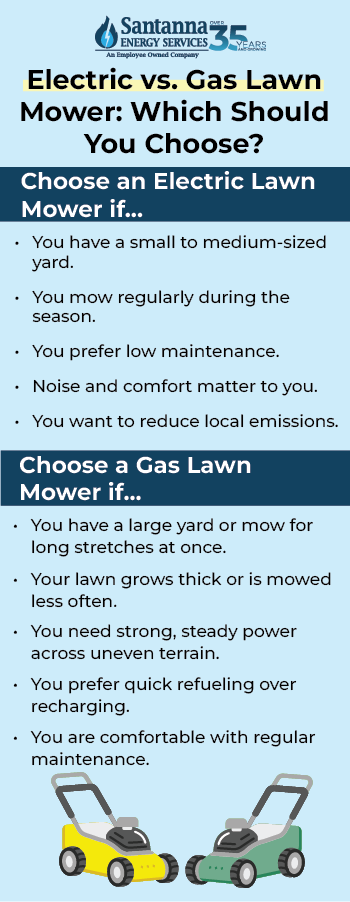
Electric vs. Gas Lawn Mower: Which Is Better?
There is no single “better” mower for every home. The right choice depends on your yard, how you mow, and how much predictability you want around energy use and upkeep. The guidance below is meant to help you quickly see which option aligns best with your needs.
Choose an Electric Lawn Mower if…
- You have a small to medium-sized yard
Electric mowers are well-suited for typical Midwest residential lawns that can be mowed in one session.
- You mow regularly during the season
Weekly mowing keeps grass manageable, which allows electric mowers to run efficiently without draining batteries quickly.
- You prefer low maintenance
Electric lawn mowers do not require oil changes, spark plugs, or fuel storage, which simplifies ownership.
- Noise and comfort matter to you
Electric mowers are quieter and create less vibration, making them easier to use in neighborhoods and more comfortable during routine mowing.
- You want to reduce local emissions
Electric mowers produce no exhaust while operating, which helps improve air quality around your home.
Choose a Gas Lawn Mower if…
- You have a large yard or mow for long stretches at once
Gas mowers can run continuously as long as fuel is available, which is helpful for large or spread-out properties.
- Your lawn grows thick or is mowed less often
Gas engines handle tall, dense, or wet grass more consistently, especially when mowing is infrequent.
- You need strong, steady power across uneven terrain
Rear-wheel drive and larger engines can perform better on slopes or rough areas.
- You prefer quick refueling over recharging
Filling a gas tank takes minutes, while charging a battery can take hours.
- You are comfortable with regular maintenance
Gas mowers require oil, fuel management, and seasonal upkeep, which some homeowners are used to managing.
The best choice is the one that fits how you actually care for your lawn, not just what works in theory.
FAQs
Is electric lawn equipment powerful enough for my lawn?
Generally, yes. Modern electric lawn mowers and tools can provide enough power for most small and medium residential yards.
Does electric lawn equipment cost less to run?
Yes. Electric lawn equipment generally costs less to use because electricity is cheaper and more stable in price than gasoline.
Which lasts longer — electric or gas lawn tools?
There is no one answer for all cases. Gas engines can provide long continuous run times and are rugged for heavy jobs. Electric mowers often need battery replacement after 3-5years, but they have fewer moving parts and less mechanical wear overall.
Can electric mowers handle thick grass?
In many cases, yes. Modern electric mowers with strong lithium-ion batteries can handle moderately thick grass effectively on small and medium yards.
Choosing between electric and gas lawn equipment comes down to understanding your own needs. Yard size, mowing habits, maintenance preferences, and long-term costs all shape what makes sense for your home. There is no single right answer; only the one that best fits your routine and priorities.
Looking at these choices through an energy lens helps bring clarity. When you understand how energy is used and what it costs over time, it becomes easier to plan and avoid surprises. That same awareness supports smarter decisions across your entire home, not just in the yard.
If predictable energy costs year-round matter to you, Santanna’s Unlimited Energy plan is one option to consider. Instead of your supply charge changing month to month based on usage, this plan offers a predictable supply charge, which can make budgeting easier as seasons and energy needs change.*
* Restrictions apply. Enrollment based upon program eligibility. Customers using more than 125% of normal monthly usage as determined by Santanna may be required to switch plans.
Tyler is an experienced energy professional, having worked for Santanna Energy Services, for the past four years. He is passionate about renewable energy and believes that diversifying the energy grid is the key to a sustainable future. Tyler is dedicated to supplying consumers with the best possible energy solutions and works diligently to make sure that Santanna can deliver the highest quality service.