
How Long Does It Take To Switch My Energy Supplier?

by Chris Tessler
17.8 min read

Switching energy suppliers can feel confusing at first. One of the most common questions is about timing: how long does it actually take, and what happens in the meantime? Many people also worry about losing power, dealing with paperwork, or whether switching will even show up on their bill.
If you’re in a deregulated energy market, switching suppliers gives you the ability to choose your rate and plan features, which can help bring more consistency to your monthly energy costs. Still, it’s fair to wonder whether the process is worth it, especially if it sounds time-consuming or complicated.
As an energy supplier with 35 years of experience serving homes across the Midwest, we hear these common questions from customers all the time. So let us help you understand how the process works and what actually happens behind the scenes to help make the decision to switch feel far more straightforward.
We’ll break down how long the switch typically takes, what factors can affect timing, and what you can expect from start to finish so you can move forward with clarity and confidence.
Key Points of This Article:
- Switching an energy supplier usually takes 1 to 2 billing cycles, or about 30 to 60 days, before the change appears on your bill.
- To switch, you'll need basic details like your home address, current plan, annual energy usage or yearly cost, and your electricity or gas supply account number.
- In deregulated states like Ohio, Illinois, Pennsylvania, and Michigan, switching energy suppliers is usually free, unless your current plan includes an early termination fee.
- Switching does not guarantee savings, but it can help you manage costs and avoid unexpected rate changes.
- You can switch suppliers even if you're under contract, though early termination fees may apply depending on your plan.
- Renters can usually switch suppliers if the utility account is in their name and the lease does not restrict it.
How Long Does It Take To Switch Energy Suppliers?
In most cases, switching energy suppliers takes about one to two months with the switch appearing on your utility bill within 1 to 2 billing cycles, or about 30 to 60 days. Switching energy suppliers does not happen instantly.
This timeline is set by your utility, not the supplier, because utilities only process changes when they complete their next scheduled meter read and because they handle the billing.
In other words, your new supplier can only take effect once your utility reads your meter and starts a fresh billing cycle.
This system is in place to make sure your usage is measured correctly; your billing stays accurate, and you are never overcharged. Once your meter-read date passes, your next bill will show your new supplier and rate. But while you’re switching, the good news is; your energy service continues without any interruptions while this is taking place.
Factors That Affect How Long Your Energy Supplier Switch Takes
While the timeline of switching your energy supplier isn’t always a hard and fast rule, some things can get in the way that might delay this process.
Here are the main things that can affect your switching timeline and determine how quickly your new energy supplier appears on your bill:
Utility Meter Read Schedule (Most Important Factor)
The biggest factor that affects how long it takes to switch your energy supplier is your utility’s meter-read schedule. Your new supplier can only start after your utility reads your meter and begins a new billing cycle. This is why most switches take one to two billing cycles, even if you sign up right away.
Your Current Contract Terms
Your current contract terms can affect how soon you’re able to switch. Some plans require advance notice or include a fee if you leave before the contract ends. Checking your contract dates ahead of time helps you avoid surprises and plan your switch at the right time.
Account Verification Issues
Your switch can be delayed if any of your account details don’t match what your utility has on file. Small issues like a misspelled name, wrong account number, or recent address change can pause the process. Double-checking your bill before enrolling helps your switch go through smoothly.
Moving or Starting New Service
If you’re moving or starting new service, the switch may take a little longer because your utility must activate your account first. If you’re moving to a new area that has an entirely new utility company you haven’t enrolled in, this can cause delay since they have to set you up with an account and verify your address.
A supplier cannot be changed until service is active at the new address. Once that happens, the switch follows the normal process and starts on the next meter-read date.
Things To Know and Do Before You Switch Energy Suppliers
Before you switch to a new supplier, it helps to check a few important details on your current plan. This makes your switch smoother, helps you avoid surprise fees, and ensures the new plan you pick is the right fit for your home. Here’s what to do:
Check Your Contract Length
Every energy plan has a set contract term, like 6, 12, or 24 months. If you switch before your contract ends, your current supplier may charge an early termination fee. Knowing your end date helps you decide the best moment to switch.
Confirm Your Meter-Read or Billing Date
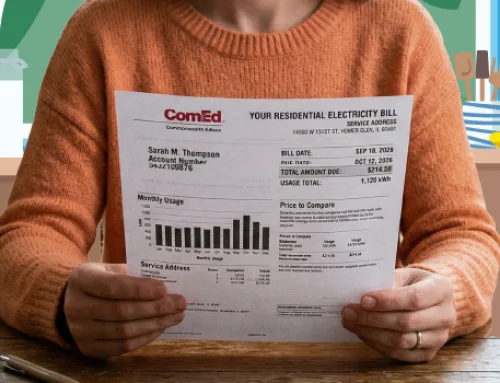
Your new plan can only start after your next meter-read date. You can find this date on your utility bill. Enrolling before this date might help your switch happen sooner.
Decide on a Fixed, Variable or Flat Plan Type
Before you make the move to switch, be sure to check out all your plan options. Suppliers often offer more competitive rates and plans to fit your lifestyle.
Here’s a quick breakdown of the most common types of energy plans offered by suppliers:
On a fixed-rate plan, your rate stays the same for the duration of your contract. On a variable plan, your rate can go up or down each month. On a flat-fee or Unlimited plan you’ll get the same supply charge no matter how much electricity or natural gas you use.
This can help you make sense of bill changes and decide if a steadier plan would be a better fit for your budget.
Look For Any Additional Fees
Not all plans have them, but some do. Check for monthly fees and early termination fees ahead of time to help you avoid surprises.
Make Sure Your Account Information Matches Your Utility Bill
Your name, address, and account number must be exact. Even small mistakes can delay your switch because the utility has to verify everything before approving it. So double-check your information is correct before submitting your enrollment.
See If You Are Part of a Community Energy Program
Some towns automatically enroll residents in community aggregation programs. If you are in one, you may need to opt out before switching.
Think About Your Usage Habits
If you use more electricity in summer or more gas in winter, switching before those high-usage seasons can help you lock in a plan that fits your needs when energy use is highest.
What You Need To Switch Your Energy Supplier
To switch your energy supplier, you only need a few basic details from your current utility bill.
- Your home address to confirm service availability in your area
- Your current plan so you can compare it with new offers
- Your annual energy usage or yearly cost to help choose the right plan for your home. Not required, but certainly helpful!
- Your electricity or gas supply UAN (the unique ID shown on your bill)
Gather this information before you enroll to help make your switch faster, smoother, and less likely to face delays.
How Switching Energy Suppliers Works
In deregulated states, switching energy suppliers is a process set up to protect you and make sure your energy always stays on. Here’s how switching your energy supplier works:
1. You choose a new supplier
This part is up to you if you’re in a deregulated energy market. You’ll have a lot of options to choose from, but it’s important that you choose a supplier that’s right for your lifestyle and energy needs.
We caution all our customers to look beyond the rate when choosing their energy supplier because sometimes cheap isn’t always best.
Once you’ve done your research and have chosen a supplier you like, you’ll have to enroll with them to get your energy. Most suppliers allow you to enroll online at their website with a few clicks. You’ll typically fill out your basic information, like your name, address, and your utility account number.
After you’ve submitted your enrollment, your energy supplier will typically take care of the rest!
2. Your new supplier sends your enrollment to your utility
After you sign up, your new supplier sends your information to your utility electronically. You don’t have to make any phone calls or fill out extra forms.
This communication confirms that you’ve requested a switch and ensures all details match your existing utility account.
At this stage, you usually don’t need to contact your utility or take any additional steps. The supplier and utility handle the coordination behind the scenes, which helps prevent errors and keeps the process moving smoothly.
3. Your utility reviews your account and schedules the switch
Once the utility receives your enrollment, they review your account to verify details like your service address and account number. If everything matches, they schedule your supplier change.
Most switches are timed to occur on your next meter-read date. Utilities use this timing because it aligns with billing cycles and ensures your charges are clearly separated between your previous supplier and your new one.
4. Your utility continues delivering your energy
At this step, nothing changes with your actual service. Your utility remains responsible for delivering electricity or natural gas to your home throughout the entire process. They continue maintaining the lines, reading your meter, responding to outages, and handling emergencies.
Because the delivery side of your service never changes, your power or gas is not shut off or interrupted during a supplier switch.
5. Your next bill will show your new supplier and rate
After the switch is complete, your next utility bill will list your new energy supplier and reflect your updated supply rate. This billing update is typically the only visible sign that a switch has occurred.
Keep in mind that your bill may only get one bill from your utility, but it will clearly show which supplier is providing your energy and how much you’re paying for supply.
If you ever have any questions, don’t hesitate to reach out to your supplier or utility company; that’s what they’re there for!
What To Expect While Switching Energy Suppliers
While your energy supplier switch is in progress, everything at home continues as normal. The process happens behind the scenes, with no service interruptions or extra steps required from you. Here’s what to expect during the switch of your energy supplier:
Initial Switch
After you enroll, your new supplier sends your information to your utility. The utility checks that your name, address, and account number match their records. Once confirmed, they schedule your switch for your next meter-read date. You may receive a letter or email confirming this.
Utility Confirmation
Some utilities may send a message confirming they received your enrollment. If anything needs to be corrected, the utility will let you know.
No Service Disruption
Your electricity or natural gas will stay on the entire time. Nothing changes in your home, and no technician needs to visit. Your utility still handles outages and emergencies. Switching suppliers does not affect your service.
Supplier Welcome Information
Once your enrollment has been processed, your new supplier may send a welcome email or letter with your plan details, new rate, and start date to help you know what to expect.
First Bill
The first bill after your meter-read date will show your new supplier’s name and your new supply rate. If the switch happens close to your billing day, you may see a mix of charges from your old supplier and your new one. This is normal.
No Need to Contact Your Previous Supplier
You do not have to cancel anything yourself. Once the utility completes the switch, your old supplier simply stops showing up on your bill.
What Happens After You Switch Your
Energy Supplier
Once your switch is complete, everything at home will feel the same. Your lights stay on, your gas still works, and your utility continues to handle any outages or emergencies. The only real change is what you see on your bill.
Here’s what happens after the switch officially starts:
Your New Supplier Appears on Your Bill
After your meter-read date, your next bill will list your new supplier and your new supply rate. This is the main sign that your switch is complete.
Your Old Supplier Disappears From Your Bill
Your previous supplier simply stops showing on your bill. You don’t need to reach out or cancel anything.
Your Energy Service Stays the Same
Your electricity or natural gas is still delivered by your utility. They continue reading your meter, fixing outages, and maintaining equipment. Only your supply rate changes.
Your New Plan Begins
Any benefits of your new plan, such as rewards, begin once the switch is active.
Your Payment Method Stays the Same
If your utility handles both delivery and supply billing, you’ll keep paying the same way you always have. If your utility uses dual billing, you may receive a second bill from your supplier.
You May Get a Confirmation Message
Some suppliers send a final welcome or confirmation message once your switch is complete. This usually includes your plan details and customer support information.
No Action Needed From You
Once the switch is active, there is nothing else you need to do. Just check your bill to make sure the new supplier and rate appear correctly.
Why Switch Energy Suppliers?
Switching energy suppliers gives residents more control over how they manage their monthly bills and the type of rate they lock in at. Many people switch to find a more predictable or stable price, especially if their current rate changes from month to month and makes budgeting difficult.
Others switch to avoid sudden price increases in the market or to choose environmentally friendly options that their utility may not offer. Life changes like working from home, welcoming a new family member, or moving to a different space can also affect how much energy you use, which might make switching to an energy supplier more attractive.
At its core, switching suppliers allows you to choose a plan that better fits your home today rather than staying on one that no longer matches your needs.
When done through a regulated process, switching is designed to be straightforward, seamless, and free of service interruptions.
Understanding why people switch helps explain why so many homeowners choose to explore their options when looking for more consistency and confidence in their energy bills.
When Should You Switch Your Energy Supplier?
There is no single perfect time to switch, but certain signs can help you know when it might make sense for your home:
- If your current plan feels unpredictable or confusing, it may be the right moment to explore your options with a different supplier.
- If your monthly bills keep changing and you want something steadier, switching can help you find a plan with a predictable supply charge.
- If you’re searching for a better rate, switching gives you the chance to compare plans and choose one that fits your budget.
- If you’re on your utility’s default plan and want more choices, such as renewable options or more predictable charges, a supplier may offer plans your utility does not.
These are only a few signs that it might be time for a change. If you want to learn more, check out our full list of signs that it may be time to switch your energy supplier.
How To Switch Energy Suppliers
Switching energy suppliers is a quick and simple process. Choose the supplier you want to switch to, pick a plan that fits your home and budget, and grab your utility account number from your latest bill. You can enroll online or by phone, and the entire process usually takes just a few minutes. Your new supplier then sends the request to your utility and takes care of the rest.
Want the full play-by-play of how switching works? Check out our complete step-by-step guide.
How Much Does It Cost To Switch Energy Suppliers?
Switching energy suppliers is usually free for homeowners in deregulated states like Ohio, Illinois, Pennsylvania, and Michigan. Your utility does not charge any fees to switch, and suppliers are not allowed to charge you for choosing them.
The only possible cost you might run into is an early termination fee, and that only applies if you leave your current contract before it ends.
This fee comes from your current supplier, not your utility, and some plans do not have one at all. For many people, switching energy suppliers costs nothing and is a simple way to choose a plan that better fits their home and budget.
What To Watch Out For When Switching Energy Suppliers
When switching energy suppliers, it helps to watch out for a few common mistakes so you don’t end up with confusion, extra fees, or a plan that doesn’t actually fit your home. Here’s what you should avoid when switching energy suppliers:
- Choosing a plan only because it shows the lowest advertised rate can lead to surprises if that rate is temporary or comes with conditions or added fees.
- Switching before your current contract ends may result in early termination fees, depending on your plan.
- Entering incorrect information during enrollment, such as the wrong name, address, or account number, can delay your switch.
- Assuming switching will automatically save money is not always accurate, since costs depend on your rate type, energy usage, and current plan.
Does Switching Your Energy Supplier Save Money?
Switching your energy supplier can help you manage your costs, but it does not automatically guarantee savings.
Whether you end up paying less depends on a few things: the rate you’re paying right now, how much energy your home uses, the time of year, and the type of plan you choose.
For example, if your current rate is higher than what’s being offered, switching may help you avoid future price increases.
The real value of switching is usually in the predictability, rate protection, and choice you get. Some homeowners and renters switch to a fixed-rate plan to avoid sudden price spikes. Others choose Unlimited Energy plans for peace of mind and predictable supply charges*, and some switch to get added rewards that the utility may not provide.
Switching doesn’t guarantee savings, but it does give you the power to choose a plan that fits your home, your habits, and your budget which many residents find just as important as the cost itself.
FAQs
Can I switch suppliers if I’m still under contract?
Yes, you can switch suppliers if you’re still under contract, but you may have to pay an early termination fee depending on the terms of your current plan.
Is there a fee for switching before my contract ends?
There’s a possible fee for switching before your contract ends. Only suppliers can charge early termination fees, and utilities do not charge switching fees.
Can I switch back if I don’t like my new supplier?
Yes, you can switch again at any time, as long as you follow your contract terms.
Will I get one bill or two after switching?
You will typically get one bill after switching suppliers, although some suppliers may bill separately.
What’s the difference between my utility and my supplier?
Your utility delivers the energy to your home and handles outages and billing. Your supplier is the company that provides the energy and sets your supply rate.
Can renters switch suppliers if the account is not in their name?
Renters can usually switch energy suppliers if the utility account is in their name and their lease doesn’t restrict it. If your landlord handles the utilities, you won’t be able to switch. When in doubt, double-check with your landlord to be sure.
Switching your energy supplier is a simple and safe process that happens mostly behind the scenes. Your utility handles the switch on your next billing cycle, and your electricity or gas continues to run normally the entire time. There are no outages, no technician visits, and no changes to how your home is powered. The only thing that changes is the supplier name and rate on your bill.
If you’re thinking about finding a plan that fits your home better, switching gives you more control, more predictability, and more choices. Want to explore your options? Take a look at available plans and see what feels right for your home.
* Restrictions apply. Enrollment based upon program eligibility. Customers using more than 125% of normal monthly usage as determined by Santanna may be required to switch plans.
Chris Tessler is a seasoned professional in the deregulated energy industry with over 15 years of experience. Throughout his career, he has honed his skills in commodity trading, risk management, and retail energy supplier operations. Chris has a passion for leveraging new technologies to address challenges at the intersection of the energy industry, carbon economy, and climate change, as well as finding innovative ways to promote healthy living and building strong communities in our modern urban environments.