

What’s the Difference Between Renewable and Nonrenewable Resources?

by Jenna Mendez
21.3 min read
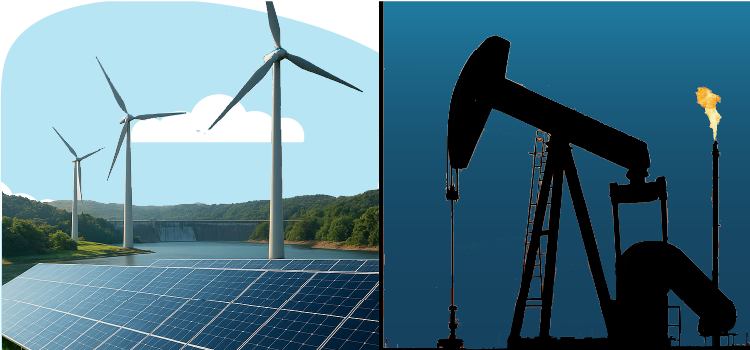
When people talk about renewable energy, it can feel distant or abstract. But renewable sources already play a real role in how homes across the Midwest are powered. In fact, states like Illinois, Ohio, and Pennsylvania use a growing mix of wind, solar, hydropower, and nuclear-backed grids to keep electricity reliable year-round.
So, what does renewable really mean, and how is it different from nonrenewable energy? And how can it benefit your home? If you have all these questions and more, we’d love to answer them for you. As an energy supplier with over 35 years of experience learning about electricity and natural gas of both renewable and nonrenewable capacities, we’re here to make it easy to understand.
This article focuses on how these resources are used to power homes today. For all you need to know about the difference between renewable and non-renewable energy, keep reading!
Key Points of This Article:
- Renewable resources mean replaceable, while nonrenewable resources mean not replaceable in our lifetime.
- Renewable energy sources like solar, wind, water, geothermal heat, and biomass come from natural processes that continue over time and help support long-term energy use.
- Nonrenewable energy sources like natural gas, coal, oil, and nuclear fuel provide steady, on-demand power that helps keep homes powered during high-demand periods.
What Is the Difference Between Renewable and Nonrenewable Resources?
The main difference between renewable and nonrenewable resources is how quickly they can be replaced after they’re used.
Renewable resources come from natural processes that happen all the time. Sunlight reaches the Earth every day, wind is created by moving air, and water is continually renewed through the natural water cycle. Because these processes never stop; this makes them renewable.
In contrast, nonrenewable resources form over millions of years. Fuels like coal, oil, and natural gas come from ancient plants and tiny organisms changed by heat and pressure over time, while nuclear energy relies on uranium, a mineral that also takes a very long time to form. Once these resources are used, they can’t be replaced in our lifetime and this makes them non-renewable.
An easy way to remember it is this: renewable means replaceable, while nonrenewable means not replaceable in our lifetime. That’s why homes use a mix of energy sources and why renewable energy continues to grow, even though the power you use looks the same at home.
What Are Renewable Resources?
Renewable resources are energy sources that naturally renew over time, so they don’t run out when they’re used. They come from ongoing natural processes like sunlight, wind, and flowing water.
Because these sources are continually replenished, renewable energy supports more sustainable energy use. Even without solar panels or special equipment, renewable energy can still be part of the electricity used in everyday life.
When lights are on, appliances are running, or a home stays comfortable throughout the day, some of that energy may come from renewable resources that are constantly renewed. That’s why renewable energy plays a growing role in how homes are powered today.
Common Examples of Renewable Energy Used to Generate Electricity
Homes can be powered by several types of renewable energy. Each option below uses a natural process that is continuously renewed, allowing electricity to be generated without permanently using up the resource. Here are some of the most common examples of renewable energy:
- Solar Energy: Solar energy is made when sunlight is captured and converted into electricity, and power can still be created on cloudy days, though output is typically higher in sunnier conditions.
- Wind Energy: Electricity is produced by converting moving air into power, and this source has grown quickly across the Midwest where open land and steady winds are common.
- Hydropower: Flowing or falling water turns turbines that supply electricity, making this one of the oldest renewable energy sources still in use today.
- Geothermal Energy: Heat from beneath the Earth’s surface is used to support electricity or heating needs, providing steady energy in areas where these resources are available.
- Biomass: Energy is produced from organic materials such as wood, crops, or waste, and while this source is renewable, it still involves combustion and emissions, which is why it is carefully managed.
What Are Nonrenewable Resources?
Nonrenewable resources come from energy sources that are limited and take millions of years to develop. Once they are used, they cannot be replaced within our lifetime. This group includes fossil fuels and uranium. These energy sources still play an important role in powering homes, especially for electricity and heating, because they can provide energy whenever it’s needed.
For example, when you turn on your furnace during a cold winter morning, take a hot shower, or cook dinner on a gas stove, you’re likely using energy that comes from nonrenewable resources.
These fuels are also used in power plants to generate electricity, which is then delivered through the shared electric grid to homes.
Because these nonrenewable sources are available around the clock and are easy to control, they help keep homes reliably powered, especially during high-demand periods or extreme weather.
Common Examples of Nonrenewable Energy
Nonrenewable energy comes from sources that take a very long time to form. Here are the most common examples of nonrenewable energy and how they are used today:
- Coal: Formed from ancient plants over millions of years, coal was once widely used to supply electricity but has declined as concerns about emissions and environmental impact have increased.
- Oil (petroleum): Oil is mainly used for transportation fuels and manufacturing rather than directly powering homes, but it remains one of the most widely used nonrenewable energy sources overall.
- Natural gas: Commonly used in homes for heating, hot water, and cooking, this fuel also supports electricity generation. In the Midwest, where winters are longer and colder, natural gas plays an especially important role in keeping homes warm. While it burns cleaner than coal, it is still limited in supply.
- Nuclear energy (uranium): Electricity is created using uranium fuel, allowing large amounts of power to be supplied with low emissions during operation. Because uranium is finite and takes a very long time to form, it is considered nonrenewable.
Key Differences Between Renewable and Nonrenewable Resources
| Feature | Renewable Resources | Nonrenewable Resources |
| Supply | Naturally replenished | Finite and limited |
| Formation Time | Days to years | Millions of years |
| Environmental Impact | Lower emissions overall | Higher emissions and extraction impacts |
| Cost Trends | Generally decreasing as technology improves | Can increase as resources become harder to extract |
| Sustainability | Long-term when managed properly | Short-term due to limited supply |
| Role in Today’s Energy Grid | Growing and expanding | Still provides a large share of power |
The bottom line is that renewable and nonrenewable resources are not an either-or choice. Today’s energy system relies on both, with renewable energy supporting long-term sustainability and nonrenewable energy providing reliable power.
Renewable and Nonrenewable Resources Advantages and Disadvantages
Renewable and nonrenewable resources each play a role in powering homes. Below, we break down the key pros and cons of each, so you can better understand how these energy sources impact your everyday home energy use.
Here are our picks for the top advantages and disadvantages of renewable and nonrenewable resources:
Advantages of Renewable Resources
Here are the main advantages of renewable resources:
Naturally Replenished
Renewable energy refill on their own, which helps support long-term energy availability for homes. For example, the sun shines every day, wind is generated by atmospheric movements, and water cycles through evaporation and precipitation. Because these processes never stop, renewable energy can provide a continuous supply without depleting the Earth’s resources.
Lower Emissions
Using these sources creates less air pollution, helping improve air quality in residential communities. Unlike fossil fuels, renewable energy sources do not require combustion, which means they produce little to no greenhouse gas emissions during operation which makes them highly efficient too!
Less Fuel Dependence
Because they do not rely on mined or shipped fuels, they reduce dependence on limited supplies. This not only lowers transportation and extraction costs but also minimizes the risks associated with fuel shortages or price fluctuations.
Growing in the Midwest
Renewable energy is increasingly used to help power homes across the Midwest as part of the shared electric grid. This growth helps diversify the energy mix, making electricity more sustainable!
Home-Ready
One of the biggest advantages of renewable energy is that homeowners can support it without making major changes to their homes. Renewable energy often enters the shared electric grid, meaning your lights, appliances, and heating systems can run on renewable power without new wiring or equipment.
Long-Term Sustainability
Using renewable energy helps reduce reliance on energy that cannot be replaced within a lifetime. By investing in technologies like solar panels, wind turbines, and hydropower systems, we ensure that future generations have access to reliable energy.
Disadvantages of Renewable Resources
Now that we’ve covered the advantages, let’s look at some of the limitations of renewable resources:
Weather Dependent
Renewable energy production can vary based on weather conditions, time of day, or season. For example, solar panels perform their best when the sun isn’t obstructed by clouds or trees. So, if you live in a wooded area or a region with little sunlight, your solar system might not work as efficiently as it should.
Limited During Peak Demand
Renewable resources may not always meet peak energy demand on their own during extreme heat or cold. For example, if you’re in an area of consistent dry heat and no wind, wind turbines could have a tough time generating electricity in your region.
Needs Backup Support
To keep electricity reliable, they often work alongside other energy sources. To keep electricity reliable, these sources often work alongside other energy options, such as natural gas or nuclear power, or use battery storage systems to fill gaps when renewable output is low.
Grid Dependent
Reliable use of renewable energy depends on proper grid infrastructure and long-term planning. For instance, if you have a solar panel system and during the day you don’t produce enough electricity to meet your home’s demand, you’ll have to pull from the grid to get the rest of the energy you need.
Availability Varies
Homeowners do not control when renewable energy is produced or how much is available at a given time.
Advantages of Nonrenewable Resources
Here are some of the key advantages of nonrenewable resources:
Available On Demand
Nonrenewable energy sources can provide power at any time, which helps keep electricity and heating steady throughout the day and night. They’re not weather demand like renewable resources, so, as long as they’re available and the grid is reliable, you’ll have power.
Reliable During High Use
Nonrenewable energy helps keep homes powered during extreme heat or cold, when energy use rises quickly and reliability matters most. Utilities plan for high demand seasons and ensure the grid is built to withstand a surge in energy use.
Established Systems
The infrastructure needed to deliver this energy is already built and widely used, which allows most homes to be served consistently.
Quick to Respond
Energy systems using nonrenewable resources can quickly increase output when demand rises because these sources are considered dispatchable, meaning grid operators can adjust their electricity production as needed.
Common in Everyday Home Use
Natural gas, in particular, is widely used in homes for heating, hot water, and cooking, making it a familiar and dependable energy source. This means things like appliances and homes often come build with gas lines to support the use of nonrenewable energy sources which makes purchasing decsions easier and less equipment to set up.
Disadvantages of Nonrenewable Resources
While nonrenewable resources offer reliability, they also come with limits that affect long-term energy planning and environmental impact:
Limited Supply
Nonrenewable resources take millions of years to form and cannot be replaced within a once they are used.
Higher Emissions
Extracting and using these fuels can create more pollution, which affects air quality and the environment.
Fuel Dependent
Energy supply depends on fuel availability, which can be disrupted by weather, transportation issues, or market changes.
Long-Term Concerns
Relying on nonrenewable resources raises questions about how long they will last and what will replace them in the future.
Needs System Changes Over Time
As these resources are gradually used up, energy systems must adjust and evolve to support future energy needs.
A Closer Look at the Types of Renewable Resources and Nonrenewable Resources
Let’s take a closer look at the energy sources that quietly power our homes every day. These are the ones behind our lights, heating, and appliances, even when we don’t think about them.
Below, you’ll find quick facts and pictures of renewable and nonrenewable resources to help you visualize how these energy sources work and why they matter for everyday life:
Solar Energy
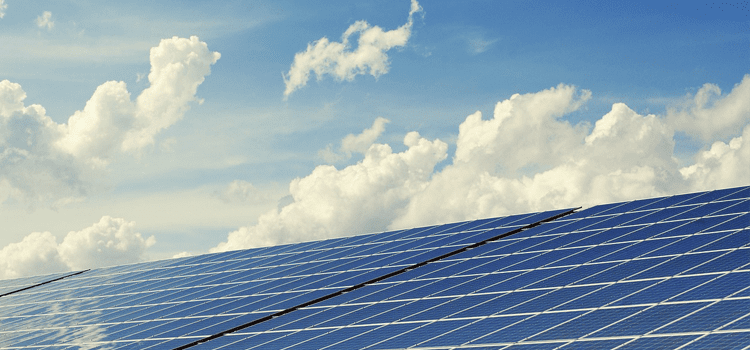
Solar energy comes from sunlight, which is collected and turned into electricity. Because the sun shines every day, this source doesn’t run out and can be used again and again. It’s also the most abundant energy resource on Earth.
In the United States, solar energy has grown quickly as technology has improved and costs have come down. According to The Wilderness Society, solar is expected to become the largest source of electricity-generating capacity on the U.S. grid by 2050.
Wind Energy
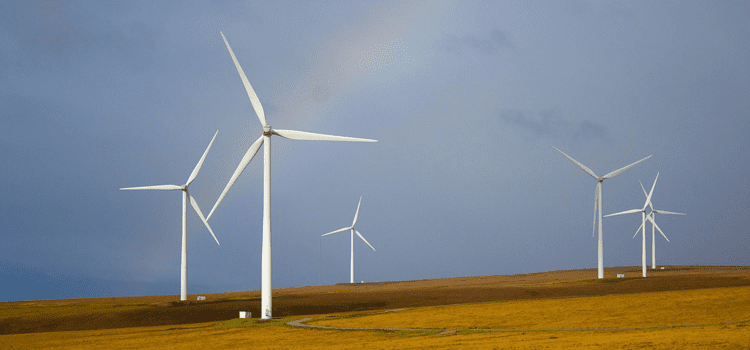
Wind energy comes from moving air that spins turbine blades and creates electricity. Because wind is always being renewed by natural weather patterns, it can be used again and again and added to the shared electric grid.
Taller turbines are built to reach stronger winds higher above the ground, which helps produce more power. Today, the United States has the second-largest amount of wind energy capacity in the world according to Energy.gov.
Hydropower
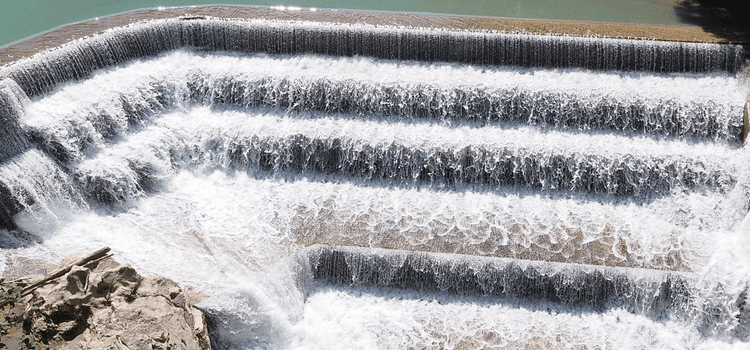
Hydropower uses flowing or falling water to generate electricity, and as long as the natural water cycle continues, it remains a renewable energy source. It is a reliable, versatile, and relatively low-cost source of clean electricity that also supports responsible water management.
Hydropower plays an important role in building secure, cleaner electricity systems, helping provide steady, dependable power for everyday home use as part of the shared electric grid.
Geothermal Energy
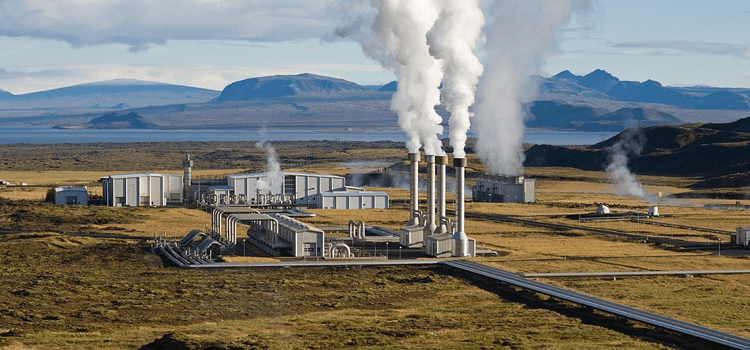
Geothermal energy comes from heat stored beneath the Earth’s surface, which is constantly being produced deep underground. Because that heat doesn’t run out, geothermal energy can be a very steady and reliable renewable resource in certain locations.
It can be used to generate electricity or used more directly to help with heating and cooling. When available, geothermal energy supports consistent energy use through the shared grid and can also contribute to comfortable indoor temperatures in everyday home life.
Biomass

Biomass energy comes from natural materials like wood, crops, and organic waste from plants and animals. It is considered renewable because these materials can be grown or replaced over time, even though biomass energy still involves burning them to create energy.
Biomass was one of the earliest energy sources used by people and continues to be used today, especially for heating and cooking in many parts of the world.
Coal
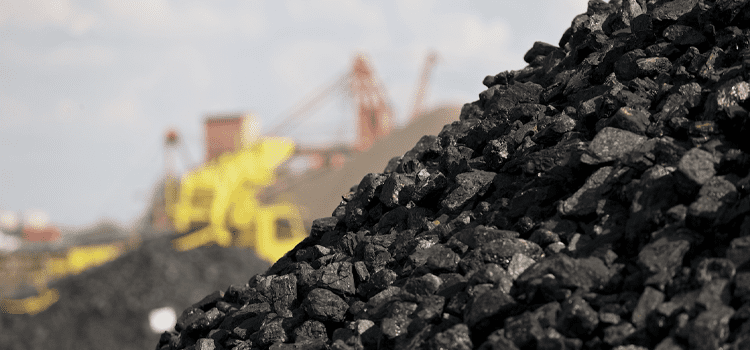
Coal is a fossil fuel formed from ancient plants over millions of years. Once it is burned for energy, it cannot be replaced in our lifetime, which is why coal is considered nonrenewable.
While the United States has large coal reserves, coal is used less today than in the past due to environmental concerns. Coal has historically helped supply electricity through the shared grid, but its role is gradually declining as cleaner energy sources become more common.
Natural Gas
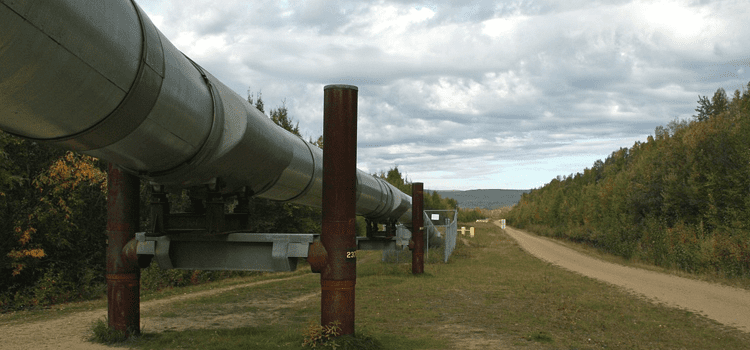
Natural gas is a fossil fuel widely used to generate electricity and heat homes. It is classified as nonrenewable because it forms over millions of years and is available in limited supply.
In the United States, natural gas is used primarily for electricity production and space heating, along with other household and industrial purposes. Data from the U.S. Energy Information Administration shows that about 45% of U.S. homes rely on natural gas as their main heating source.
Oil
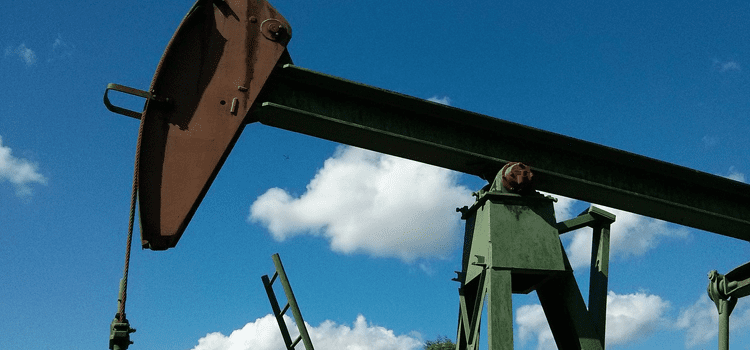
Oil, also known as petroleum, is a fossil fuel formed from ancient organisms over millions of years. It is widely used for transportation and manufacturing and is considered nonrenewable because it takes a very long time to form.
For some homes, oil is used as heating oil for space heating, which helps explain why oil still plays a role in meeting residential energy needs today.
Nuclear Energy
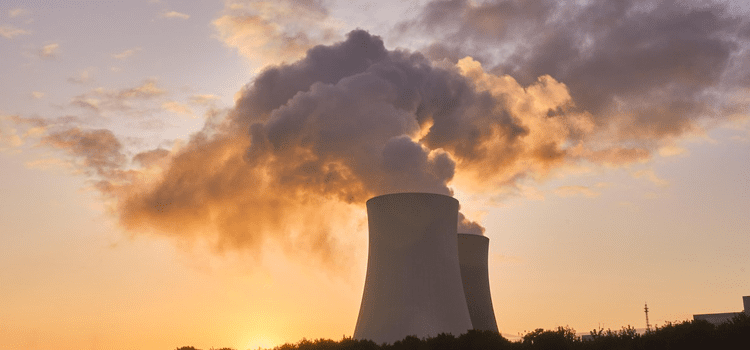
Nuclear energy generates electricity using uranium fuel. Although it produces large amounts of power with very low emissions, uranium is a limited resource, which is why nuclear energy is considered nonrenewable.
In the United States, nuclear power provides a steady and reliable source of electricity, generating hundreds of billions of kilowatt-hours each year. Nuclear energy helps supply consistent power to the shared electric grid, supporting reliable electricity for everyday home use, even during periods of high demand.
Is Water a Renewable Resource?
Yes, water is considered a renewable resource because it is naturally replenished through the water cycle. This cycle includes evaporation, condensation, and precipitation, allowing water to continually move through the environment and return to rivers, lakes, and underground sources.
However, being renewable does not mean water is unlimited. The amount of freshwater available for everyday use depends on factors like climate, location, and how much water is being used. During dry seasons or droughts, water supplies can become strained even though the natural cycle is still at work.
Water renews over time, but it still needs to be used thoughtfully. Clean, reliable freshwater depends on both natural processes and responsible management to remain available for homes, communities, and energy needs.
Is Solar a Renewable or Nonrenewable Resource?
Solar energy is a renewable resource that comes from sunlight, which is naturally renewed every day and does not run out when it is used. It is considered renewable because the energy comes from the sun, not from a fuel that can be used up. While solar panels are physical equipment that may wear over time, the sunlight they capture remains renewable.
Even without panels on a roof, solar energy can still be part of the electricity powering homes through the shared electric grid. Solar electricity flows through the grid just like other energy sources, helping support long-term energy use in a more sustainable way.
Environmental Impact of Renewable and Nonrenewable Resources
Energy comes from different sources, and each one affects the environment in its own way. Some sources create less pollution, while others leave a larger footprint. Below are some of the main environmental impacts associated with renewable and nonrenewable energy sources:
Impact of Renewable Resources
Renewable resources generally produce lower emissions because they don’t rely on burning fuels to generate energy. This helps reduce air pollution and greenhouse gas emissions compared to traditional fossil fuels.
That said, renewable energy still requires land and infrastructure. Equipment like panels, turbines, or water systems take space and materials to build and maintain. When planned and managed properly, renewable resources offer environmental benefits while supporting long-term energy use.
Impact of Nonrenewable Resources
Nonrenewable resources tend to produce higher emissions because they involve burning fuels or extracting materials from the Earth. This can contribute to air pollution and environmental impacts from mining or drilling.
Even so, nonrenewable resources still play a major role today because they provide steady, reliable energy that can be used anytime. This reliability helps keep homes powered during high-demand periods and extreme weather, which is why these resources remain part of the energy mix while renewable energy continues to grow.
How Do Renewable and Nonrenewable Resources Power Homes in the Midwest?
Homes in the Midwest are powered by a shared electric grid that uses a mix of renewable and nonrenewable energy sources. According to the U.S. Energy Information Administration, electricity is generated from many sources at once and delivered together through the grid. This simply means you don’t receive power from a single source, but from a blend designed to keep electricity reliable and available year-round.
The mix of energy sources varies by state, based on available resources, infrastructure, and long-term planning.
How Renewable and Nonrenewable Energy Power Homes in Illinois
Illinois relies heavily on nuclear energy, which supplies a large share of the state’s electricity. Because nuclear power runs continuously, it provides a stable foundation for the grid and supports consistent electricity throughout the year, including during hot summers and cold winters.
At the same time, wind and solar energy have expanded across Illinois, adding more renewable electricity to the system. Together, these sources create a balanced mix that combines steady power with growing renewable energy, helping support reliable electricity for homes across the state.
How Renewable and Nonrenewable Energy Power Homes in Ohio
Ohio’s electricity comes mainly from natural gas and coal. These energy sources are used to meet everyday electricity needs and to handle periods when demand rises, such as during extreme heat or cold.
For homes across Ohio, this means the energy system is designed to respond to changing conditions, helping support daily energy use and maintain comfort throughout the year.
How Renewable and Nonrenewable Energy Power Homes in Pennsylvania
Pennsylvania uses a mix of natural gas and nuclear energy to power homes across the state. Natural gas supports flexible electricity generation, while nuclear energy provides continuous power that does not depend on weather or time of day.
Together, these sources help Pennsylvania maintain a dependable energy system. Electricity is supplied through a mix designed to support reliability today while also allowing for long-term energy planning across the state.
Can Renewable and Nonrenewable Resources Work Together?
Renewable and nonrenewable resources can work together every day to power homes.
Most electricity comes from a mix of both. Nonrenewable sources, like natural gas or nuclear energy, provide steady power that can be used anytime. This helps keep electricity available during very hot summers or cold winters.
Renewable sources add cleaner energy when conditions allow. Sunlight, wind, and water help supply electricity when they are available, which reduces the need for fuels that can run out. Using both types together helps keep homes powered today while slowly adding more renewable energy over time.
How You Can Support Renewable Energy at Home Even Without Solar Panels?
A common misconception about renewable energy is that you need solar panels or special equipment at home to support it. In reality, you can choose renewable energy without changing anything about your home.
Renewable energy plans often support renewable generation through programs like Renewable Energy Credits (RECs), which help add more renewable energy to the overall system. For homeowners, this means you can support cleaner energy while continuing to receive reliable power, without making any changes to your home.
At Santanna Energy Services, our Earth-Friendly electricity and natural gas plans are designed to make that choice simple. We match 100% of your electricity usage with RECs sourced from renewable energy, allowing homeowners to support renewable generation while continuing to rely on the same grid and infrastructure they use every day.
Our Earth-Friendly natural gas plans support carbon offsetting, making up for our emissions here by reducing emissions elsewhere.
If you care about sustainability, Santanna also offers a tree-planting with every purchase of an Earth-Friendly plan, providing an additional way to support environmental efforts beyond everyday home energy use.*
You don’t need to install equipment or change how your home works. You can simply choose an option that aligns with your values and supports a more earth-friendly energy future.
FAQs
What Are Renewable Energy Credits (RECs)?
Renewable Energy Credits (RECs) allow homeowners to support renewable energy generation even if they cannot produce renewable energy at their own home. By using RECs, renewable electricity added to the grid can be matched to a household’s energy use.
Does renewable energy cost more?
No, renewable energy sources like solar and wind are now often more cost-effective than fossil fuels when building new power generation worldwide, according to Scientific American.
Can renewable energy prevent outages?
No, choosing renewable energy does not prevent outages because reliability is managed by the utility and grid operator, not the retail energy plan.
Understanding renewable and nonrenewable resources helps explain how homes are powered and why energy comes from a mix of sources. Renewable energy supports long-term sustainability, while nonrenewable energy helps keep power reliable for everyday home needs.
If supporting renewable energy matters to you, this can show up through your energy plan. At Santanna Energy Services, our Earth-Friendly Electricity Plan matches 100% of your electricity usage with Renewable Energy Credits (RECs) purchased from renewable sources. This supports cleaner energy without changing how electricity is delivered to your home. Explore this plan today!
* Santanna Energy Services (Santanna) works in partnership with One Tree Planted. For every residential Earth-Friendly Santanna gas or electricity initial enrollment or renewal, Santanna, via its One Tree Planted partnership, will plant trees after 60 days of billed usage. Plans may vary. See plan details for eligibility and current tree-planting promotions.
Jenna Mendez is a Midwest native with lifelong roots in Illinois and time spent in Ohio during college, giving her a deep understanding of the Midwest region’s people, climate, and energy needs. She brings firsthand experience and local insight to topics that matter to Midwest homeowners, especially energy efficiency, sustainability, and home living. Jenna specializes in writing about eco-friendly living, all things Midwest, renewable energy, and practical ways to reduce energy costs. Jenna brings a trusted, and local hometown voice to every article she writes, helping readers live well, and sustainably, right where they are.