

Signs of Termites in Your Home (And How They Affect Energy Efficiency)

by Jenna Mendez
25.3 min read
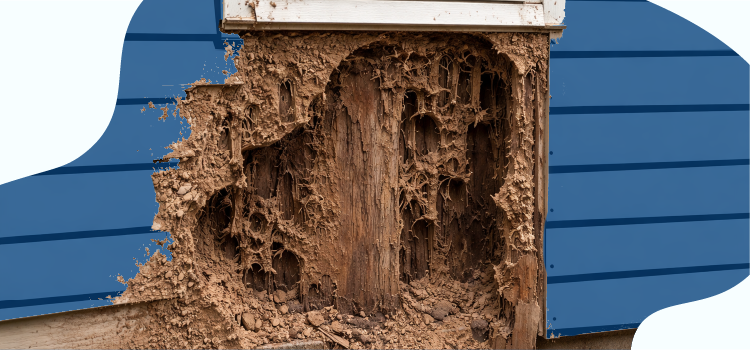
You might not see them, but termites could be quietly at work behind your walls, leaving damage that affects both your home’s structure and your energy bills. What starts as small signs like wood damage or mud tubes can quickly turn into bigger headaches.
Termites aren’t just a distant problem; they’re closer to home than you might think. In fact, we conducted a recent internal survey that found that 24% of our employee-owners have experienced termites in their homes. So, it’s more common than you might think.
In this guide, we’ll cover the most common signs of termite activity, how infestations impact your home’s comfort and efficiency, and what to do if you notice anything suspicious. Let’s take a closer look.
Key Points of This Article:
- Termites enter homes through small cracks and damp areas, feeding on wood and other cellulose materials, which weakens structures and reduces energy efficiency.
- Signs of termites in your home include warped wood floors, hollow-sounding wood, discarded wings near windows or doors, mud tubes along foundations, and bubbling paint on walls.
- Early detection and year-round prevention, such as fixing leaks, improving ventilation, and scheduling regular inspections, are essential to avoid costly repairs and protect your home’s comfort and energy efficiency.
What Is a Termite Infestation?
A termite infestation happens when a group of termites gets inside your home and starts eating anything made of wood or paper, like floors, walls, and even drywall. The U.S Environmental Protection Agency warns that termites cause billions of dollars in damage each year because they work quietly and nonstop, often without homeowners realizing it.
What makes termites a bigger problem than most pests is that they hide. They live inside walls, under floors, and around your foundation, so you usually don’t see them until the damage is already starting to show. By then, they may have been eating away at your home for months.
An infestation isn’t just termites eating wood. They can also make your home less comfortable and less energy-efficient by creating tiny gaps, weakening insulation, and allowing air to escape. Once you get a sense of how an infestation starts, it’s much easier to spot the early signs and take action before things get worse.
What Are the Most Common Signs of Termites in a Home?
The most common signs of termites in a home often appear as subtle changes because termites usually hide deep within walls, floors, and foundations.
What may look like minor wear and tear can actually be an early warning that termites are feeding behind the surface.
Below are the most common signs of termites in a home:
1. Warped or Blistering Wood Floors
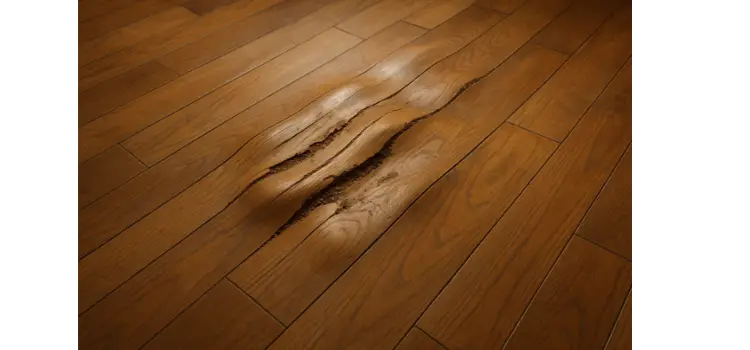
When wood floors start to look rippled, swollen, or blistered, it can be a sign that termites are working underneath. As they eat through the subfloor, they let moisture in, which makes the boards lift or change shape, similar to water damage.
Floors are especially attractive to termites because the space beneath them is dark, humid, and rarely disturbed. This type of environment is a termite’s favorite. You can prevent this by reducing moisture under the home, fixing leaks quickly, and improving ventilation in basements or crawlspaces.
2. Wood That Sounds Hollow When Tapped
Termites often eat the outer layer of your wood floors, which makes the rest of the uneaten wood weak and hollow. Termites are drawn to damp or warm areas of a home, so interior wood near bathrooms, basements, or kitchens is especially at risk.
Checking baseboards, trim, and framing from time to time, especially in spots with moisture, can help you notice these signs early before the damage gets worse.
3. Piles of Shed Wings Near Doors or Windows
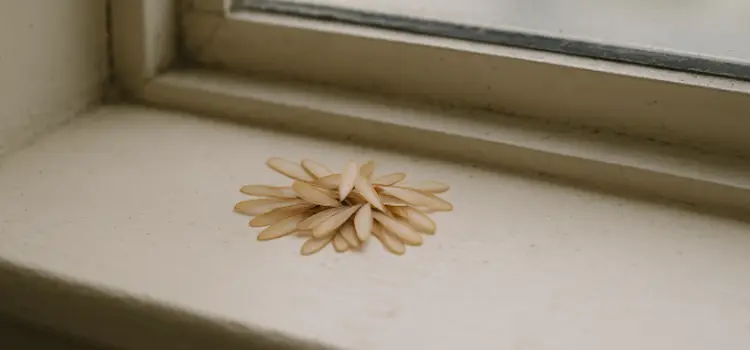
After termites swarm, they shed their wings in large numbers, often leaving small piles near windows, door frames, vents, and other entry points. The wings are usually thin, translucent, and light, almost like tiny fish scales.
Termites gather in these spots because they’re attracted to light and warmth while searching for a place to start a new colony. Sealing gaps around windows and doors can help keep them from getting inside your home.
4. Swarming Termites Indoors or Around the Home
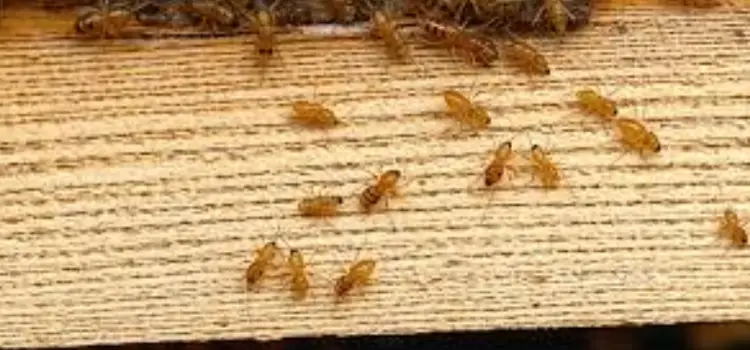
Seeing flying termites, also called swarmers, inside or just outside your home is one of the strongest signs that a termite colony is nearby. Swarmers usually show up in spring or early summer and often gather around lights.
When you see them, it means a mature colony is trying to grow and form new nests. You can help keep them out by reducing outdoor lighting near doors at night and sealing cracks around the exterior of your home.
5. Mud Tunnels Along Walls or Foundations
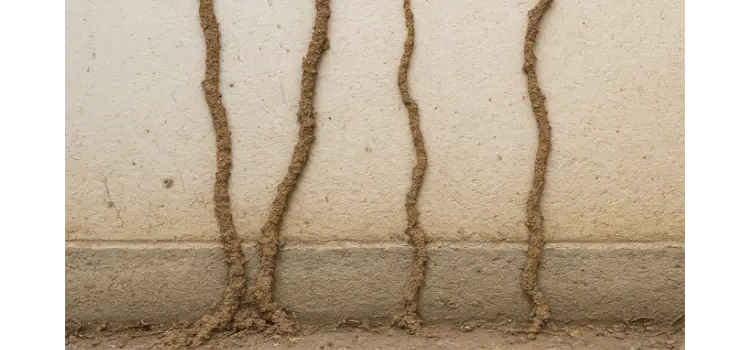
One of the most obvious signs of termites in your home is mud tubes. Mud tubes often appear along exterior walls, foundations, or pipes and look like thin, dried lines of mud. These tunnels serve as protected pathways for subterranean termites to move from the soil into your home while remaining moist and hidden.
Termites usually build these tubes where wood touches the ground or where small cracks give them a way in. You can lower the chances of mud tubes forming by keeping mulch and soil away from your siding, improving drainage around the home, and sealing any cracks in the foundation.
6. Pin-Sized Holes in Drywall or Trim

Tiny holes in drywall or wooden trim can be a sign that termites are pushing out frass, which is their droppings. These holes look like tiny pin pricks and may have small piles of fine dust or powder underneath them.
According to Orkin, termites go after drywall because the paper backing contains cellulose, which is an easy food source for them. You can help prevent this kind of damage by keeping interior walls dry and fixing plumbing leaks as soon as they appear.
7. Bubbling or Peeling Paint on Walls
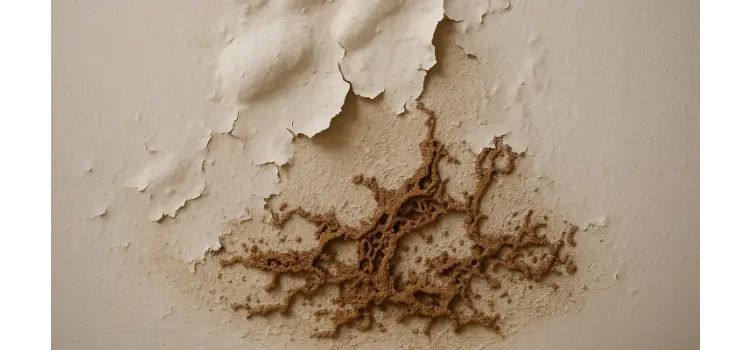
Paint that bubbles, flakes, or looks water-damaged can sometimes be a sign of termites hiding behind the wall. As they tunnel through the wood or drywall paper, termites create moisture pockets that cause the paint to lift or blister.
Termites thrive in areas with trapped humidity because it helps them survive, which makes walls with hidden moisture prime feeding grounds. Improving airflow in your home and fixing moisture issues early can help prevent this kind of damage from happening.
8. Soft or Sunken Drywall
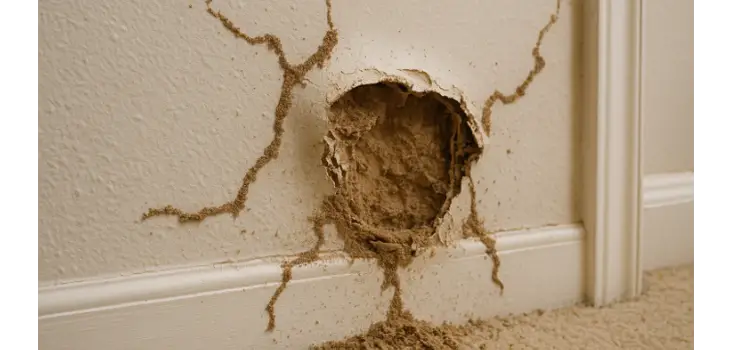
Drywall that feels soft when you press on it or starts to sag in certain spots can be a sign that termites are weakening the material behind the surface. The paper lining on drywall is full of cellulose, which makes it an easy food source for them.
Termites are especially drawn to wall cavities near plumbing, heating ducts, or damp basements where moisture builds up. We recommend keeping humidity low and fixing leaks as soon as they appear to prevent this kind of damage.
9. Squeaky, Loose, or Shifting Floors
If your floors suddenly squeak more than usual or tiles start to loosen, termites may be damaging the subfloor underneath. As they feed, termites weaken the joists and beams that support your flooring, which can make boards shift or feel unstable.
Subfloors are a common target because they’re sheltered, dark, and often damp. Improving airflow under your home and using a dehumidifier in crawlspaces can help make these areas less appealing to termites.
10. Maze-like Patterns Inside Wood
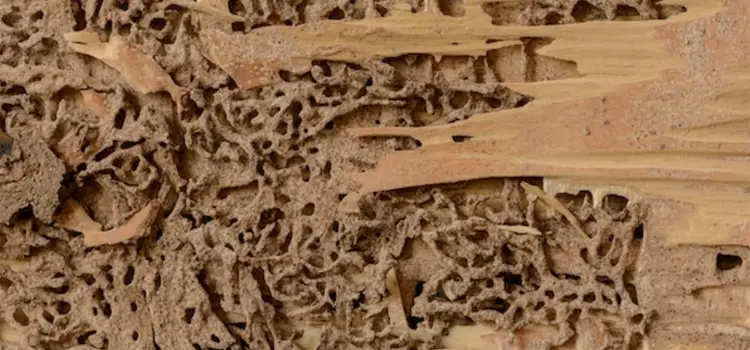
When termite-damaged wood is opened or exposed, you may see winding, maze-like tunnels carved throughout the interior. These tunnels are created as termites move through the wood to feed and build their colony, and they are some of the most common signs of termites in your home.
Termites favor soft, damp, or untreated wood because it’s easier to chew through. Keeping wood dry and choosing treated lumber for outdoor projects can make it harder for termites to establish a colony and cause this kind of damage.
11. Crumbling or Brittle Wood

Wood that breaks apart easily, almost like dried dirt or cardboard, is often heavily eaten by termites. When wood reaches this point, termites have consumed much of the interior structure, leaving it fragile.
Termites love soft or damp wood because it’s much easier for them to break down. Keeping wood sealed, painted, and lifted off the ground is an easy way to help protect your home from this kind of damage.
12. Musty or Damp Odors Indoors
A persistent musty or wet-wood smell in one area of your home can indicate termite activity. Their tunnels trap moisture, which can cause wood to decay and produce an odor similar to mildew.
Termites like these damp environments because moisture softens the wood, making it easier to eat. Increasing ventilation and fixing leaks can help eliminate the conditions termites love.
13. Odd Clicking or Rustling Sounds Inside Walls
If you notice faint clicking or rustling noises coming from inside your walls, they may be caused by termites moving or feeding within the wood. Walls provide a quiet, hidden space where termites can stay active without being seen, especially in areas with moisture or older wood.
If you hear unusual sounds behind your walls and can’t find another explanation, it’s worth having your home checked for termites.
14. Terrace-Like Grooves or Shavings on Wood Surfaces
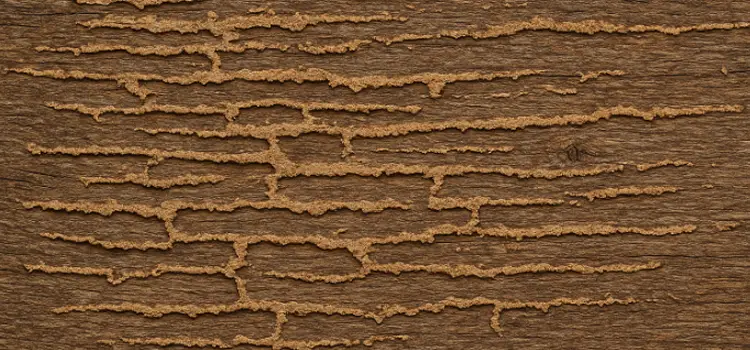
On exterior wood, like fences, decks, or sheds, you may notice thin grooves or layered marks where termites have grazed the surface. Termites often start feeding outdoors before making their way toward the home.
Wood that isn’t painted, sealed, or protected tends to absorb moisture, which makes it an easy target for them. Regularly sealing outdoor wood and keeping sprinklers pointed away from your siding can help prevent this kind of activity.
15. Damage to the Exterior of the Home
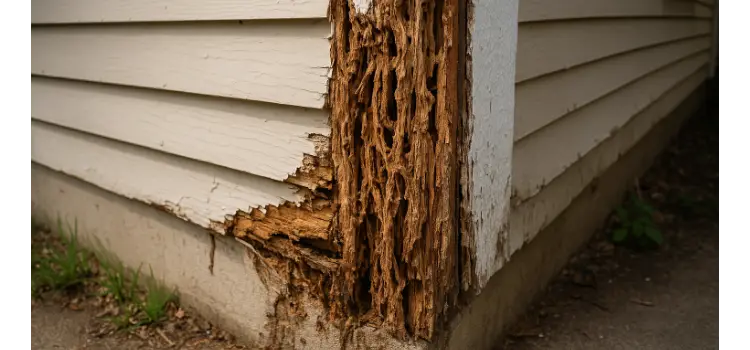
If you notice chewed or softened wood on siding, porch posts, or trim, termites may be getting in from the outside. They often begin feeding outdoors, especially in spots where wood touches soil or where moisture builds up.
Keeping mulch, soil, and wooden materials a few inches away from your foundation can help remove the conditions termites look for and make your home less inviting to them.
16. Live Termites Found During Remodeling
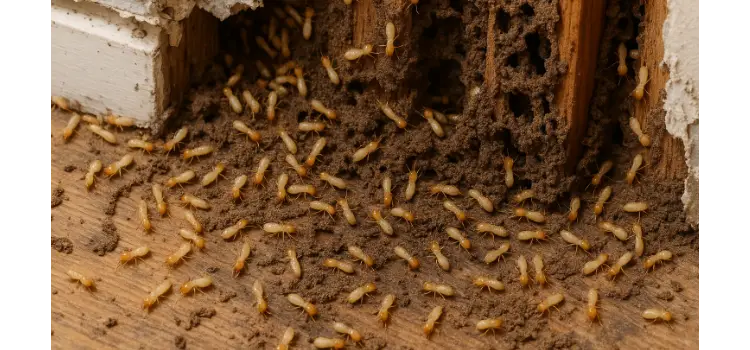
One of the most surprising signs of termites in your home is finding live termites when you open up walls, floors, or ceilings during a renovation. Since termites usually stay hidden, homeowners often don’t see them until the structure is cut open.
They thrive behind walls where they have warmth, moisture, and plenty of food without being disturbed. Getting regular termite inspections, especially before major home projects, can help uncover hidden colonies early and prevent bigger problems later.
What Termites Eat and How It Can Affect Your Home
Termites eat cellulose, a natural material found in wood and anything made from wood. This includes wooden framing, floors, drywall paper, cardboard, books, paper, and even some types of insulation. Outside your home, termites also feed on mulch, firewood, and tree stumps, which can draw them closer to your house.
Because so many parts of a home contain cellulose, termites can spread easily once they get inside. As they chew through wood and insulation, they create hollow spots, cracks, and openings that weaken the structure. This damage also affects energy efficiency because these gaps let warm or cool air escape, forcing your HVAC system to work harder and leading to higher energy bills.
Termites also add moisture to the places they damage. This can cause wood to stay damp or grow mold, affecting the air you breathe. Homes with people who have allergies or breathing issues are especially sensitive to this kind of moisture buildup.
How Do Termites Get Into Your Home?
Termites get into a home through small openings that are easy to overlook, especially in places that stay dark, damp, and hidden.
They often start at the foundation, where soil touches wood or where concrete has tiny cracks that allow them to slip inside. Once they find an entry point, termites move into crawlspaces, basements, and the lower parts of walls where moisture and darkness give them a safe place to feed.
They also enter through areas with water problems, such as leaking pipes, bathroom floors, laundry rooms, and places where moisture builds up.
In attics, they may come in through roof damage or vents and begin feeding on wooden beams or insulation if the humidity is high.
Outside, termites often begin in mulch, tree stumps, fence posts, or firewood stacked too close to the house, then travel into the home through nearby gaps.
All these locations provide termites with food, shelter, and moisture, which are the basic conditions they need to grow their colony. Keeping wood off the ground, fixing leaks quickly, improving drainage, and increasing airflow in basements and crawlspaces can make it much harder for termites to find a way in.
How Fast Can Termites Cause Damage?
Termites can start damaging your home much sooner than you might expect. Research from PestWorld shows that termites feed nonstop, 24 hours a day.
In the right conditions, they can cause noticeable damage in about 3 to 8 months, especially in warm or humid areas where they can stay active. A large colony of 60,000 termites can eat through a foot of a 2×4 piece of wood in roughly 5 months, which is faster than most homeowners realize.
The problem with termites is that they usually start causing damage where you can’t see it. They eat the inside of walls, floors, and beams, so signs often show up late. Subterranean termites, common in states like Ohio, Illinois, and Pennsylvania, can form huge colonies, and they can cause major damage within one to two years if they go unnoticed.
Because termites work quietly and continuously, early detection and regular inspections are the best protection against long-term damage.
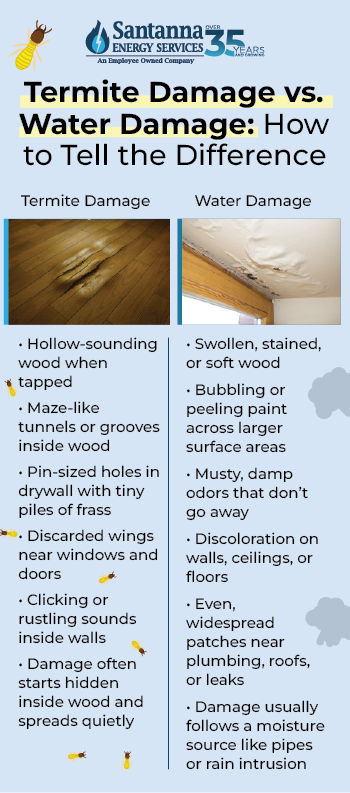
Termite Damage vs. Water Damage: How To Tell the Difference
You can tell termite damage from water damage by looking at how the wood changes and what signs appear around it. Water damage usually causes wood to swell, stain, or soften, and you might notice musty smells, peeling paint, or discoloration. It often shows up in larger, more even patches, especially near leaks, kitchens, bathrooms, or roof problems.
Termite damage looks different because it affects both the outside and the inside of the wood. When the wood is opened, you may see thin tunnels, maze-like patterns, or mud-filled tracks. You might also spot tiny holes in drywall, piles of droppings, or discarded wings, which never happen with water damage.
Water issues come from leaks or poor airflow, while termite issues come from an active colony feeding on cellulose. If you are unsure which one you are seeing, check for moisture and look closely for tunnels or frass to help you tell the difference.
How To Check for Termites
Checking your home for termites starts with looking in the places they are most likely to hide. Here’s a step-by-step guide on how you can check for termites in your home:
Step 1: Walk Around the Outside of Your Home
Look at your home’s foundation, siding, and lower walls. Check for mud tubes, cracks, or wood that looks damaged or soft. Pay attention to spots where soil touches wood, like steps, decks, or posts.
Step 2: Check the Ground and Yard Near the House
Look at mulch, tree stumps, fence posts, and firewood stacked near your home. Check for tunneling, hollow wood, or insects hiding underneath. If firewood is against the house, move it a few feet away.
Step 3: Inspect the Basement or Crawlspace
Use a flashlight and look at wooden beams, joists, and sill plates. Gently tap them with a screwdriver or your knuckles. If they sound hollow or crumble easily, that can be a warning sign.
Step 4: Look Around Windows, Doors, and Baseboards
Inside your home, check around window frames, door frames, and baseboards. Look for small holes, tiny piles of dust or droppings, discarded wings, or bubbling paint.
Step 5: Check Walls and Ceilings for Odd Changes
Walk through each room and look for bubbling or peeling paint, soft spots in drywall, or areas that look warped or sagging. Lightly press suspicious areas. If they feel soft or spongy, make a note.
Step 6: Listen for Unusual Noises
In a quiet room, place your ear near the walls or floors where you suspect activity. Sometimes, termites can create faint clicking or rustling sounds as they move and feed.
Step 7: Gently Probe Suspect Wood
Using a flat-head screwdriver, gently press into wood that looks damaged, cracked, or discolored. If it easily breaks, flakes, or feels very thin under the surface, it may be termite damage.
Step 8: Take Photos and Call a Professional if You’re Unsure
If you spot any mud tubes, wings, frass (droppings), hollow wood, or multiple warning signs, take pictures and contact a licensed termite professional. DIY checks are helpful, but a pro can confirm what you’re seeing and recommend next steps.
6 DIY Termite Treatments You Can Try at Home
If you’re one of the many homeowners who like to start with DIY solutions, these ideas may help slow activity or manage small early signs, but the safest and most reliable way to fully get rid of termites is to call a licensed professional:
Before You Start: Important Reminder
- Always read and follow the label on any product you use.
- Keep children and pets away from treated areas.
- If the damage looks serious or keeps coming back, call a pro right away.
Step 1: Look for Active Areas
Use a flashlight to check around your foundation, basement, crawlspace, and lower walls. Take note of any mud tubes, soft wood, droppings (frass), or discarded wings. This helps you focus your efforts where termites are most active.
Step 2: Reduce Moisture
Termites love damp places. Fix any leaky pipes, clogged gutters, or standing water near your home. Use a dehumidifier in damp basements or crawlspaces if needed. This alone can make your home less attractive to termites.
Step 3: Move Wood Away From the House
If you store firewood, cardboard boxes, lumber, or mulch right against your home, move them a few feet away. These materials can act like a “bridge” that helps termites move closer to your house.
Step 4: Use Bait Stations (If You Choose)
You can buy termite bait stations at many home improvement stores. These are placed in the soil around your home and are designed to attract termites. Follow the instructions on the package and check them regularly. Remember, these can help monitor and reduce activity, but they may not remove an entire colony.
Step 5: Spot-Treat Problem Areas
Some products, like foams or sprays labeled for termites, can be used on small, visible areas such as a piece of damaged wood or a mud tube on a wall. Only use products that specifically say they are for termite control and follow the label exactly.
Step 6: Keep Watching for Changes
After any DIY treatment, keep an eye on the same areas over the next few weeks. If you still see mud tubes, new damage, or more droppings, that usually means the colony is still active.
Disclaimer: DIY steps can help you buy time and control small issues, but they rarely reach the heart of the colony, especially if it is underground or deep inside walls.
If you notice spreading damage, sagging floors, multiple warning signs, or you are just unsure, it is safer and more cost-effective in the long run to call a professional termite company. They have tools and treatments that can reach areas you cannot access on your own and can help protect your home more completely.
What Kills Termites: Home Remedies
Home remedies that kill or slow termites usually work by drying them out, disturbing their moisture, or making the area less livable. When people look up home remedies for killing termites, they’re often hoping for simple steps they can try on their own to get a better sense of where termites are active. These methods won’t fix a full infestation, but they can help you understand what’s happening.
Here are the methods homeowners use most often to kill termites:
1. Vinegar
When mixed with water or lemon juice, vinegar can kill termites it directly contacts, but it cannot reach hidden colonies.
2. Dish Soap + Water
A dish soap and water mixture can break down a termite’s outer shell and kill it on contact, although it only works on termites that are already exposed.
3. Essential Oils (Orange Oil or Clove Oil)
Essential oils, such as orange or clove oil, can kill termites when applied directly, but they do not penetrate wood and cannot reach hidden colonies.
4. Borax (Sodium Borate)
Borax powder or a borax-and-water spray can kill termites if they walk through it or eat it. This method works better than most DIY remedies, but still won’t reach the main colony.
5. Boric Acid
Boric acid works similarly to borax and can kill termites by dehydrating them, although it only works when termites touch or consume it.
6. Salt + Warm Water
A salt and warm water mixture may kill termites through dehydration, but it cannot reach termites in hidden areas, such as inside walls or tunnels.
7. Wet Cardboard Trap
A wet cardboard trap can attract termites because of its cellulose. Homeowners sometimes wet cardboard to lure termites, then remove and discard it. This only catches a small number at a time.
8. Diatomaceous Earth (DE)
Diatomaceous earth powder can dry out and kill termites if they crawl through it, although it works only on exposed areas and not inside wood.
9. Heat or Sunlight Exposure
Termites cannot survive extreme heat or direct sunlight. Placing small, infested items outside on a hot day may help, but this cannot treat structural wood.
10. Nematodes (Beneficial Worms)
Some homeowners use nematodes in the soil to attack termites. This may help outdoors, but is not reliable for indoor colonies.
Safety Reminder: Use home remedies carefully and avoid applying them in areas where kids or pets play. If you suspect a larger infestation, a licensed professional is the safest option.
Why Year-Round Termite Prevention Is So Important
Year-round prevention is necessary because termites don’t stop working, even when you don’t see them. They eat wood all day and all night, which means damage can continue quietly for months before you notice anything.
Termites stay active inside walls and underground during every season, including winter, so they can keep harming your home without showing obvious signs. This is why waiting until spring or summer to check for termites can leave your home vulnerable for months.
Moisture problems, wood touching soil, and small cracks in your foundation can attract termites at any time of the year, not just during swarming season. Keeping up with prevention throughout the year helps reduce the chances of termites settling in, and it allows you to catch small issues before they turn into expensive repairs.
Early detection almost always costs less than fixing damaged floors, walls, insulation, or support beams after termites have been active for a long time. A little prevention goes a long way in protecting both your home and your budget.
How Termites Increase Your Home’s Energy Bills and Reduce Efficiency
Termites raise your energy bills by damaging the parts of your home that keep warm or cool air inside. When they chew through wood and insulation, they leave small openings that let air leak out. This makes your heating or cooling system run longer than it should, which increases your monthly energy costs.
Termites also bring moisture into the places they damage. In the Midwest, where humidity is common, this extra moisture makes insulation weaker and less effective. Poor insulation means rooms can feel drafty, uneven in temperature, or harder to heat and cool.
All of these small issues add up. Your home uses more energy, your bills climb, and repairs can become expensive if termites are left unchecked. Catching termite activity early helps protect your home’s comfort and keeps you from paying for energy that simply slips through the cracks.
How To Prevent Termites and Protect Your Home’s Energy Efficiency
A few simple habits can go a long way in keeping termites out and protecting your home’s insulation and energy efficiency. Here are the steps to prevent termites and avoid costly damage in your home:
1. Fix Leaks and Moisture Problems Quickly
Fixing leaks and moisture issues as soon as possible is important because damp wood and wet areas attract termites and make it easier for them to begin feeding.
2. Keep Gutters Clean and Direct Water Away from Your Home
Cleaning your gutters and making sure water drains away from the foundation helps prevent moisture buildup in areas where termites often enter.
3. Store Firewood and Mulch Away from the House
Keeping firewood, mulch, and wooden materials at least a few feet from your home helps reduce the risk because termites can travel through these items to reach the structure.
4. Seal Cracks and Gaps Around Your Home
Sealing cracks in the foundation and gaps around pipes, windows, and doors helps block termites from slipping inside through small openings.
5. Improve Airflow in Crawlspaces, Basements, and Attics
Improving ventilation in crawlspaces, basements, and attics keeps these areas dry, which makes them less appealing to termites that prefer dark and humid spaces.
6. Repair Damaged Screens, Vents, and Weatherstripping
Repairing torn screens, broken vents, or worn weatherstripping helps prevent flying termites and extra moisture from entering during swarming season.
7. Avoid Wood-To-Soil Contact
Keeping stairs, decks, fence posts, or siding from touching soil directly is important because soil-to-wood contact gives termites an easy path into your home.
8. Use Treated Wood for Outdoor Projects
Using treated wood for decks, fences, and other outdoor structures helps protect your home because termites are less likely to feed on treated lumber.
9. Schedule Regular Termite Inspections
Scheduling routine inspections with a licensed professional helps catch early activity before it becomes major structural or energy-efficiency damage.
10. Keep Insulation Dry and Well-Maintained
Keeping insulation dry and in good condition prevents termites from damaging it and helps your home hold warm or cool air more effectively.
Does Home Insurance Cover Termite Damage?
No, homeowners’ insurance usually does not cover termite damage. Most policies treat termite problems as a maintenance issue, so repairs caused directly by termites are not included.
There are a few rare exceptions. If termites cause another problem that is already covered by your policy, such as damaged wiring leading to a fire, the insurance may pay for the fire damage but not for the termite damage itself.
Since every policy is different, it is a good idea to review your plan or talk to your insurance agent so you know exactly what is and is not covered.
FAQs
Are termites common in the Midwest?
Yes. Subterranean termites are common throughout the Midwest, particularly in Ohio, Illinois, Pennsylvania, and Michigan, and especially in areas with older homes, moisture, and wood-to-soil contact.
Are termites dangerous to a home’s structure?
Yes. Subterranean termites can cause serious structural damage by eating wood from the inside out. The U.S Environmental Protection Agency reports they cause billions of dollars in damage each year, weakening floors, framing, and support beams.
What does termite damage smell like?
Termite damage often smells musty or moldy, similar to damp wood. University extension programs note this smell comes from moisture, decaying wood, and termite droppings inside the walls.
Why do termites shed their wings?
Termites shed their wings after swarming because they no longer need them. Once they land and pair up to start a new colony, the wings break off naturally, which is why homeowners find piles of wings near windows and doors.
Why do termites swarm?
Termites swarm to reproduce and start new colonies. Swarming typically happens once a year when conditions are warm and humid. It is a sign that a mature colony is nearby.
What is a termite mud tube?
A mud tube is a protective tunnel made of soil, wood particles, and saliva. Subterranean termites build these tubes to travel safely from the soil to your home while staying moist and hidden from predators.
What do termite droppings look like?
Termite droppings, called frass, look like tiny, dry, sand-like pellets. Drywood termite frass resembles small grains of coffee or pepper, but subterranean termites usually push out mud-like material instead.
What time of year are termites most active?
Termites are active all year, but swarming typically happens in spring and early summer, especially after warm rain. Even in winter, subterranean termites remain active underground or inside heated homes.
Termites are easy to overlook, but the impact they leave on your home isn’t. By paying attention to early signs, keeping moisture under control, and staying proactive with year-round prevention, you can protect your home’s structure, comfort, and long-term energy efficiency. Catching issues early doesn’t just prevent costly repairs but also keeps your heating and cooling system from working harder than it should.
Energy efficiency and comfort go hand in hand, and it helps to have an energy plan with a predictable supply charge. With Santanna’s Unlimited Energy Plan, your supply charge stays the same no matter how much electricity you use*, giving you one less thing to worry about while you keep your home protected. To see how it works, explore the Unlimited Energy Plan here.
* Restrictions apply. Enrollment based upon program eligibility. Customers using more than 125% of normal monthly usage as determined by Santanna may be required to switch plans.
Jenna Mendez is a Midwest native with lifelong roots in Illinois and time spent in Ohio during college, giving her a deep understanding of the Midwest region’s people, climate, and energy needs. She brings firsthand experience and local insight to topics that matter to Midwest homeowners, especially energy efficiency, sustainability, and home living. Jenna specializes in writing about eco-friendly living, all things Midwest, renewable energy, and practical ways to reduce energy costs. Jenna brings a trusted, and local hometown voice to every article she writes, helping readers live well, and sustainably, right where they are.