
What Is the Best Conductor of Electricity? (And Why Copper Wins at Home)

by Tyler Castle
15.2 min read
Have you ever tackled a new home electricity project and wondered, “what’s the best conductor of electricity?” You’re not alone. The materials inside your walls play a big role in how efficiently electricity flows, how safe your wiring is, and even how steady your monthly energy costs stay.
Understanding how metals conduct electricity helps you make smarter and safer home decisions when upgrading your space. In this blog, you’ll learn what makes a good conductor, which metals are ideal for home projects, and how to properly use them.
And don’t worry, with 35 years of experience in the electricity industry, we know what really works inside a home, what doesn’t. Let’s flip the switch on this topic and see what really keeps your home powered efficiently.
Key Points of This Article:
- Copper is the best conductor for home wiring because it offers high conductivity, durability, and cost efficiency, making it the most reliable choice for powering appliances and systems safely.
- Factors like wire thickness, temperature, corrosion, and installation quality significantly influence electrical conductivity and overall safety in home wiring.
- While other metals such as silver, gold, and aluminum can conduct electricity, they are either too expensive or require special handling, making copper the preferred option for most homes.
- Good conductivity improves energy efficiency and safety, but lowering energy bills also depends on smart usage habits and quality installation, not just the type of wiring material.
What Is a Conductor of Electricity?
Before we get into the nitty-gritty, let’s start with the basics. Every time you turn on a light, charge your phone, or run your washing machine, conductors are quietly doing the heavy lifting behind the scenes.
Conductors are the materials that let electricity flow freely so everything in your home powers up when you need it to.
In simple terms, a conductor is any material that allows electricity to move through it easily. When conductors are made from high-quality materials and installed correctly, your home runs more efficiently and safely. They help prevent overheating, reduce wasted energy, and keep everything from flickering lights to kitchen appliances working exactly as they should.
In short, conductors are the hidden heroes of your home’s electrical system, keeping your power steady, reliable, and ready at the flip of a switch.
Factors That Influence Electrical Conductivity
Electricity flows best when everything in your home’s wiring system is in good condition and properly matched to your electrical needs. When one factor is off (like using the wrong wire size or having corroded connections) electricity can’t move as efficiently, which can lead to higher energy use, flickering lights, or even safety risks. All of these factors can affect how your home wiring project goes.
Here’s what influences how efficiently electricity travels through your home:
1. Temperature and Heat Build-Up
The hotter a wire gets, the harder it is for electricity to move through it. Overheating often happens when a circuit carries too many appliances or draws more power than it should.
This extra heat can wear down insulation and increase fire risks. Keeping circuits balanced and wires cool with enough space to “breath” helps maintain smooth, safe electrical flow.
2. Corrosion, Dirt, and Impurities in Wiring
Dust, rust, and moisture can all interfere with how electricity moves. These contaminants create resistance, making it harder for current to pass through wires and connectors.
To keep your electricity conducting, choose clean, dry wiring that ensures electricity flows efficiently and helps prevent overheating, short circuits, or power loss over time.
3. Wire Thickness and Electrical Load
Wire size plays a major role in safety and performance. Thicker wires carry more current safely, while thinner wires can easily overheat if overloaded. Choosing the right wire gauge for each circuit ensures appliances get steady power without stressing the electrical system.
4. Type and Quality of Conductive Material
The composition and purity of the material used in wiring affect how easily electricity flows. High-quality conductors with fewer impurities and a consistent structure to allow energy to move with minimal resistance.
Poor-quality materials, on the other hand, like paper, plastics, and rubber, can degrade faster, heat up more easily, and reduce overall efficiency. Using certified, well-made conductors ensures your wiring remains dependable and long-lasting.
5. Connection Strength and Installation Quality
Even the best materials won’t perform well if connections are loose or poorly installed. Faulty wiring can create resistance, cause flickering lights, or trip breakers. Always hire a licensed electrician to ensure wiring and connections are properly secured and meet modern safety codes.
What Is the Best Conductor of Electricity?
Copper is the best conductor of electricity for homes, with a 100% conductivity rating according to the International Copper Association!
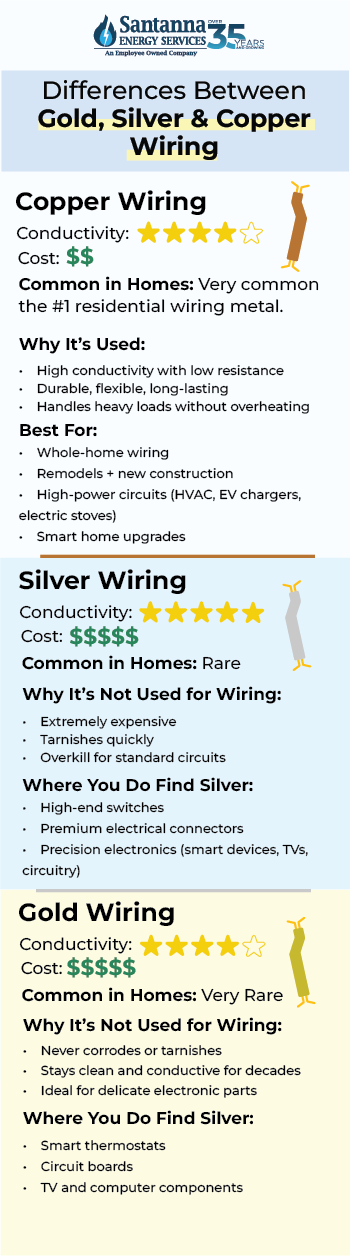
Copper wiring offers the ideal combination of high conductivity, strength, and cost efficiency, allowing electricity to flow smoothly with minimal resistance. Copper is also extremely versatile; it helps power everything from lighting to large appliances safely and efficiently.
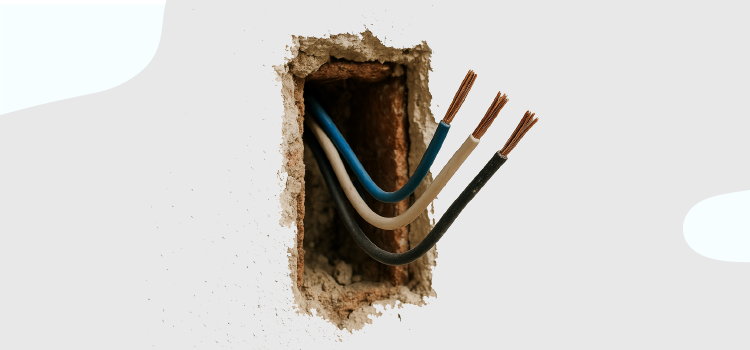
Likely inside your home’s walls, copper wiring is the most common conductors used in homes because of its high reliable conductivity. Think of it like this: wiring is like smooth, wide pipes for electricity. The smoother the path, the easier it is for energy to travel where it needs to go. And copper wiring is often the smoothest option out there.
Copper’s excellent conductivity can handle high electrical loads without overheating and maintains performance even after years of use. Because it’s both durable and flexible, electricians can easily install it in tight spaces, outlets, and wall systems, making it a preferred conductor of electricity for most modern homes.
Because it’s the best conductor of electricity, when you choose high-quality copper wiring, you help reduce wasted energy, keep voltage stable, and lower the risk of electrical problems like flickering lights or circuit overloads. Simply put, copper keeps your home powered efficiently and safely every single day.
Other Metals That Conduct Electricity in Homes
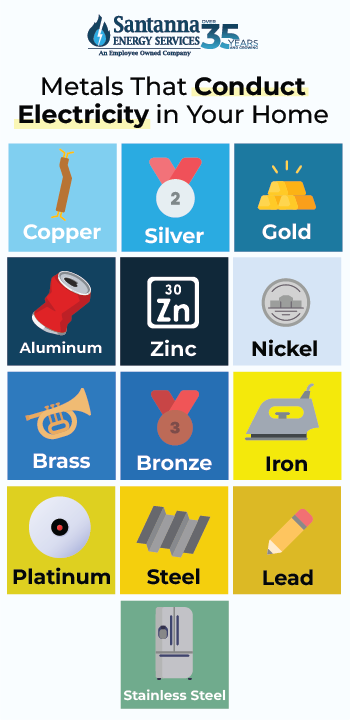
While copper is the top choice for wiring in almost every home, it’s not the only metal that conducts electricity. Many other metals play supporting roles in how power is delivered, distributed, and protected inside your home.
If you’re not sold on copper already, here’s how other metals contributes to keeping your home’s electricity running efficiently and safety and which one would be the best alternative choice to copper wiring:
Silver
Silver is the best most conductive metal on electricity on Earth, but it’s rarely used in homes because it’s expensive and tarnishes easily.
You might find small amounts of silver in high-end switches, connectors, or electronics, where precision and minimal energy loss are critical. In these cases, silver ensures smooth current flow, but it can be far too costly for standard home wiring.
Gold
Gold is another excellent conductor that’s highly resistant to corrosion. It doesn’t rust or tarnish, which makes it ideal for connectors and circuit boards in smart thermostats, TVs, and computers.
In home systems, gold is used only in small, high-precision parts that must stay clean and conductive for many years without maintenance. Gold is also considered an expensive option for home wiring, so be aware of the price tag if you’re considering this as an alternative to copper.
Aluminum
Aluminum is the second most common conductor found in residential wiring systems. It’s lightweight, affordable, and conducts electricity efficiently, which is why utilities use it in power lines and service entrance cables that bring electricity into homes.
However, aluminum expands and contracts with temperature changes. If not installed correctly, that movement can loosen connections over time. Modern electrical codes require special connectors and anti-oxidizing compounds to keep aluminum wiring safe and reliable when paired with copper systems.
If you’re looking for an alternative to copper wiring in your home, with the right installation and guidance, aluminum is a great second choice.
Zinc
Zinc doesn’t carry electricity directly but plays an important protective role in your electrical system.
It’s often used as a coating on steel or brass parts, like galvanized boxes, fasteners, and outdoor fixtures, to prevent rust and corrosion. This layer helps the metals underneath stay conductive and long-lasting, especially in damp or humid conditions.
Nickel
Nickel is a moderate conductor primarily used as a protective coating or plating on other metals rather than wiring. It resists oxidation and corrosion, which can weaken contact points over time.
In your home, nickel is commonly found on plug prongs, outlet contacts, and appliance connectors, where it keeps electrical connections stable and durable.
Brass
Brass, made from copper and zinc, offers good conductivity and strong corrosion resistance. It’s commonly used in light switches, outlet terminals, lamp sockets, and electrical connectors; areas that experience frequent use.
Brass doesn’t replace copper wiring, but it provides durable, long-lasting connections that help keep electricity flowing safely within fixtures.
Bronze
Bronze, a combination of copper and tin, is valued for its strength and stability. It’s often used in grounding clips, terminals, and outdoor components, especially in places exposed to moisture or fluctuating temperatures. Bronze ensures safe grounding and dependable performance, particularly in coastal or humid climates.
Iron
Iron conducts electricity but offers much higher resistance than copper or aluminum. Instead of wiring, it’s used in appliance parts, motor components, and electromagnetic cores, such as those found in transformers and doorbells.
Iron’s magnetic properties make it useful for creating motion or electromagnetic force, not for carrying household current.
Platinum
Platinum is a stable, corrosion-resistant conductor that performs well under high heat. It’s too costly for household wiring but is used in sensors, thermostats, and precision electronics where reliability and accuracy matter. Its ability to stay stable under pressure makes it ideal for small, high-performance components.
Steel
Steel is a poor conductor compared to copper or aluminum but plays a major supportive role in home electrical systems.
It’s used in conduits, electrical panels, and appliance frames to protect wiring and prevent damage. Steel also provides grounding and structural reinforcement, helping contain and direct current safely during electrical faults.
Lead
Lead has low conductivity but was once used in older cable sheathing, solder, and protective coverings due to its flexibility and corrosion resistance.
Because of health and safety concerns, lead has been replaced with safer materials in modern systems. If your home was built before the 1970s, an electrician can inspect for old lead-based components and update them for safety.
Stainless Steel
Stainless steel is prized for its strength and resistance to rust, not for conductivity. It’s often used in appliance finishes, outlet covers, and electrical enclosures (areas where protection, structure, and appearance matter more than electrical performance). Stainless steel helps shield and secure your home’s electrical components against moisture and physical damage.
When Would Need Copper or Wiring to Conduct Electricity in Your Home?
You rely on copper wiring more often than you might realize. Anytime your home uses or upgrades an electrical system, copper conductors are at the core of it. In fact, our recent survey found that one in three employee-owners have already upgraded their home wiring to keep up with modern electrical demands.
Here are a few times when you’ll need new or upgraded wiring in your home:
- Building or Remodeling: If you’re building a new home or updating an older one, electricians install copper wiring to safely connect outlets, lights, and appliances throughout the house.
- Replacing Old Wiring: Homes built decades ago may still have aluminum or worn wiring that can loosen or overheat. Upgrading to copper improves safety, reduces fire risk, and helps your electrical system run more efficiently.
- Adding High-Power Appliances: Installing new HVAC systems, electric stoves, water heaters, or EV chargers often means updating your wiring. Copper can handle heavy electrical loads without overheating or power drops.
- Expanding or Repairing Circuits: When you add outlets in garages, basements, or outdoor areas, new wiring ensures steady, reliable power and helps prevent overloads.
- Upgrading for Energy Efficiency or Smart Systems: If you’re investing in smart thermostats, home automation, or solar panel systems, your wiring may need an update to support advanced technologies. Copper wiring ensures these systems can communicate and deliver power effectively.
Which Metal Conducts Electricity the Least in Homes?
Stainless steel conducts electricity the least because it only contains about 18% chromium, a corrosion-resistant element that forms a protective surface layer, keeping stainless steel strong and rust-free. It’s widely valued for its strength, durability, and corrosion resistance, but those same qualities make it a poor electrical conductor.
Stainless steel is an alloy made primarily of iron, chromium, and nickel. These added elements create a protective surface layer that prevents rust, but they also make it harder for electricity to flow through. Because of this, stainless steel has a much higher electrical resistance than most other metals, meaning it allows very little current to pass through.
In homes, stainless steel is used mainly for appliance frames, outlet covers, switch plates, and electrical enclosures.
Is Water a Conductor of Electricity?
The short answer: No, and it depends on the kind of water.
Pure water—like distilled or deionized water used in labs—is actually an insulator, not a conductor. This means electricity can’t easily pass through it because pure water doesn’t have the charged particles, or ions, that electricity needs to move. However, pure water almost never exists in everyday life.
The water in your home, such as tap water, rainwater, or bathwater, contains minerals, salts, and other impurities that make it conductive. When these substances dissolve, they release ions (tiny charged particles) into the water. Once ions are present, electricity can travel through the water much more easily. That’s why water near outlets, cords, or appliances can be so dangerous; it provides a path for electricity to flow through anything it touches, including a person.
Even small amounts of salt or minerals dramatically increase conductivity. For example, saltwater conducts electricity far better than freshwater because it contains a higher concentration of dissolved ions. Interestingly, in extremely salty water like seawater, electricity sometimes takes the path of least resistance through the water itself rather than through a person, but this doesn’t make it safe.
In simple terms, pure water doesn’t conduct electricity, but the water we use every day absolutely does. That’s why it’s essential to keep electrical devices and outlets dry, especially in kitchens, bathrooms, and outdoor areas, and to use GFCI outlets that automatically shut off power when water is detected.
Why Conductivity Matters in Your Home
Good conductivity isn’t just about how electricity moves, it’s about how efficiently your entire home runs. When your wiring delivers power smoothly and consistently, every appliance performs the way it should. Your furnace fan stays steady, your refrigerator runs efficiently, and your lighting stays bright without flickering.
Better conductivity also means less energy wasted as heat, which helps keep your home’s electrical system cool and reduces wear on your wires and outlets over time. This efficiency doesn’t just improve safety, it can also lower your energy costs by helping electricity flow exactly where it needs to go, without resistance.
On the other hand, poor-quality materials or loose connections can slow the flow of current. This can lead to voltage drops, dimming lights, or even tripped breakers as your system works harder to keep up. Over time, that strain wastes energy and can shorten the lifespan of your appliances.
In short, conductivity is the hidden factor that keeps your home’s power reliable, your systems efficient, and your energy use as smart as possible.
Does Higher Conductivity of Electricity Always Mean Lower Energy Bills?
Materials with high conductivity, like copper, are more efficient because they allow electricity to move through your home’s wiring with very little resistance. That means less energy is lost as heat and more of the power you pay for reaches your lights, outlets, and appliances. In that sense, copper wiring does support a more energy-efficient and sustainable home system.
However, while copper’s efficiency helps minimize waste inside your walls, it doesn’t automatically lead to noticeably lower energy bills. What truly affects your costs is how much electricity your household uses.
Think of it this way: copper wiring provides the most efficient pathway for electricity to travel, but your daily energy habits determine how much power you actually consume.
Pairing good wiring with energy-smart practices like using LED lighting, unplugging devices when not in use, and upgrading to ENERGY STAR appliances, delivers the best results for both your wallet and the planet.
FAQs
Can non-metals conduct electricity?
Most non-metals do not conduct electricity because they lack free-moving electrons, which are needed for current to flow. Materials like rubber, glass, and plastic are common insulators used in homes for this reason, they block electricity and keep wiring safe to handle.
Does wire thickness affect conductivity and safety?
Yes, the thickness (or gauge) of a wire significantly affects how much current it can carry safely and how efficiently it conducts. Thicker wires have a larger cross-section, meaning lower resistance and less heating.
Every conductor in your home, from the copper wiring in your walls to the aluminum lines that bring power from the grid, works together to keep electricity flowing safely and efficiently. Choosing quality materials, maintaining connections, and understanding how conductivity works all help ensure your home uses energy the way it’s meant to: reliably and efficiently.
And just like a good conductor keeps electricity flowing without waste, the right energy plan keeps your household running smoothly without surprises on your bill. With Santanna’s Unlimited Energy plan, your supply charge won’t change no matter how much electricity you use*.
If you want a plan that’s as dependable as the wiring behind your walls, explore Santanna’s Unlimited Energy Plan today and keep your energy flowing smoothly, season after season.
* Restrictions apply. Enrollment based upon program eligibility. Customers using more than 125% of normal monthly usage as determined by Santanna may be required to switch plans.
Tyler is an experienced energy professional, having worked for Santanna Energy Services, for the past four years. He is passionate about renewable energy and believes that diversifying the energy grid is the key to a sustainable future. Tyler is dedicated to supplying consumers with the best possible energy solutions and works diligently to make sure that Santanna can deliver the highest quality service.