
Who Supplies My Energy? How To Find Out

by Tyler Castle
13.8 min read

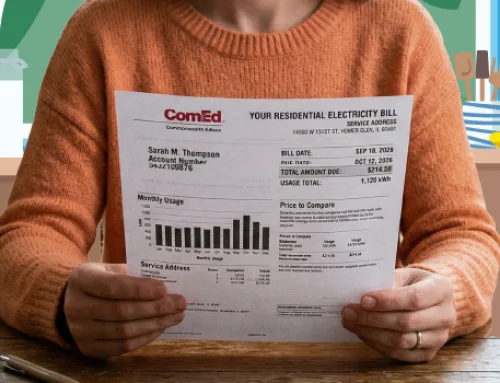
Have you ever looked at your energy bill and wondered, "Wait… who supplies my energy?"
Many homeowners assume the company listed at the top of the bill supplies their electricity or natural gas, delivers it to their home, and sets the price all in one. But depending on which energy market you live in, that is not fully accurate. It all comes down to where you live and whether you have the choice to choose your energy supplier.
If you've ever wondered who is your electricity supplier, you're not alone.
At Santanna Energy Services, we bring more than 35 years of experience serving the Midwest, and we hear these questions about suppliers often from customers across the region.
If you're curious to find out who your supplier is, we'll walk you through how the process of finding out who supplies your energy and what is happening behind the scenes, so the idea of knowing who your supplier is feels much more straightforward.
Key Points of This Article:
- In many areas, your energy supplier is the company that sets the electricity or natural gas supply rate on your bill, while your utility is responsible for delivering the energy, maintaining equipment, and handling outages.
- Knowing who your energy supplier is helps explain bill changes, prevents confusion over unfamiliar company names, and makes it easier to compare plans with confidence.
- You can find out who supplies your energy by checking the supply section of your bill, logging into your utility account, searching enrollment emails, or contacting your utility directly.
Who Is My Electricity Supplier?
Your electricity supplier is the company that provides the supply portion of your electricity service. In simple terms, it is the company that sets the supply rate you pay, and the plan terms tied to that rate.
Your utility company is different. Your utility delivers the electricity to your home through the local poles, wires, and meters. They maintain the equipment, read your meter, and handle outages.
Only certain parts of the U.S. in deregulated energy markets have the choice to choose an energy supplier.
Why Do Some Homeowners Have a Choice of Supplier and Others Don't?
Some homeowners can choose their energy supplier because they live in a deregulated energy market, which allows for increased competition between suppliers and utility companies.
So, if you've ever thought, "Who is my electricity supplier?", where you live plays a big factor. Those who live in a regulated energy market have the utility to handle both supply and delivery of their energy without a choice for a supplier.
In the Midwest states we serve, like Ohio, Pennsylvania, Illinois, and some parts of Michigan and Indiana, many areas operate under deregulated markets. This means homeowners may choose a supplier for the supply portion of their bill, while the local utility continues to deliver electricity and maintain the system.
The goal of energy deregulation is to give customers more options on how their energy is supplied and to offer more energy plan options.
This means if you move into a new home, it's totally possible you could get your energy from a third-party energy supplier without knowing it.
Supplier choice depends on utility territories and local rules, so your neighbor might be able to choose while you cannot.
Why Knowing Who Your Energy Supplier Is Matters
Knowing who supplies your energy matters because it gives you clarity and helps you understand where your energy comes from, why your bill changes, and what choices you have when it comes to control of your energy supply.
A lot of homeowners think the utility company listed on the bill is automatically the one setting the price, but in many parts of the U.S., that is not always true. Your utility usually delivers the electricity, but a separate supplier may be the one providing the supply rate you pay, depending on which energy direction you choose.
Understanding who your electricity supplier is also helps you pinpoint the cause of any sudden bill increases. If your usage stayed about the same, a higher charge may be tied to your supply rate coming from your energy supplier. With the right information, a confusing spike becomes something you can confirm rather than worry about.
It also eliminates unnecessary fear. An unfamiliar company name on your bill can look suspicious but knowing who is supposed to be on your monthly bill each month and why can help you determine whether everything is legitimate.
Finally, knowing your supplier helps you make confident decisions. When you understand the plan you're on, comparing future options becomes easier and less stressful. Instead of guessing, you're choosing from a place of clarity.
How to Find Out Who My Energy Supplier Is
If you are not sure who supplies your energy, you can usually find out in just a few minutes and with a few easy steps. If you're looking to find out who your electricity supplier is, the easiest place to start is your bill:
Step 1: Check Your Bill for the Supply Section
Take a close look at your bill and search for sections that are labeled with something like "Supply Charges," "Electric Generation Supplier," "Supply Details," or "Supplier Name." This is where your supplier is typically listed.
Step 2: Find the Key Details
If the headline for your supplier isn't abundantly clear, in that same area, look for three things: the supplier's name, the rate per kWh for electricity, or per therm for natural gas, and the plan type or plan name.
Usually, the name, rate, and plan type are a dead giveaway, giving you key details about who your electricity supplier is.
Step 3: Log Into Your Utility Account
If you're still looking to find out who your energy supplier is, many utilities show your current supplier inside your online account, even if the bill is confusing. This is a quick way to confirm the supplier's name without guessing.
Step 4: Search Your Email for Confirmation Messages
If you enrolled with a supplier before, you may have an enrollment or renewal email. Try searching your inbox for words like "enrollment," "confirmation," "welcome," "renewal," or the supplier name you see on your bill.
Step 5: If You Are Still Unsure, Call Your Utility
If something does not match or you cannot find the supplier name clearly, your utility can confirm who your current supplier is. This is especially helpful if you are worried that the supplier name looks unfamiliar.
How Does My Choice of Supplier Impact My Energy Bill?
Your choice of supplier only impacts your energy bill by shaping the supply portion of your energy bill. The supplier sets your supply rate and determines the pricing structure and competitive energy plan behind it.
But having an energy supplier does not affect delivery charges. Your utility still delivers electricity or natural gas to your home, maintains the lines and meters, and handles outages. Delivery charges are regulated and listed separately on your bill, and they do not change when you switch suppliers unless you switch to a whole new utility area entirely.
Knowing who your supplier is makes it much easier to understand changes on your bill. When you know who supplies your energy and how your plan works, you can quickly spot what caused the change, removing the guesswork and giving you more control over your bill.
Why Might I Have a Supplier I Don't Recognize?
An unfamiliar supplier name does not automatically mean something is wrong. Seeing a new name on your bill can still feel unsettling, so here are the most common reasons it happens:
- You enrolled a long time ago and forgot. If it has been a few years, it is easy to forget the supplier name, especially if your service has worked normally. Many homeowners only notice the supplier line when a bill changes or a renewal comes up.
- You are part of a community or municipal aggregation program. In some cities or towns, groups of residents are enrolled together through a community program. In this case, local governments negotiate energy supply on behalf of residents as a group.
Instead of each homeowner choosing an individual supplier, the community enrolls eligible residents into a bulk‑rate energy plan designed to secure competitive pricing. This means many people become enrolled without actively signing up themselves.
- You recently moved into a new home. If you moved, the previous homeowner's supplier arrangement does not automatically follow you. Depending on how service was set up, you may have been enrolled with a default supplier, the utility's standard offer, or a previously selected supplier. That can make the name look unfamiliar.
If you are seeing a supplier name you do not recognize, take a breath. In most cases, there is a simple explanation behind it.
If you ever feel unsure about the supplier listed on your bill, start by checking your bill and your utility's online portal. If you still have questions, call your utility using the number printed on your bill. It is always safer to verify information directly rather than relying on a random phone call, unexpected text, or someone showing up at your door.
What Happens to My Energy Supplier When I Move?
When you move, your energy supplier usually does not automatically transfer to your new address.
Energy service is tied to the property, not just the person. That means your old supply plan does not simply follow you to your next home.
When you move to a new address, a few common things can happen:
- The home may be enrolled in the utility's default supply service.
- The previous resident's supplier does not carry over to you.
- If you live in a deregulated area, you may need to actively choose a supplier for your new address.
Even if you were happy with your previous plan, you typically need to enroll again for your new home.
This is also why some homeowners notice an unfamiliar supplier name after moving. If no supplier is selected, the account may default to the utility's standard offer service.
In Midwest states like Ohio, Pennsylvania, Illinois, and parts of Michigan and Indiana where supplier choice exists, moving simply gives you an opportunity to review your options again. It is not a problem. It is just a reset point.
If you are moving, it helps to:
- Confirm who currently supplies the new address
- Check whether the area allows supplier choice
- Review plan options before your first full billing cycle
Understanding this ahead of time can help prevent surprises on your first bill in your new home and give you more confidence as you settle in.
What Types of Plans Do Energy Suppliers Offer?
If you're not yet enrolled with a supplier, now is a great time to explore your options in your deregulated energy market! Competitive energy suppliers frequently offer some of the most advantageous plan structures on the market.
Here are the most common types of plans offered by an energy supplier:
Unlimited Energy Plan
With an Unlimited Energy plan, your supply charge stays predictable during your plan term, regardless of your usage.* There are no sudden rate shifts in the supply charge on your bill.
To picture how that feels in everyday life, think about a high usage season: It is the middle of summer, and your air conditioner is running most of the day. Your usage increases because of the heat.
But your supply charge structure remains steady, so you are not also dealing with a changing rate on top of higher usage. That consistency can make peak seasons feel more manageable making budgeting for energy costs a little more predictable.
Fixed-Rate Plan
With a Fixed-Rate plan, the rate you pay per kilowatt-hour or therm stays the same for the length of your agreement. If market prices fluctuate and energy rates increase, your rate on a fixed-rate plan remains the same.
Here is what that can look like during colder months: It is January and your heating system is running more often. Your total bill may rise because you used more electricity, but the rate you pay per kilowatt-hour or therm stays exactly the same from the first month to the last month of your term. You know what to expect from the rate itself, even if your usage changes.
Variable-Rate Plan
With a variable-rate plan, the price per kilowatt-hour or therm can change from month to month based on market conditions.
This means your total bill can change from one month to the next without a major change in your usage.
This is where month-to-month differences can show up, even if your habits stay the same: Your electricity usage in April and May looks almost identical. But if market prices increase, because you're on a variable-rate plan, the rate you pay for energy could increase too, even though your usage stayed the same. That can make your bill feel less predictable and it can be hard to anticipate what your monthly bill will be each month.
Earth-Friendly Plan
An Earth-Friendly plan supports renewable energy! If you choose a Santanna Earth-Friendly electricity plan, your usage is matched with renewable energy credits, supporting renewable sources like wind or solar. For natural gas, your usage is matched with carbon offsets.
No matter which plan you choose, the key point is simple. Your supplier choice affects your supply rate and plan structure. Your utility delivery charges and service reliability stay the same.
What Actually Stays the Same When You Switch Energy Suppliers?
When you switch energy suppliers, your utility company, service reliability, outage response, and delivery service all stay the same.
Your local utility continues to own and maintain the poles, wires, meters, and pipelines. They still deliver electricity or natural gas to your home. They still respond to outages and emergencies. They still read your meter and send your bill.
Switching suppliers does not mean a different company shows up during a storm. It does not change who maintains the infrastructure in your neighborhood. It does not affect the reliability of the electricity or natural gas flowing to your home.
The only thing that changes is the company providing the supply portion of your energy and the pricing structure tied to that supply.
Electricity still flows through the same shared grid. The same utility crews respond if there is severe weather. The same outage number is the one you call.
At Santanna Energy Services, we make sure customers understand this clearly. Choosing a supplier is about selecting a supply plan that fits your household. It does not change the safety, reliability, or physical delivery of your energy.
In simple terms, switching suppliers changes your pricing structure, and access to customer rewards, loyalty perks, renewable energy choices, and enhanced customer service!
FAQs
Can I choose or change who supplies my energy?
Yes, if you live in a deregulated area, you can usually choose a competitive supplier for the supply portion of your bill, while your utility still delivers the electricity. Choice depends on your utility territory.
Will switching suppliers affect my power reliability?
No. Your utility remains responsible for outages, emergency service, and maintaining the lines and equipment. Reliability does not change just because you chose a different supplier.
Why did my electricity rate increase suddenly?
A sudden increase can happen if your plan moved from a fixed rate to a variable rate after the term ended, if your variable rate changed with market conditions, or if you took no action after renewal notices and your price shifted under new terms.
Now that you know how to find out who your energy supplier is, the hard part is over! Understanding who supplies your energy gives you a clear view of how your bill is structured and why your costs change. For Midwest homeowners, this clarity matters. When you know who supplies your energy, you can quickly identify whether a higher bill came from increased usage, regulated delivery charges, or a change in your supply rate.
Instead of guessing, you're able to pinpoint the source and take action if needed.
If predictability matters to you, it can be worth exploring plan options designed for predictable supply charges. Santanna's Unlimited Energy plan is one option that can help avoid surprises during high usage months* and make budgeting feel easier, so you can choose what fits your household when you are ready.
* Restrictions apply. Enrollment based upon program eligibility. Customers using more than 125% of normal monthly usage as determined by Santanna may be required to switch plans.
Tyler is an experienced energy professional, having worked for Santanna Energy Services, for the past four years. He is passionate about renewable energy and believes that diversifying the energy grid is the key to a sustainable future. Tyler is dedicated to supplying consumers with the best possible energy solutions and works diligently to make sure that Santanna can deliver the highest quality service.