
Will a Gas Furnace Work Without Electricity?

by Jenna Mendez
Updated: October 9, 2026
7.9 min read
Key Points of This Article:
- Most modern gas furnaces won't work without electricity, especially during a power outage because they need electricity to operate, even though they burn natural gas for heat.
- If your furnace stops during an outage, it's usually operating as designed, and only some older models can run without electricity.
- A gas furnace draws about 600 watts, which can add roughly $27 per month to your electric bill under typical use.
- Preparing a backup power plan, like utilizing a generator or backup battery before a power outage, can help keep your home safer and more comfortable during future outages.
Many homeowners assume that if their furnace runs on natural gas, it should keep heating the house when the power goes out but most modern furnaces rely on electricity to turn on and operate.
This often becomes a real concern during a power outage or winter storm. Your natural gas service may still be available, yet your furnace won't turn on, leaving you wondering why your home isn't heating and whether something is wrong with your system.
At Santanna, we believe understanding how your home's energy works can help you feel more prepared, so we'll walk you through why most gas furnaces need electricity and what you can do if the power goes out.
Will a Gas Furnace Work Without Electricity?
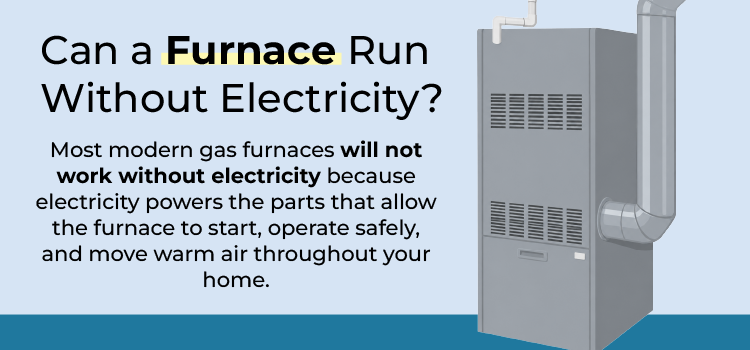
Most modern gas furnaces will not work without electricity, even though they burn natural gas to produce heat, because electricity powers the parts that allow the furnace to start, operate safely, and move warm air throughout your home.
Here are the main parts of a gas furnace that rely on electricity:
- Blower motor: Moves warm air through your ductwork, so if the power goes out, the heat can't reach the rest of your home.
- Control board: Manages the furnace's startup and operation, so the heating cycle cannot begin if it isn't receiving power.
- Inducer fan: Helps vent combustion gases safely, preventing the furnace from starting unless it can vent properly.
- Electronic igniter: Lights the natural gas burners, but it can't create a spark during a power outage.
- Safety sensors: Monitor the furnace for unsafe conditions and keep the system from operating when they aren't powered.
- Thermostat communication: Allows the thermostat and furnace to communicate, but that connection stops when electricity is unavailable.
If the electricity goes out, these components stop working. Even if natural gas is still flowing to your home, the furnace cannot safely ignite the burners, circulate warm air, or complete its normal heating cycle until power is restored.
Are There Any Gas Furnaces That Can Work Without Electricity?
Some older gas furnaces, such as gravity furnaces, were designed to operate without electricity because they relied on the natural flow of warm air instead of an electric blower motor. Some older systems also used a standing pilot light instead of electronic ignition.
However, these furnaces are uncommon today. If your gas furnace was installed within the last few decades, it almost certainly requires electricity to operate. Unless you have a much older heating system, you should expect your furnace to stop working during a power outage.
What Happens to Your Gas Furnace During a Power Outage?
When the power goes out, most modern gas furnaces stop heating because the electrical components they rely on no longer have power. Even if natural gas is still flowing to your home, the furnace cannot safely produce or circulate heat.
Here's what typically happens:
- The thermostat stops calling for heat. Without electricity, the thermostat can no longer communicate with the furnace or tell it to start a heating cycle.
- The control board shuts down. Since the control board relies on electricity, it can no longer manage the startup sequence or monitor the furnace's safety systems.
- The burners do not ignite. Without power for the electronic ignition system, the natural gas burners cannot safely light.
- The blower motor stops running. Even if heat could be produced, the blower cannot push warm air through your ductwork and into your home.
- Your home gradually begins to cool down. How quickly this happens depends on factors such as the outdoor temperature, your home's insulation, air leaks, and how warm your home was before the outage.
If your furnace stops working during a power outage, it's usually a sign that it's operating as designed. Modern furnaces include built-in safety features that prevent them from running without the electricity needed to control ignition, airflow, and other essential functions.
Once power is restored, most furnaces restart automatically when the thermostat calls for heat. If your furnace doesn't restart after power returns, you may need to check your thermostat settings, circuit breaker, or your manufacturer's instructions before assuming the system needs repair.
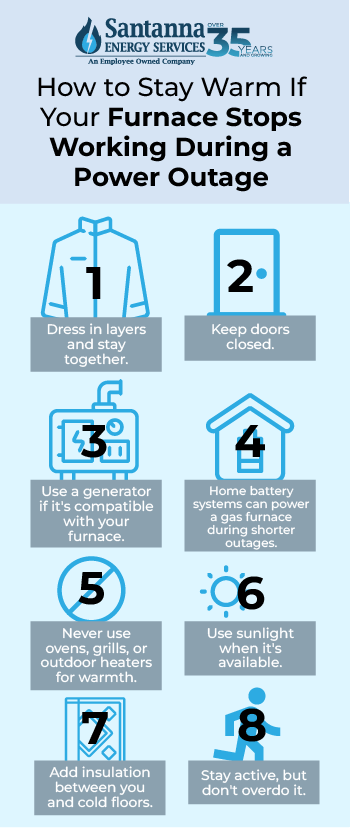
How Can You Stay Warm If Your Gas Furnace Stops During a Power Outage?
If your gas furnace stops during a power outage, your home will gradually become colder, but a few simple steps can help keep you and your family warmer until electricity is restored.
Here are some practical ways to stay comfortable during an outage:
- Dress in layers and stay together: Wear warm clothing, use blankets, and spend time in one room to help conserve body heat.
- Keep doors closed: Close off unused room to reduce heat loss.
- Use a generator if it's compatible with your furnace: A properly sized generator can power your furnace, but never run a portable generator inside your home, garage, or other enclosed spaces because of the risk of carbon monoxide poisoning.
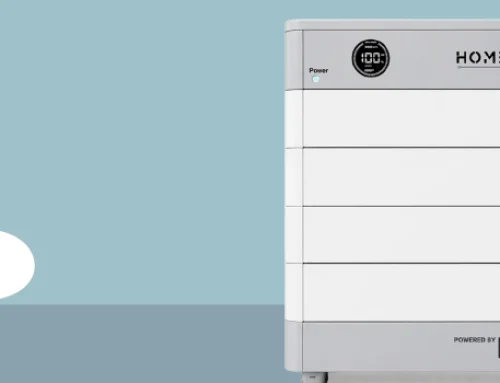
- Consider a battery backup system: Some home battery systems can power a gas furnace during shorter outages, depending on the battery capacity and your furnace's electrical needs.
- Never use ovens, grills, or outdoor heaters for warmth: They can create dangerous carbon monoxide buildup and increase the risk of fire.
- Use sunlight when it's available: During the day, open curtains or blinds on windows receiving direct sunlight to let in some natural warmth. Close them again as the sun goes down to help slow heat loss.
- Add insulation between you and cold floors: Rugs, blankets, or even sleeping bags can provide an extra barrier if you have cold tile, hardwood, or other uncarpeted floors.
- Stay active, but don't overdo it: Light movement around the house can help you stay warm. Avoid strenuous activity that makes you sweat; this can cause your close to feel damp and turn cold.
If winter power outages are common where you live, having a backup power plan before the next storm can help keep your home warmer and your family safer.
How Many Watts of Electricity Does a Gas Furnace Use?
Most gas furnaces need about 600 watts of electricity to start and operate. Although natural gas provides the heat, electricity is needed to power the ignition system and the blower motor that moves warm air through your home.
This relatively small amount of electricity is one reason a properly sized generator or battery backup may be able to keep a gas furnace running during a power outage. Keep in mind that the exact electrical demand can vary by furnace model, but around 600 watts is a common estimate for many residential gas furnaces.
Does a Gas Furnace Increase Your Electricity Bill?
Yes, a gas furnace can increase your electricity bill, but only because it uses electricity to power its electrical components, not to create heat.
For example, if your gas furnace uses about 600 watts while running and operates for 8 hours a day, it would use approximately 144 kWh of electricity over a 30-day month. At the U.S. average residential electricity rate of 18.44 cents per kWh (May 2026), that would add about $27.12 to your monthly electric bill.
The heat itself comes from natural gas, while electricity powers the blower motor, control board, igniter, and other components that keep the furnace running. That's why it's normal for both your natural gas and electricity bills to increase during the winter, especially as the furnace runs more often to keep your home warm.
Your actual electricity use will vary based on your furnace, outdoor temperatures, insulation, and how often the system runs, but this example helps explain why a gas furnace still uses electricity even though it burns natural gas.
FAQs
Will my pilot light stay on during a power outage?
It depends. An older standing pilot light may stay lit during a power outage, but most modern furnaces use electronic ignition and will not operate without electricity.
Can I manually light my gas furnace?
No, most modern gas furnaces are not designed to be manually lit, and attempting to do so can be unsafe, so always follow the manufacturer's instructions.
When it comes to managing winter energy costs, understanding how your home uses both natural gas and electricity is only part of the picture. Having more predictable energy expenses can also bring greater peace of mind during the months when your furnace works the hardest.
With Santanna's Unlimited Energy plan, eligible homeowners can enjoy a more predictable monthly energy supply charge, helping reduce supply charge surprises even as heating needs change throughout the season.* If you're looking for more confidence in your winter energy budget, it may be worth exploring whether this plan is the right fit for your home.
* Restrictions apply. Enrollment based upon program eligibility. Customers using more than 125% of normal monthly usage as determined by Santanna may be required to switch plans.
Jenna Mendez is an experienced energy content professional who has spent four years researching, writing, and managing authoritative educational content for Midwest energy consumers at Santanna Energy Services. As a lifelong Illinois resident, Jenna brings firsthand knowledge of the region’s climate, communities, and household energy needs to her work.
She specializes in translating complex energy topics into clear, practical guidance about electricity and natural gas costs, appliance energy use, energy efficiency, and everyday home living. Drawing on industry research, Santanna customer data, and insights from experienced energy professionals, Jenna incorporates this knowledge into her content to help homeowners better understand their energy choices and make informed decisions for their households.