
How Does a Generator Make Electricity?

by Tyler Castle
Updated: June 1, 2026
9.4 min read
Key Points of This Article:
- A generator typically makes electricity by converting fuel into electrical energy.
- Most homes can stay comfortable during a power outage with a generator in the 5,000 to 8,000 watt range for essentials like refrigerators, lights, and HVAC systems.
- Safe generator use starts with proper placement outdoors, using the right extension cords, and never overloading the unit during an outage.
- Whole-house generators usually need around 15,000 to 20,000 watts to power most or all of a home during longer outages.
When the power goes out, everything in your home can suddenly stop working.
The lights shut off, the refrigerator goes quiet, and your heating or cooling system stops running. During storms, whether it is heavy rain, ice, or extreme heat, many homeowners know this experience all too well. That is usually when generators start coming up in conversation.
A generator can help keep your home running during an outage, but how does a generator make electricity in the first place?
At its core, a generator turns fuel into electricity your home can use, and the process is simpler than it sounds.
As an energy supplier in the Midwest, we will explain in this guide how generators make electricity and what that means for your home during a power outage, so you can stay comfortable, safe, and prepared when it matters most.
How Does a Generator Make Electricity?
A generator makes electricity by converting fuel into electrical energy through motion. Generators uses fuels like gasoline, propane, diesel, or natural gas to power the system which ultimately creates electricity. Here's how it works:
- Fuel provides chemical energy
- The engine turns that energy into motion
- That motion helps a generation make electricity
If any part of that process stops, the generator cannot produce power. But as long as it has fuel and runs properly, it can keep essential appliances and systems working during an outage.
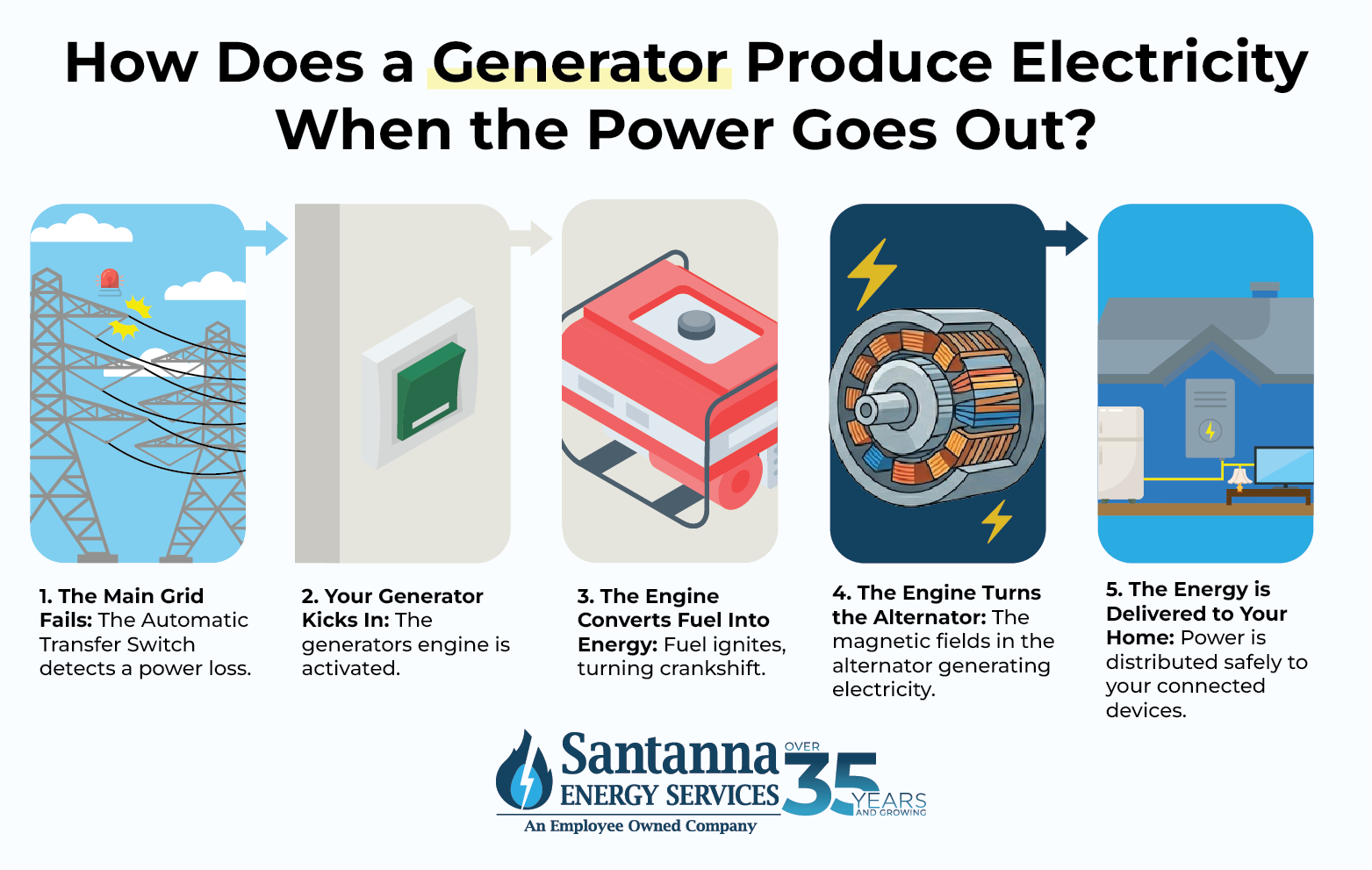
How Does the Generator Produce Electricity When the Power Goes Out?
During an outage, your home is no longer receiving power from utility lines. A generator steps in as a temporary power source so you can keep essential items running.
Here’s how a generator produces electricity when the power goes out:
Step 1: The Generator Uses Fuel to Start
The generator uses fuel like gasoline, propane, diesel, or natural gas to begin producing power.
Step 2: The Engine Starts Running
The fuel powers the engine, and the engine begins to run. This is what starts the whole process.
Step 3: The Engine Creates Motion
As the engine runs, it creates steady movement inside the generator that is needed to generate electricity.
Step 4: Electricity Is Produced
The generator turns that motion into electricity. This is the point where power is created for your home.
Step 5: The Power Is Made Safe to Use
The generator controls the flow of electricity, so it stays steady. This helps protect your lights, appliances, and devices.
Step 6: Electricity Powers Your Home
Once the power is ready, it flows to appliances and systems like your refrigerator, lights, heating or cooling system, and other important devices connected to the generator.
What Are the Main Components of a Generator?
A generator’s main components work together to turn fuel into electricity safely.
Here are the key parts found in most home generators and how each one helps keep power running during an outage:
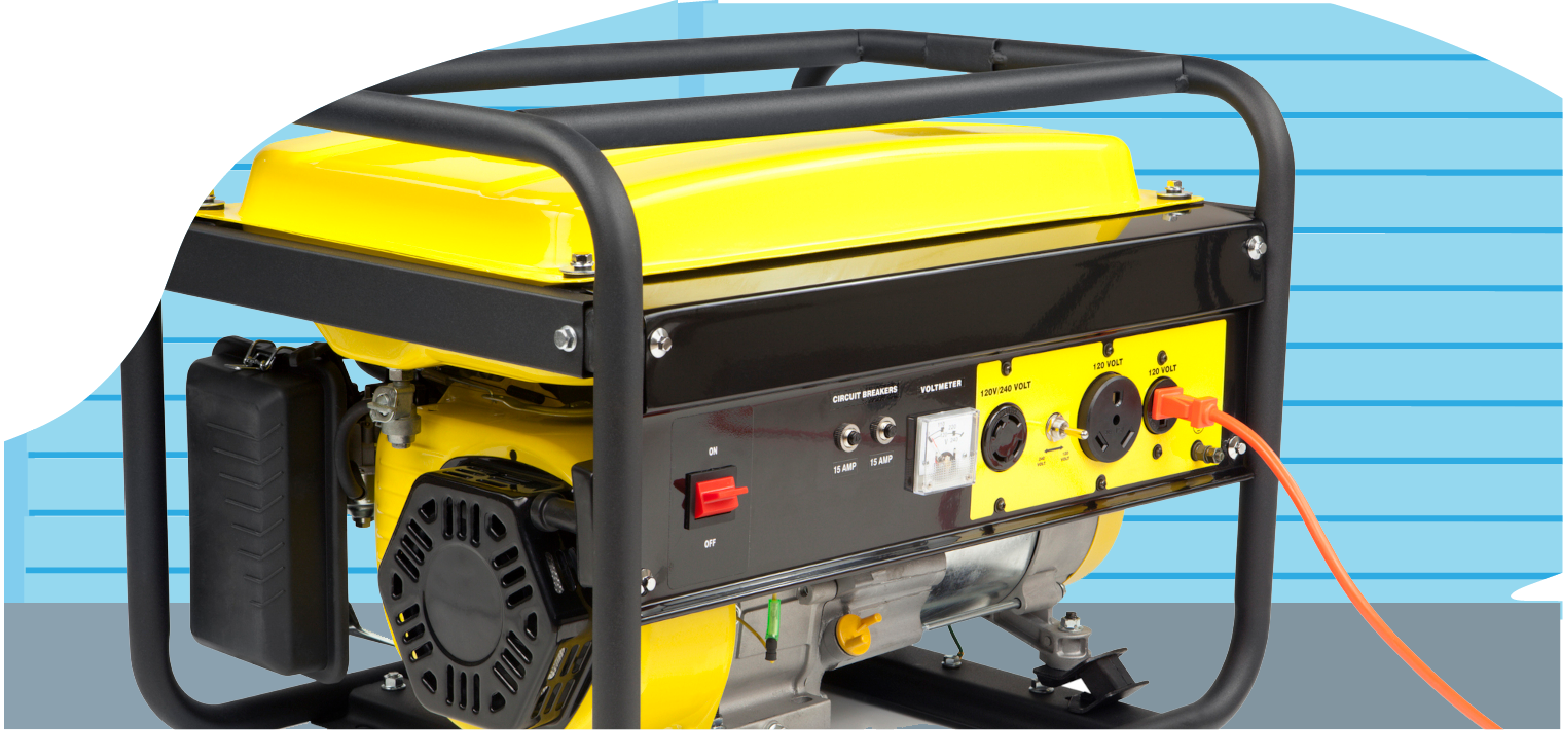
Engine
The engine runs on fuel and creates the motion needed for the generator to operate. Without it, the generator cannot produce power.
Alternator
The alternator is where electricity is produced. It turns the engine’s motion into electricity for your lights and appliances.
Fuel System
The fuel system stores and delivers fuel to the engine so the generator can keep running during an outage. The size of the fuel tank or supply can affect how long the generator can run during an outage.
Voltage Regulator
The voltage regulator keeps power steady to help protect your lights, appliances, and devices from uneven power.
Cooling System
The cooling system removes heat when generators get hot, especially during longer outages, to help prevent overheating.
Exhaust System
The exhaust system carries harmful gases away from the engine, which is why generators should always be used outdoors.
Lubrication System
The lubrication system reduces friction and wear while helping engine parts move smoothly to extend the life of the generator.
Battery Charger
The battery charger keeps the generator’s battery ready so it can start quickly when needed, which is especially important for standby generators that turn on automatically during an outage.
Control Panel
The control panel is where you operate the generator. It allows you to start or stop it, monitor how it is running, and check things like power output or alerts.
Main Assembly or Frame
The frame holds all the parts together and keeps the generator stable while it is in use. It also helps protect the internal components from damage.
Each of these parts has a role, but they all work together to keep the generator running when power is needed most.
What Types of Generators Can You Use at Home?
You can choose from a few common types of home generators, and each is designed for different power needs during an outage.
One of the most common options is a portable generator, which is smaller, movable, and usually powered by gasoline or propane. They are helpful for short-term outages and can power essentials like your refrigerator, lights, or a fan. These generators require manual setup and must be started when the power goes out.
Another option is a standby generator, which is permanently installed outside your home and connected to your electrical system. They automatically turn on during an outage and typically run on natural gas or propane. These generators can power most or all of a home, making them a popular choice for more complete backup power.
There are also inverter generators, which are usually smaller and quieter. They provide more stable power, making them a good choice for sensitive electronics like laptops or phones. These are often used for lighter power needs rather than full-home backup.
The right generator depends on how much power you want to keep running and how often outages happen in your area.
Why Are Generators Useful During Power Outages?
Generators are useful during power outages because they help keep your home running when electricity from the grid is unavailable.
In the Midwest, outages often happen during storms, ice, strong winds, or extreme heat. When the power goes out, many of the systems you rely on every day stop working too.
Without a generator:
- Your refrigerator stops, and food can spoil
- Your home can become too hot or too cold
- Lights go out, making it harder to move around safely
- The internet stops working and you won’t be able to charge your cell phone
With a generator:
- Your refrigerator stays running
- Your home can stay comfortable in any season
- You have light and basic power for daily needs
- You can keep your internet on and continue working from home
- You can stay connected and reach others if needed
The difference is not just convenience, but about staying safe, comfortable, and prepared until power is restored.
How Much Electricity Can a Generator Produce?
When the power goes out, most households need a generator in the 5,000 to 8,000 watt range to keep essential parts of the home running. This size can usually power basics like your refrigerator, sump pump, heating or cooling system, a few lights, and small electronics like a laptop or TV.
If you want to power most or all of your home during an outage, a whole-house generator typically needs around 15,000 to 20,000 watts.
While a mid-size generator may not run everything at once, it can provide a reliable balance between comfort, cost, and fuel use during an outage.
If you want help choosing the right generator size for your home, we cover that in more detail in our guide here.
How To Use a Generator Safely in Your Home
A generator is safe to use at home when it is placed outdoors, connected properly, and used within its limits.
Using it the right way helps protect your home and your family during a power outage. Here are the most important safety practices every homeowner should follow:
- Place the Generator Outdoors and Away From Your Home: Always run your generator outside, at least 20 feet away from doors, windows, and vents. This helps prevent harmful gases from entering your home.
- Keep It Dry and on a Stable Surface: Place the generator on a flat, dry surface. Keep it away from rain and standing water to reduce the risk of electrical hazards.
- Use the Right Extension Cords: Use heavy-duty extension cords rated for outdoor use. This helps ensure your appliances receive power safely without overheating the cords.
- Use a Transfer Switch for Home Connection: If you plan to connect the generator to your home’s electrical system, use a transfer switch, a device installed near your electrical panel that safely connects your generator to your home and prevents electricity from flowing back into power lines, which can be dangerous for utility workers and your home.
- Do Not Overload the Generator: Only run the appliances your generator can handle. Overloading can cause the generator to shut down or damage your equipment.
- Let the Generator Cool Before Refueling: Turn off the generator and allow it to cool before adding more fuel. This helps prevent fires or burns.
- Follow Manufacturer Instructions: Always read and follow the instructions that come with your generator. Each unit may have specific safety steps you need to follow.
With the right setup and safety steps, a generator can help keep your home powered and safer during an outage.
FAQs
Do generators create electricity or convert it?
Generators convert energy from fuel into electricity rather than creating it from nothing.
What happens when electrical load increases?
When electrical load increases, the generator must supply more power, which can cause it to use more fuel and work harder.
How long can a generator run during an outage?
According to Generator Supercenter, a generator can run for about 10 to 20 hours on a full tank of gasoline, depending on its size and fuel capacity.
Are generators safe to use at home?
Generators are safe when used properly outdoors and away from openings to prevent carbon monoxide exposure.
Generators work by turning fuel into motion and that motion into electricity, helping keep your home running when the power goes out. During Midwest storms, that backup power can help keep your home comfortable and your day on track.
A generator helps you stay prepared for the moments you cannot control and keeps your home running when it matters most.
And while a generator helps during an outage, your energy plan shapes what happens the rest of the time. With Santanna’s Unlimited Energy plan, your supply charge stays predictable, so you are not left guessing month to month.* It is one less thing to worry about while keeping your home running smoothly.
* Restrictions apply. Enrollment based upon program eligibility. Customers using more than 125% of normal monthly usage as determined by Santanna may be required to switch plans.
Tyler is an experienced energy professional, having worked for Santanna Energy Services, for the past four years. He is passionate about renewable energy and believes that diversifying the energy grid is the key to a sustainable future. Tyler is dedicated to supplying consumers with the best possible energy solutions and works diligently to make sure that Santanna can deliver the highest quality service.