
What Uses Gas in My Home A Complete Guide to Natural Gas Appliance

by Jenna Mendez
Updated: October 15, 2026
10.6 min read
Key Points of This Article:
- Natural gas can power a home’s furnace or boiler, water heater, stove, dryer, fireplace, and some outdoor appliances.
- In a home with gas space heating, the heating system is often the largest gas user, especially during colder months.
- To find out what uses gas in your home, check appliance labels and manuals, then compare your gas usage across seasons to better understand changes in your bill.
You may know your home uses natural gas, but do you know exactly where that gas is going? Your stove might be the obvious answer, but natural gas could also be powering your furnace, water heater, dryer, fireplace, and even some outdoor appliances.
If you're a first-time homeowner, renter, or moving into an older home, figuring out which appliances use gas and which use electricity isn't always easy.
As an energy supplier, we're here to help you understand what appliances use gas in your home and how it's used.
What Uses Gas in My Home?
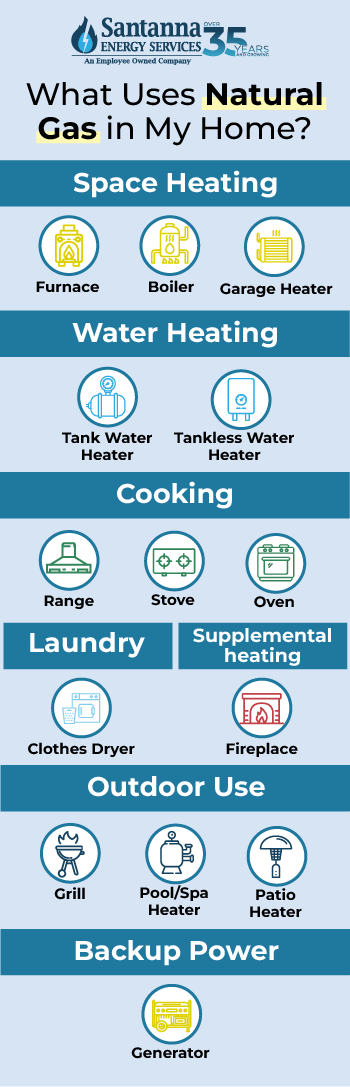
In many homes, natural gas is used for heating, hot water, cooking, clothes drying, fireplaces, and certain outdoor or backup-power appliances.
According to the American Gas Association (AGA), more than 73.7 million U.S. households rely on natural gas; this is proof that natural gas continues to be a go-to choice for families across the country.
Here's a quick look at what uses natural gas in your home:
Common Appliances That Use Natural Gas
| Function | Appliances that use natural gas | Can be electric too? |
| Space heating | Furnace, boiler, wall or garage heater | Yes |
| Water heating | Tank or tankless water heater | Yes |
| Cooking | Range, stove, oven | Yes |
| Laundry | Clothes dryer | Yes |
| Supplemental heating | Fireplace, gas insert | Yes |
| Outdoor use | Grill, pool or spa heater, patio heater | Some |
| Backup power | Standby generator | Other fuel options are available |
Furnaces, Boilers, and Other Gas Heating Systems
Gas furnaces or a boiler may use substantially more natural gas in winter because it runs more often to heat the home. Your actual usage depends on the equipment, outdoor temperature, thermostat setting, and how long the system runs.
A gas boiler uses natural gas to heat water that circulates through radiators or other parts of a home heating system. Some homes may also have natural gas wall heaters or garage heaters for individual spaces that consume natural gas as well.
Gas Stoves, Cooktops, Ovens, and Ranges
Stoves and cooktops are one of the most common appliances that use natural gas in your home.
A cooktop is the surface with burners, while an oven is the enclosed space used for baking and roasting. A range combines a cooktop and oven into one appliance. “Stove” is commonly used to refer to the cooking appliance as a whole.
How much natural gas you use for cooking depends on your appliance, which burners you use, the heat setting, and how long you cook. An oven’s gas use also varies with its temperature setting and how often it cycles on to maintain that temperature.
Water Heaters
If your home has a gas water heater, it can be one of your largest year-round uses of natural gas. Both tank and tankless models use gas to heat water for showers, baths, dishes, and laundry.
Hot water is needed throughout the year. So, if you have a gas water heater, your home can continue consuming natural gas during warm summer months where natural gas usage typically slows down.
Gas Clothes Dryers
In a gas dryer, natural gas heats the air while electricity powers components such as the drum and controls. How much gas a drying cycle uses depends on the dryer, the size and moisture of the load, the selected setting, and how long the cycle runs.
Gas Fireplaces
A fireplace can also be connected to your home’s natural gas supply which can use natural gas, even if you mainly think of it as a comfort or decorative feature. Gas fireplaces and gas inserts use natural gas to produce a flame and heat without requiring homeowners to burn wood.
Unlike a furnace or water heater, fireplace gas use depends heavily on how you use it. A fireplace turned on occasionally may contribute relatively little, while one used for hours throughout the colder months can add more to your household’s natural gas consumption.
What Other Appliances Can Use Natural Gas?
Some of the easiest natural gas appliances to overlook are outside your main living spaces, including pool heaters, grills, garage heaters, outdoor fireplaces, and standby generators. These “hidden” gas users matter because they can contribute to your home’s natural gas consumption even when major appliances are not running.
Here are some less-obvious appliances and equipment that may use natural gas:
Pool and Spa Heaters
A pool or spa heater can be a significant gas user while it is running because it has to heat a large amount of water and maintain the desired temperature. How much natural gas it uses depends on factors such as the size of the pool or spa, water temperature, outdoor weather, and how often the heater runs.
For homeowners with a gas pool or spa heater, this can help explain why natural gas use may remain higher during warmer months even though home heating is off.
Natural Gas Grills
Some outdoor grills connect directly to a home’s natural gas supply instead of using a refillable propane tank. This can be convenient for frequent grilling because there is no propane tank to replace, but it also means your cookouts become part of your household’s natural gas consumption.
A grill connected to your home’s natural gas line adds to your household’s gas use whenever you cook. The amount depends on the grill and which burners you use.
Patio Heaters and Outdoor Fireplaces
Patio heaters, outdoor fireplaces, and fire pits can also run on natural gas. Permanently installed models may be connected to a natural gas line, while portable versions commonly use propane, and some patio heaters use Liquefied Petroleum Gas that doesn’t contribute to your natural gas bill.
Regularly heating an outdoor space during cooler weather will naturally use more gas than occasionally turning on a fire pit.
Garage Heaters
A heated garage or workshop may have its own natural gas heater that can connect to your natural gas line. Because these spaces are separate from the main living area, homeowners may overlook them when trying to identify where natural gas is being used.
If you regularly heat a garage during a Midwest winter, that heater can add to the natural gas already being used to heat the rest of your home.
Standby Generators
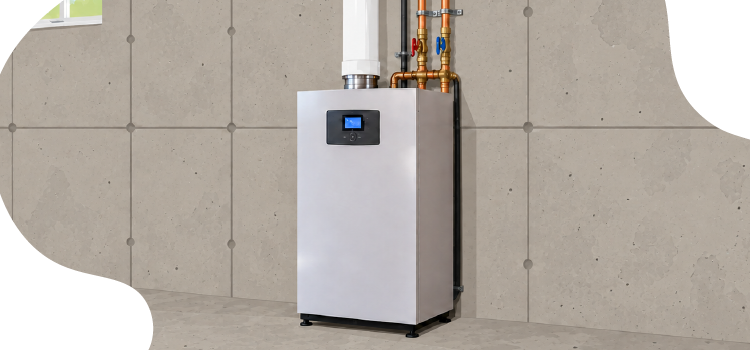
Most whole-home standby generators can be connected to a home’s natural gas supply and use natural gas to operate. They typically sit idle until needed, then use natural gas to generate electricity during a power outage.
A natural gas standby generator usually contributes little to everyday usage, but a long outage can noticeably increase gas consumption while it runs. The amount depends on the generator’s size and the electrical load it is powering.
Outdoor Gas Lighting
Some homes have outdoor lamps that burn natural gas instead of using electricity. These are much less common than electric outdoor lighting, but you may encounter them in certain older homes or properties with permanently installed gas fixtures.
Because gas lights may operate for long periods, they can create ongoing gas use that is easy to overlook.
One thing to remember with all of these less-obvious appliances is that a flame does not necessarily mean natural gas. Propane can power many of the same appliances, particularly grills, patio heaters, fire pits, and other outdoor equipment.
How Can I Tell Which Appliances in My Home Use Gas?
You can usually tell if an appliance uses natural gas by checking its label, looking for a gas connection, and confirming that your home has natural gas service. You don’t need to take anything apart to look for these clues.
Here are a few simple ways to check:
- Read the appliance label. Look for a label or model plate on the appliance. It may say “natural gas,” “NG,” “gas input,” or list a gas rating in BTU per hour. The label may also simply identify the fuel type.
- Look for a gas connection. A gas appliance may have a gas supply line connected to it, often with a nearby shutoff valve. You can look for the connection, but don’t disconnect, turn, or test anything yourself.
- Check for a vent. Furnaces, water heaters, and some other gas appliances may have a vent that carries combustion gases outside. However, a vent by itself does not confirm that an appliance uses natural gas.
- Check your gas bill or meter. If your home has a natural gas meter or you receive a natural gas bill, the property has natural gas service. Just remember that this tells you gas is being supplied to the home, not which appliances are using it.
- Check the manual or model number. If you’re still unsure, look up the appliance’s model number or check its manual. This can be especially helpful for dryers, water heaters, and ranges because gas and electric versions can look very similar.
If you rent or still can’t tell what an appliance uses, ask your landlord, property manager, home inspector, utility, or a qualified professional. The goal is simply to identify the fuel source without opening, disconnecting, or changing any gas equipment.
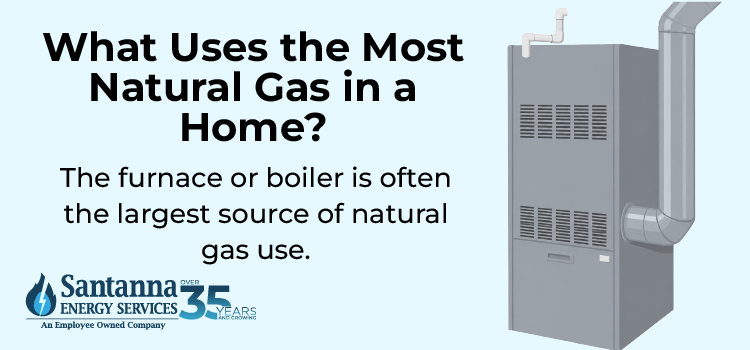
What Uses the Most Natural Gas in a Home?
In a home with gas space heating, the furnace or boiler is often the largest source of natural gas use, especially during a Midwest winter.
According to the U.S. Energy Information Administration, 70% of Midwest households used natural gas for space heating in 2020.
Water heating is another large user of natural gas. Unlike home heating, which is highly seasonal, a gas water heater may run throughout the year to provide hot water for showers, dishes, cleaning, and laundry.
Other gas appliances, including stoves, ovens, and clothes dryers, account for a smaller share of household natural gas use. How much each appliance contributes depends on how often you use it, how efficiently it operates, and the needs of your household.
How Do Gas Appliances Affect My Natural Gas Bill?
Your gas appliances affect your natural gas bill by how much natural gas they use and how often they run, but your total bill depends on more than usage alone. The amount of gas you consume, the price you pay for your natural gas supply, and applicable utility delivery charges can all affect what you pay.
Natural gas usage may appear on your bill in therms, CCF, or MCF, depending on your utility.
For example, your furnace may run much longer during a cold January than during a mild November. Even if your cooking, laundry, and hot-water habits stay the same, that extra heating can cause your household to use more natural gas.
Heating habits can also affect how often a gas furnace runs. In a Santanna Energy Experts survey, 6 of the 10 employee-owners who said they heat with natural gas reported actively changing their heating habits to try to reduce their gas bill.
If your gas usage looks different than expected, compare this month with the previous month and the same month last year. This can help you see whether the change is likely seasonal, such as increased winter heating, or whether your home is using more natural gas than usual.
FAQs
Can natural gas appliances run on propane?
Not automatically. Natural gas and propane have different operating requirements, and only compatible appliances should be converted according to manufacturer requirements by an appropriate qualified professional.
Does natural gas turn into carbon monoxide?
Natural gas itself is not carbon monoxide, but fuel-burning appliances can produce carbon monoxide when combustion is incomplete, making proper installation, maintenance, and ventilation important.
Who is responsible for your gas meter?
Your gas utility is generally responsible for the gas meter and its maintenance, while you are typically responsible for keeping the meter accessible and maintaining customer-owned gas equipment and piping on your property.
Knowing what uses natural gas in your home makes it easier to understand where your energy is going and why your usage changes throughout the year. Heating is often the biggest gas use in a gas-heated home, while water heating can use gas year-round.
Pairing your appliance with the right energy plan can be one way you can take your home to the next level. Explore Santanna’s energy options to learn more about the electricity and natural gas choices that may be available in your area.
Jenna Mendez is an experienced energy content professional who has spent four years researching, writing, and managing authoritative educational content for Midwest energy consumers at Santanna Energy Services. As a lifelong Illinois resident, Jenna brings firsthand knowledge of the region’s climate, communities, and household energy needs to her work.
She specializes in translating complex energy topics into clear, practical guidance about electricity and natural gas costs, appliance energy use, energy efficiency, and everyday home living. Drawing on industry research, Santanna customer data, and insights from experienced energy professionals, Jenna incorporates this knowledge into her content to help homeowners better understand their energy choices and make informed decisions for their households.