
Do Energy-Saving Devices Really Work? What Works and What Doesn’t

by Chris Tessler
20.2 min read
Energy-saving devices are everywhere. Some say they can lower your electric bill. Others promise to make your home more efficient.
When energy costs go up, especially during winters and hot summers, it's normal to look for something that might help. You might see plug-in power savers, smart thermostats, advanced power strips, and other gadgets all claiming to reduce your bill. But it's not always clear which ones actually work and which ones don't make much difference.
Most of us aren't looking for a miracle. We just want straight answers before spending money on something new. We know how confusing it can be when marketing claims don't line up with how your bill actually works. The question of "do energy-saving devices work?" is bound to come up.
In this guide, you'll learn which energy-saving devices can truly help lower electricity use, which ones are often misunderstood, and how real savings actually happen. By the end, you'll have a clearer idea of what's worth it and what you can skip.
Key Points of This Article:
- Real energy‑saving devices like LED bulbs, smart thermostats, and ENERGY STAR appliances do reduce electricity use by lowering wattage or runtime, while many plug‑in “power saver” boxes do not provide measurable savings.
- Plug‑in devices that claim to automatically reduce your bill typically only adjust voltage or power factor, which does not reduce kilowatt‑hour consumption; the metric your utility actually bills you for.
- Verified energy‑saving devices work when they either make an appliance run for less time or perform the same job using fewer watts, leading to small but steady savings over time.
What Are “Energy-Saving Devices,” Really?
Real energy-saving devices are designed to reduce electricity use by helping your home run more efficiently, such as LED bulbs, smart thermostats, and advanced power strips.
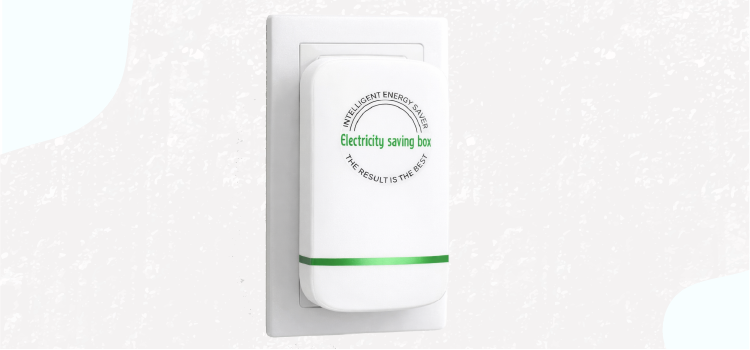
There are also plug-in devices marketed as energy savers that claim you can lower your household electricity use simply by plugging them into an outlet. Independent engineering analyses and consumer investigations have reported that many plug-in power saver boxes do not reduce residential electricity consumption or lower household energy bills.
In most homes, products labeled as energy-saving fall into four clear categories. Understanding these categories makes it much easier to tell which ones actually help and which ones don’t. Here are the most common categories that energy-saving devices fall in:
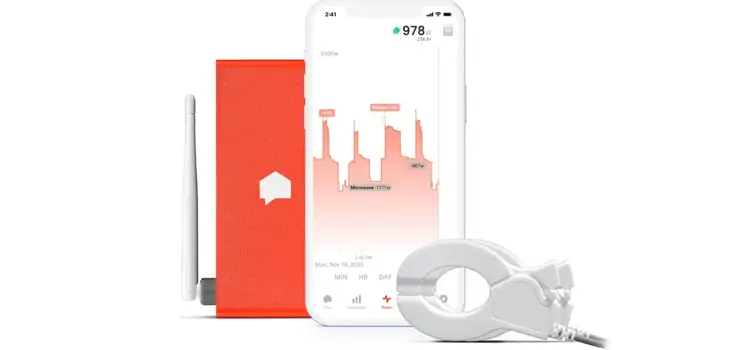
Devices That Monitor Energy Use
These tools show where electricity is being used in your home. Examples of these devices include whole-home energy monitors, smart meter apps from your utility, and plug-in outlet meters that measure how much power a single appliance uses.
They don’t reduce energy on their own, but they can help you spot patterns in your energy use and identify where you can cut back on electricity.
Devices That Control or Automate Energy Use
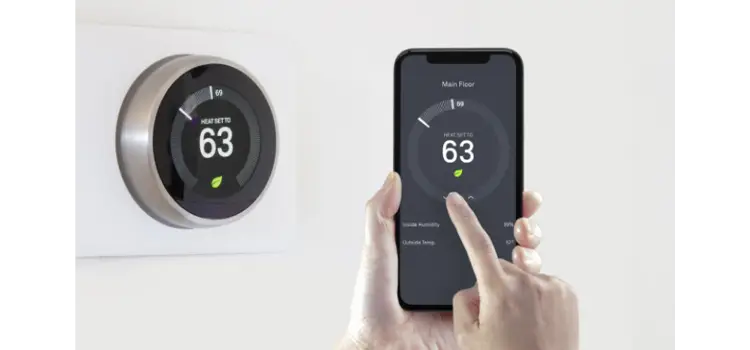
These include smart thermostats, timers, and smart plugs. They help manage when and how much energy equipment uses by adjusting settings automatically based on schedules, real‑time conditions, or whether someone is actually present.
For example, smart thermostats can lower heating or cooling when a space is unoccupied, and smart plugs can cut power to devices that draw electricity even when turned off.
Devices That Improve Efficiency
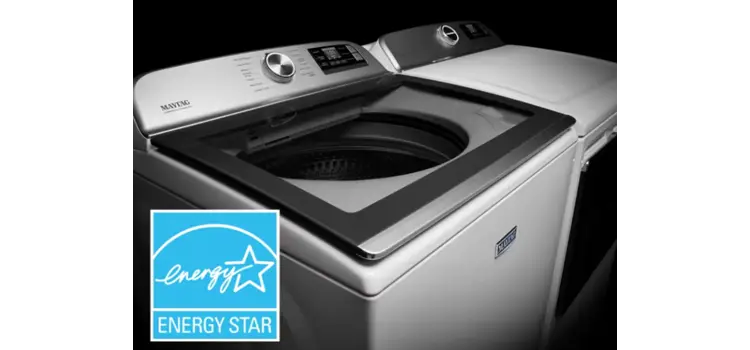
This category includes making upgrades to LED lighting and energy-efficient appliances. These devices save energy because they do the same job using less electricity every time they’re used.
Over time, these energy-saving devices actually do save money on your electricity bill. For example, certified Energy-Star appliances like refrigerators are 9% more efficient than other models and can save $150 over the 12-year lifetime of a product.
These potential energy savings don’t just stop at refrigerators; dishwashers, dryers, and even smaller appliances like air fryers can save you money over time as long as they’re marketed as energy efficient.
Plug-in Devices That Claim To Save Energy Automatically
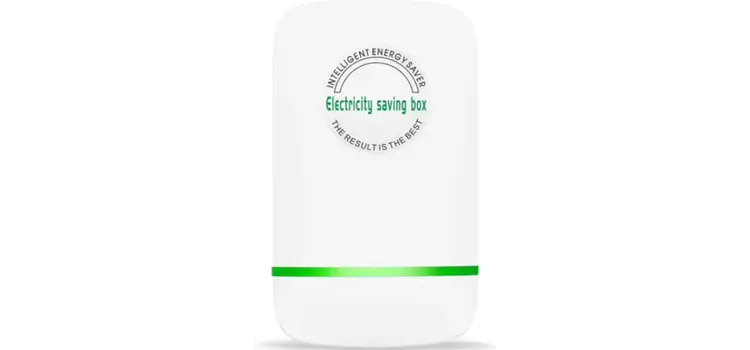
These devices usually adjust electrical conditions at the outlet, like voltage or power factor, but that doesn’t change how much energy your appliances actually use.
In fact, this article by Yahoo Finance states that energy-saving devices like StopWatt that claim to save electricity typically do not reduce your electricity bill at all. These devices, however, may provide minor surge protection or voltage smoothing.
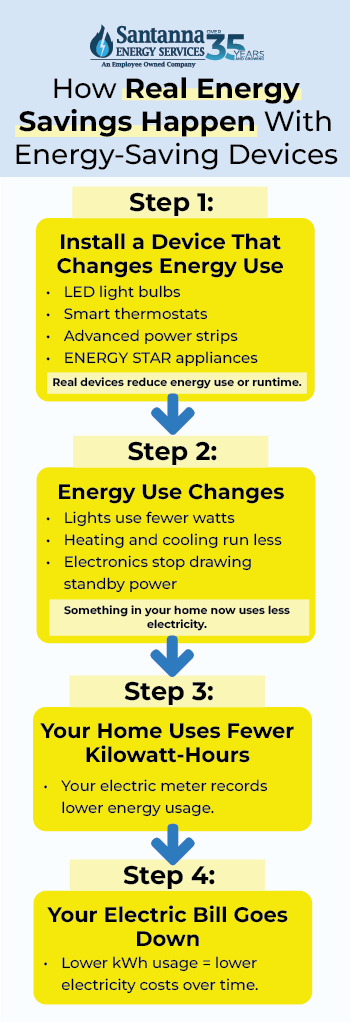
Here’s a simple way to think about it. Real energy savings happen when something in your home uses less electricity or runs for less time. If a product doesn’t change either of those, it usually won’t change your bill.
Do Energy-Saving Devices Really Work?
Some certified energy-saving devices can lower your electric bill, but many plug-in “power saver” gadgets marketed as automatic bill reducers typically do not show measurable savings in your residential electricity bill.
The energy-saving devices that work usually do one of these things:
- They reduce how long something runs (like heating and cooling)
- They reduce the watts needed for the same job (like switching to LEDs)
- They cut wasted standby power in electronics setups (like cutting standby power from electronics)
If you install a device that actually reduces energy use and your daily habits stay about the same, you should see lower kilowatt-hours on your next bill. That’s the real proof that it’s working. If nothing changes about how long your appliances run or how much power they use, your bill usually won’t change either.
Some plug-in energy-saving devices that claim to “optimize,” “clean,” or “stabilize” power don’t change how much electricity your appliances actually use. Most of these plug-in box devices adjust things like voltage or power factor at the outlet.
Since your home is billed for the total kilowatt‑hours you use (not the voltage going to your appliances that plug-in devices control), plug‑in energy‑saving devices won’t reduce your electricity bill because voltage changes don’t affect how much electricity you’re charged for.
Your meter simply counts how much power is used over time. If those numbers don’t change and your energy habits stay consistent, your kilowatt-hours generally won’t change either.
That’s why, in many residential settings, these types of plug-in devices do not typically result in measurable bill reductions.
How Do Real Energy-Saving Devices Compare to Plug-In Power Saver Boxes?
Real energy-saving devices lower bills by helping your home use less electricity. Plug-in “power saver” boxes are marketed differently and typically do not change how much energy your home consumes.
In some cases, these energy-saving devices, like plug-in power boxes, have actually been cited to increase electricity use. Providing the exact opposite effect of their intended use.
Some consumer safety sources have also warned that certain low-cost plug-in devices sold online have raised safety concerns, including reports of overheating in isolated cases.
Devices like LED light bulbs, smart thermostats, ENERGY STAR appliances, and advanced power strips must meet strict energy-efficient criteria set by the U.S Environmental Protection Agency to earn the label of “efficient.” Just because a device claims to save electricity doesn’t mean it meets those verified standards.
Plug-in “power saver” boxes, on the other hand, are often marketed as stabilizing voltage or correcting power factor and don’t likely fall under these strict standards set by the EPA to be called “efficient.”
Independent guidance from engineers at the National Institute of Standards and Technology has explained that power factor correction devices generally do not reduce residential electric bills because homes are billed based on energy used over time, not power factor adjustments.
In most homes, if a product doesn’t reduce how long equipment runs or how much power it uses, it usually doesn’t lead to noticeable bill reductions. That’s why efficiency tools that reduce runtime or wattage tend to produce measurable results, while plug-in box devices typically do not show the same impact in residential settings.
Can Plug-In “Power Saver” Boxes Save Energy If My Appliances Still Run the Same Amount of Time?
Plug‑in “power saver” boxes typically don’t save energy in most homes. Even if your appliances run for the same amount of time (or slightly less), they generally won’t reduce your electricity use. These devices only alter voltage, and voltage isn’t what your utility measures when calculating your monthly electricity bill.
According to the U.S. Department of Energy, electric bills are based on energy used over time and electricity use is measured in kilowatt-hours. Even when major appliances continue running the same way they always have, total energy use generally stays about the same.
So, if a device doesn’t reduce the number of kilowatt-hours your device uses or how long equipment runs, it usually won’t lead to noticeable bill savings. That’s why plug-in box devices often don’t change what shows up on your monthly statement, even though they may sound promising in advertisements.
Why Some Plug-In Energy-Saving Devices Feel Like They Worked
Some plug-in energy-saving devices feel like they worked because your electric bill naturally goes up and down, even when nothing meaningful changes in your home.
If you install a plug-in energy-saving device and your next bill is lower, it’s natural to connect the two. But in many cases, changes in weather, billing cycles, or daily routines can also affect the total.
In Midwest homes, energy use is very seasonal. A week of milder weather can reduce heating or cooling run time quickly. A colder or hotter stretch can push it right back up. That swing alone can change a bill, even if your habits stayed the same.
Electricity bills also vary because of normal life. Someone might spend less time at home for one month. Laundry, cooking, or showers might change. Some billing cycles include more days than others. All of that affects how many kilowatt-hours show up on your bill.
That’s why a lower bill right after installing a plug-in energy-saving device doesn’t automatically mean the device caused the savings. The only reliable way to tell is to ask one simple question:
Did anything actually change in how long appliances ran, how much power they used, or how much energy was wasted?
If the answer is no, the savings were likely influenced by other factors.
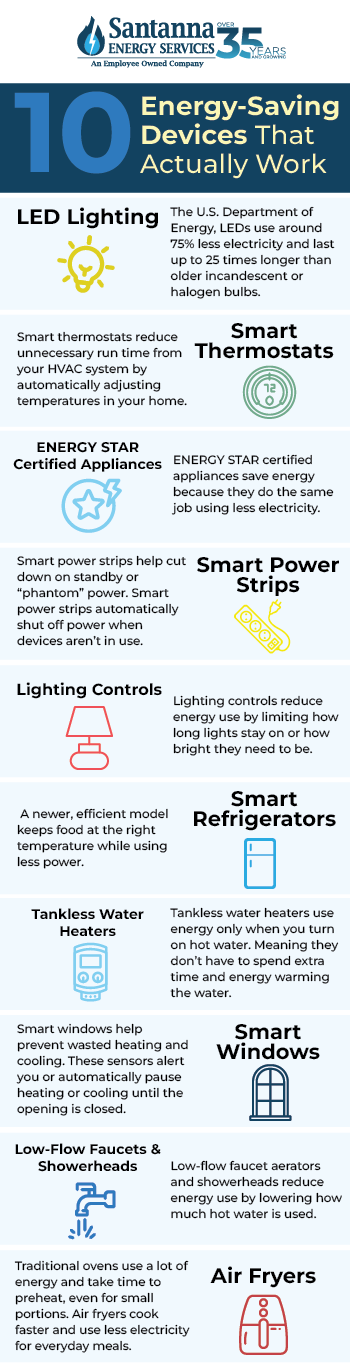
Top 10 Energy-Saving Devices for Home That Actually Work
The energy-saving devices that truly work at home all have one thing in common. They reduce how much energy your home uses, how long equipment runs, or how much energy is wasted along the way. None of these are miracle products, but they work in practical and predictable ways that line up with how electric bills are actually calculated and can provide noticeable results with the right habits.
Here are the top 10 energy-saving devices for your home that can reliably lower your electricity bills over time:
LED Lighting
LED lighting is one of the most dependable ways to lower energy use at home. According to the U.S. Department of Energy, LEDs use around 75% less electricity and last up to 25 times longer than older incandescent or halogen bulbs while producing the same amount of light.
Because lights are used every day, often for hours at a time, the savings quietly add up. Every hour an LED is on, it draws fewer watts, which means fewer kilowatt-hours showing up on your electric bill without changing how you live.
Smart Thermostats
Smart thermostats help reduce energy use by managing heating and cooling more efficiently. In most Midwest homes, HVAC systems are the biggest energy users between 45%-50%, especially during long winters and hot, humid summers.
Smart thermostats reduce unnecessary run time from your HVAC system by automatically adjusting temperatures overnight, when you’re away, or when no one needs full comfort. Less run time means less energy used, which is where real savings come from.
ENERGY STAR Certified Appliances
According to ENERGY STAR®, ENERGY STAR certified appliances save energy because they do the same job using less electricity. Older refrigerators, washers, dryers, and dishwashers often use more energy than homeowners expect, especially since they run regularly.
Upgrading to an efficient model lowers the energy used per cycle or per hour, reducing overall kilowatt-hours without requiring any change to your routine.
Smart or Advanced Power Strips
Smart power strips help cut down on standby or “phantom” power. Many electronics continue to draw electricity even when they look off, especially TVs, gaming systems, sound equipment, and home office setups.
Smart power strips automatically shut off power when devices aren’t in use. The savings are usually modest, but they’re real, especially in rooms with several electronics plugged in at once.
Lighting Controls (Timers, Motion Sensors, and Dimmers)
Lighting controls reduce energy use by limiting how long lights stay on or how bright they need to be. Timers and motion sensors turn lights off automatically, while dimmers lower wattage when full brightness isn’t necessary.
These controls are especially helpful in garages, basements, bathrooms, and outdoor areas where lights are often left on longer than intended.
Smart Refrigerators
Smart refrigerators can help lower energy use, especially if you’re replacing an older model. According to ENERGY STAR, certified refrigerators use about 9% less energy than models that only meet minimum federal standards. A newer, efficient model keeps food at the right temperature while using less power. The savings won’t dramatically cut your bill, but over time, they can make a steady difference.
Smart Windows and Door Sensors
Smart window and door sensors help prevent wasted heating and cooling. If a window or door is left open while the HVAC system is running, energy is lost quickly. These sensors alert you or automatically pause heating or cooling until the opening is closed. That prevents your system from running longer than necessary during extreme weather.
Low-Flow Faucet Aerators and Showerheads
Low-flow faucet aerators and showerheads reduce energy use by lowering how much hot water is used. Heating water accounts for a noticeable share of household energy use, especially in homes with long or frequent showers.
By using less hot water without sacrificing comfort, these fixtures reduce how often the water heater needs to run, lowering both water and energy use.
Tankless Water Heaters
Tankless water heaters use energy only when you turn on hot water. Traditional tank heaters keep water hot all day, which uses extra electricity or gas. According to the U.S. Department of Energy, homes that use 41 gallons of hot water per day or less can save about 24% to 34% on water heating energy compared to standard tank models. Savings depend on how much hot water your household uses.
Air Fryers
Air fryers help lower energy use by replacing longer oven run times for many meals. Traditional ovens use a lot of energy and take time to preheat, even for small portions. Air fryers cook faster and use less electricity for everyday meals, which can reduce energy use when they’re used instead of the oven.
How Much Money Can You Really Save With Energy-Saving Devices?
You can save real money with energy-saving devices, but the savings are usually small and steady, not dramatic overnight. You can save anywhere from a few dollars to $100 a year!
The biggest difference shows up when a few smart changes work together, especially in Midwest homes where heating and cooling drive much of the bill.
Take LED light bulbs, for example. LEDs use about 75% less electricity than old incandescent bulbs while giving off the same brightness. If you replace just five frequently used bulbs and run them around three hours a day, that can save roughly 20–25 kilowatt-hours per month. Depending on your electricity rate, that’s often $3–$5 a month just from lighting, without changing your routine.
A smart thermostat usually has a bigger impact because it affects heating and cooling. ENERGY STAR estimates certified smart thermostats save about 8% on heating and cooling costs on average, which works out to roughly $50 per year for many homes. The savings come from reducing run time, like lowering the temperature overnight or when no one is home.
Using an air fryer instead of a full-size oven can also lower energy use for everyday meals. A typical air fryer uses around 1.4 kWh per hour, while an electric oven can use 3 kWh per hour. If you cook a 30-minute meal, that’s a difference of 0.8 kWh per meal.
At an average electricity rate of 17.78 cents per kWh, that works out to about 14 cents saved each time you use the air fryer instead of the oven. It doesn’t sound huge on its own, but if you do that a few times a week, it can add up to a few dollars a month just by changing how you cook smaller meals.
Most energy-saving devices won’t slash your bill on their own. What they do is reduce energy use in specific, measurable ways. When you stack a few changes like LEDs, smarter thermostat settings, and more efficient cooking, the savings start to feel real, predictable, and worth it.
Are Energy-Saving Power Strips Worth It? And Are They a Proper Energy-Saving Alternative to Plug-In Energy-Saving Devices?
Energy-saving power strips are power strips designed to reduce electricity waste from electronics that draw power even when they appear to be off and they are an excellent alternative to plug in energy-saving devices that many sources claim to save energy but don’t.
Power strips reduce standby or “phantom” power, and it’s very common in modern homes filled with TVs, streaming devices, gaming consoles, speakers, printers, and chargers.
If you’ve ever turned off your TV and still seen tiny lights glowing around the room, you’ve seen this in action. Those devices are still pulling electricity 24/7 unless they’re fully unplugged.
Energy-saving power strips work by cutting power automatically when devices aren’t in use. Some models shut off connected devices when a main device, like a TV or computer, is turned off.
Others use timers or motion sensors to stop power flow after a period of inactivity. Either way, the goal is simple: stop electricity from being used when nothing is actually happening.
Energy-saving power strips make it easier to eliminate wasted energy without changing your habits. Instead of remembering to unplug multiple devices every night, the power strip does the work for you.
These aren’t a miracle solution, and they won’t slash your bill overnight. What they offer is a low-cost, low-effort way to stop unnecessary electricity use in the background. For many homeowners, that makes them a practical and worthwhile addition to a smart energy-saving plan.
Where Smart Power Strips Help the Most
Smart power strips work best where multiple devices are used together and then sit idle for the rest of the day.
- Living room and entertainment centers: TV, streaming box, game console, speakers, DVD player.
- Home offices: Desktop computer, monitor, printer, speakers, desk lamp.
- Kids’ rooms and gaming corners: Console, charging docks, LED lights, small speakers.
- Holiday and decorative lighting setups: Anything that is easy to forget and tends to stay on longer than planned.
A quick tip: Look for a strip that has a “control” outlet and “controlled” outlets. When the main device turns off, it cuts power to the extras. That is how many advanced power strips are designed to work.
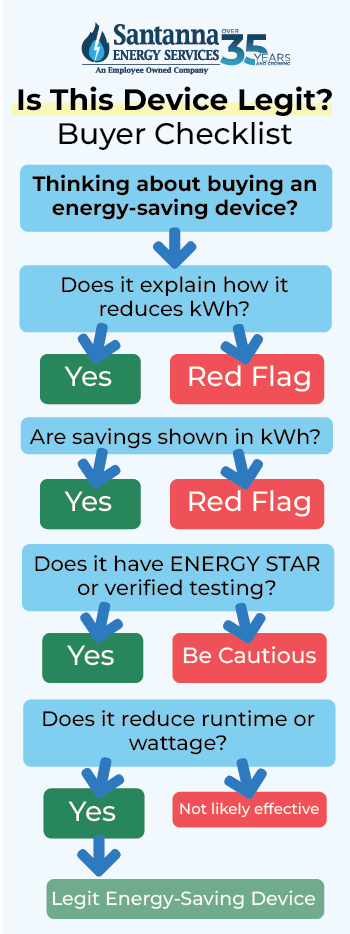
How Can You Tell If an Energy-Saving Device Is Legitimate Before You Buy It?
With so many products making big claims, it can be hard to know which ones are truly effective and which ones fall short.
Before you spend money on anything new, it helps to understand what separates a proven energy‑saving device from one that only sounds promising.
A legitimate energy-saving device clearly explains how it will reduce your kilowatt-hours. Here’s a simple guide on what to ask yourself about the device before you make a purchase:
Questions Worth Asking Before You Buy an Energy-Saving Product
Does it reduce kilowatt-hour usage or runtime?
Ask what changes in your home after you install it. Does your furnace run less? Does a device use fewer watts for the same brightness or heat? Most of the time, real energy saving devices will tell you an estimate of what you could right on the packaging or website listing.
Are savings explained in kilowatt-hours (kWh)?
Legit claims usually connect to the same unit your bill is based on.
A legitimate energy‑saving device will have an EnergyGuide Label, that’s required by the federal government, that shows you the device’s annual energy consumption in kilowatt-hours, or clearly list this information on its product webpage. If it doesn’t, it’s unlikely to be a real energy‑saving device.
Is there independent testing or a credible certification?
Look for tags like ENERGY STAR on products where it applies (lighting, appliances, smart thermostats, and more). ENERGY STAR products go through a rigorous approval process set by the EPA to prove the efficiency of their products.
Are the claims realistic for a home like yours?
Whole-home “instant” savings are rare. True energy savings don’t happen all at once, but rather with small intentional changes over time. If a product or device is promising “instant savings” or “incredibly low energy bills,” it’s likely too good to be true.
Can you do a quick sanity check with simple math?
A reliable claim should match how electricity actually works: watts × hours = energy used. If a device can’t explain what wattage it reduces or how it cuts the number of hours something runs, the math won’t support any real savings.
If the energy-saving device doesn’t answer at least one of these questions, it likely won’t make a real impact on your overall electricity bill.
Red Flags to Watch for When Choosing a Device That Claims to Save Energy
Huge percentage savings with no behavior change
If it promises 30% to 50% savings without you changing anything, be cautious. This is likely too good to be true because real energy savings only happen when something uses fewer watts or runs for less time.
Vague technical language without clear explanations
Phrases like “clean power,” “optimize electricity,” “stabilize voltage,” or “power factor correction” often sound impressive, but they rarely explain how your home will use fewer kilowatt-hours and often lead to little to no savings.
No specifics, no numbers, no conditions
If there is no explanation of what loads it affects, what it changes, or how savings were measured, it is probably marketing, not proof.
Overpromises with no credible third-party support
Big claims should come with independent testing, not just testimonials.
If you use this checklist, you do not have to be an expert. You are simply making sure the device can do the one thing that actually lowers bills: help your home use fewer kilowatt-hours over time.
Not all energy-saving devices work the same way. Real energy-saving devices such as smart thermostats, LED light bulbs, and efficient appliances can reduce energy use depending on how often they’re used and what they replace. The savings are usually steady and gradual rather than dramatic.
Your electric bill reflects how much energy your home uses over time. When weather shifts or daily routines change, energy use can rise or fall as well. Efficiency tools can help manage usage, but they don’t completely eliminate seasonal ups and downs on their own.
If you want fewer surprises when usage changes, Santanna’s Unlimited Energy plan offers predictable supply charges* to help make monthly budgeting easier. This means your supply charge stays the same, even when your energy use naturally shifts from month to month, offering peace of mind during both high‑ and low‑usage seasons.
Sound good to you? Learn more about our Unlimited Energy Plan now!
* Restrictions apply. Enrollment based upon program eligibility. Customers using more than 125% of normal monthly usage as determined by Santanna may be required to switch plans.
Chris Tessler is a seasoned professional in the deregulated energy industry with over 15 years of experience. Throughout his career, he has honed his skills in commodity trading, risk management, and retail energy supplier operations. Chris has a passion for leveraging new technologies to address challenges at the intersection of the energy industry, carbon economy, and climate change, as well as finding innovative ways to promote healthy living and building strong communities in our modern urban environments.