
Home Electrical Safety Inspections: What To Expect

by Tyler Castle
Updated: August 17, 2026
23.4 min read
Key Points of This Article:
- An electrical inspection helps you catch problems early before they turn into outages, safety risks, or costly repairs.
- It's recommended to schedule an inspection every 3 to 5 years to stay ahead of wear and safety issues.
- It can indirectly help lower your energy bill by identifying issues that affect how efficiently your home uses power.
- Fixing issues like loose wiring can prevent energy waste that may add $5 to $15 per month to your bill.
- Most inspections take about 1 to 2 hours for an average home and cost between $150 and $500, depending on your home size and electrical system.
If your lights turn on and your outlets work, it is easy to assume your home's electrical system is in good shape. That's a very normal way to think about it. But the truth is, what you see on the surface does not always reflect what is happening behind your walls.
According to the Electrical Safety Foundation International (ESFI), electrical problems are linked to approximately 35,000 home fires each year, resulting in injuries, loss of life, and an estimated $1.4 billion in property damage. Many of these issues start quietly and go unnoticed until they become serious.
That's why scheduling time for a home electrical safety inspection every few years should be a priority for every homeowner. But what is an electrical safety inspection, how long does it take, and how can it benefit you?
As an electricity supplier, we at Santanna Energy Services understand how small, overlooked electrical issues can grow into bigger concerns, and how a simple inspection can bring clarity, safety, and peace of mind before that happens.
In this guide, we will walk you through what a home electrical safety inspection is, what to expect during the inspection, when you may need one, and how it connects to your home's overall energy reliability so you can feel more confident about what is happening behind your walls. Let's get started.
What Is a Home Electrical Safety Inspection?
A home electrical safety inspection is a professional assessment of your home's electrical system by a licensed electrician to ensure it is safe, functioning properly, and able to support your household's everyday power needs.
The inspection mainly focuses on parts you do not usually see, like wiring, breakers, grounding, and connections.
The purpose of the inspection is to find issues that could affect your home's safety, cause power problems, or make it harder for your system to keep up with your energy use. It also helps you understand how your system is doing overall, not just whether things are working right now.
After the inspection, the electrician makes recommendations for improved safety and, sometimes, better energy use.
That way, you get real peace of mind. You can catch problems early, see how your system is holding up, and take care of small issues before they turn into bigger, more costly concerns.
Why Do You Need a Home Electrical Safety Inspection in the First Place?
You need a home electrical safety inspection to understand whether your electrical system is still safe, reliable, and able to support how your home uses electricity today.
Even if everything seems to be working, electrical systems can change over time. Wiring can wear down, connections can loosen, and older components may no longer match the way modern homes use power. These changes often happen quietly, without clear warning signs, making it difficult to tell if your system is still in good condition just from everyday use.
An inspection helps bring clarity to what is happening behind the walls. It gives you a clearer picture of whether your system is operating safely, whether it is under strain, and whether it can handle your current and future energy needs. This is especially important as homes continue to rely on more appliances, electronics, and higher-demand equipment than they were originally designed for.
It also takes away the guesswork. Instead of guessing whether something is normal or something to worry about, you have a professional assessment that explains what is working, what may need attention, and what can be planned for over time.
At its core, this inspection is about awareness and prevention. You can protect your home, avoid surprises, and make more confident decisions about maintenance, upgrades, and how your home uses energy.
When Do You Need Electrical Safety Inspection Services?
You may need electrical inspection services when there is a change in your home or electrical usage, or when there are signs that something may not be working as it should.
Many homeowners wait until something goes wrong, but most inspections are done during key moments when a home or its electrical demand is changing.
Here are some common situations where scheduling an inspection makes sense:
When Buying or Selling a Home
An inspection gives buyers a clearer picture of the home's condition and helps sellers address issues before listing. It reduces surprises and helps both sides make more informed decisions.
When Adding High-Demand Equipment
Installing items like EV chargers, electric dryers, or new HVAC systems increases electrical load because these appliances use a large amount of electricity and often run for longer periods, placing additional demand on your home's electrical system at once. An inspection helps ensure your panel and circuits can safely handle these additions.
If Your Home Was Built in the 1980s
Older homes were not built for today's level of electrical use. Over time, wiring, panels, and safety protections can become outdated or worn, even if everything seems to be working fine.
Before or During Renovations and Upgrades
If you are remodeling a kitchen, finishing a basement, or adding new living space, your electrical system may need to handle more demand. An inspection helps confirm whether your setup is ready before work begins.
If You Notice Several Electrical Warning Signs in Your Home
Sometimes small changes can be easy to ignore, even when everything still works. But they can be early signs of a bigger issue, so watch for:
- Flickering or dimming lights
- Breakers that trip often
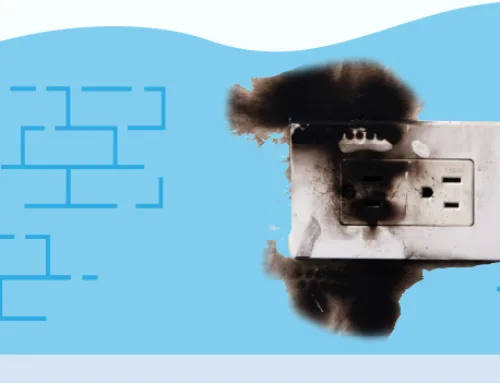
- Warm or discolored outlets
- Buzzing sounds from outlets or panels
- Power cutting out in certain areas
After Major Storms or Power Surges
In many Midwest areas, strong storms, lightning, or sudden outages can stress your electrical system. An inspection can help check for damage that is not immediately visible.
If You Rely on Extension Cords or Power Strips Often
If you find yourself using extension cords as a long-term solution, it may mean your home does not have enough outlets or circuits for your needs. This can point to a system that needs updating.
When Adding New Technology or Home Office Equipment
More devices, work-from-home setups, and smart home technology can increase your home's electrical demand. An inspection helps confirm your system can keep up.
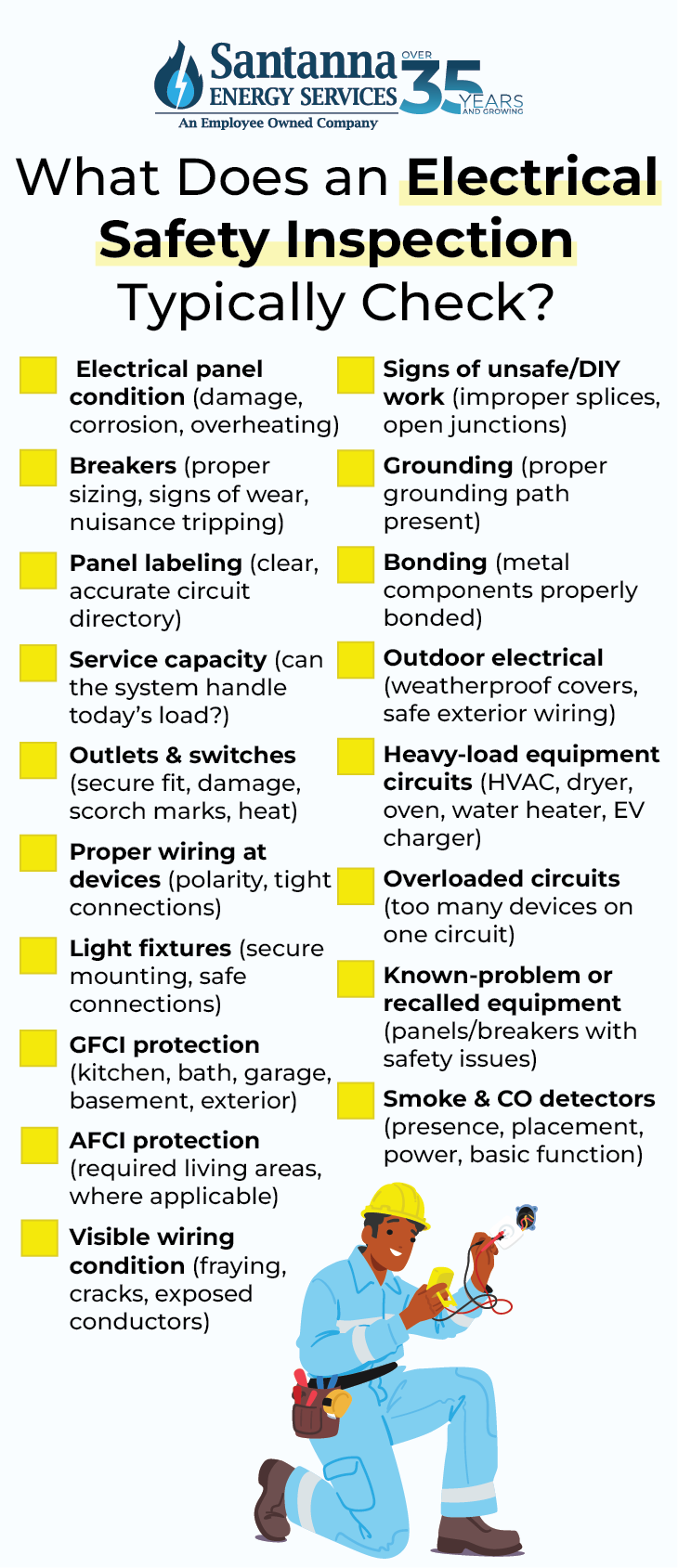
What Does an Electrical Safety Inspector Check During a Home Electrical Safety Inspection?
An electrical safety inspector checks the main parts of your home's electrical system to make sure they are safe, working properly, and able to handle the way your household uses electricity every day.
The goal is not just to find obvious problems. It is also to catch hidden issues that may not be easy to notice, like aging wiring, loose connections, overloaded circuits, or outdated safety protections. In many homes, especially older ones, these issues can build up quietly over time.
A licensed electrician will usually look at the parts of your system that affect safety, reliability, and everyday performance. Let's walk through the main areas electrical safety inspectors typically check in your home:
Electrical Panel and Circuit Breakers
The electrical panel and circuit breakers are some of the first things an inspector will check because they control how electricity is distributed throughout your home. They look for signs of wear, overheating, rust, loose connections, and whether the panel appears properly labeled. They also check whether the system can handle your home's current electrical use.
This part of the inspection is important because an outdated or strained panel can lead to power interruptions, frequent breaker trips, or safety risks.
It also affects whether your home can support modern appliances and upgrades without overloading the system, whereas an outdated panel can increase your electricity bill.
Outlets, Switches, and Light Fixtures
Inspectors check outlets, switches, and light fixtures to make sure they are working safely and are installed correctly. They look for loose outlets, damaged covers, signs of heat, improper wiring, or fixtures that do not seem secure. In kitchens, bathrooms, garages, and outdoor areas, they also check for proper outlet protection.
Electrical Wiring
Wiring is checked for visible damage, wear, exposed sections, poor connections, or signs that older materials may still be in use. Older homes, especially those built in the 1980s, may have wiring that is no longer well-suited for modern electrical demand, as they were built for fewer appliances and lower power use than what most homes need today.
Since wiring carries electricity throughout your entire home, any damage or outdated materials can create hidden safety risks or make your system less reliable over time.
Safety Device Verification
Safety devices help reduce the risk of electrical shock and fire, so inspectors check whether these protections are present and working where they should be. This may include GFCI protection in wet or damp areas, which helps shut off power quickly to prevent electric shock, and AFCI protection in certain living spaces, which helps detect electrical sparks that could lead to a fire.
These devices are one of the main layers of protection in your home. Without them, everyday situations, like using appliances near water or damaged wiring, could become more dangerous.
Recalled Equipment
Some older electrical panels, breakers, or components have a history of safety problems, such as failing to trip during an overload or having protective features that may not work properly. Inspectors may look for equipment names or models that are known to have these issues.
Smoke and Carbon Monoxide Detectors
Smoke and carbon monoxide detectors are part of overall home safety, so inspectors may check whether they are present, properly placed, powered correctly, and working as expected.
While they are not part of the wiring itself, they are critical for alerting you during emergencies. Making sure they are working properly adds another layer of protection for your home and family.
Grounding and Bonding
Grounding and bonding help direct electricity safely and reduce the risk of shock. An inspector checks whether your system appears to be properly grounded and whether important metal parts are connected as they should be.
This helps protect both you and your appliances. Without proper grounding, electrical faults can become more dangerous and harder to control.
Outdoor System Check
Outdoor electrical parts are exposed to weather, moisture, and temperature changes, so they often need special attention. Inspectors may examine exterior outlets, outdoor lighting, disconnect boxes, and wiring connected to garages, sheds, or other outdoor areas.
Electrical Devices and Appliances
Inspectors may also look at major appliances or electrical devices that place heavier demand on the system, especially if there are signs that a circuit is overloaded. This can include items such as dryers, ovens, HVAC equipment, water heaters, or EV chargers.
When your system is handling more than it was designed for, it can lead to strain over time. An inspection helps confirm whether your setup can safely support how your home currently uses energy.
What Happens During a Home Electrical Safety Inspection?
During a home electrical safety inspection, a licensed electrician checks the main parts of your electrical system to see whether everything is safe, working properly, and able to support the way your household uses electricity.
To give you a better idea of what to expect, here are the typical steps an electrician will walk through during the inspection:
Step 1: Initial Walkthrough
The inspection often begins with a quick walkthrough of the home. The electrician may ask whether you have noticed anything unusual, like flickering lights, buzzing sounds, warm outlets, or breakers that trip often. This gives them a better sense of where to pay closer attention.
Step 2: Panel Check
One of the main stops is the electrical panel. The electrician checks the condition of the panel, the breakers, and the connections inside. They look for signs of wear, overheating, rust, loose wiring, or anything that suggests the panel may be outdated or struggling to keep up with your home's electrical demand.
Step 3: Room-by-Room Testing
Next, the electrician usually moves through the home to check outlets, switches, and light fixtures. They may test whether outlets are grounded properly, whether switches are working the way they should, and whether anything shows signs of damage or unsafe installation.
Step 4: Safety Device Testing
Safety devices are also checked to make sure they are in place and working properly. This can include GFCI outlets in areas like kitchens, bathrooms, garages, and outdoor spaces, along with other built-in protections that help reduce the risk of shock or electrical fire.
Step 5: System Evaluation
As the inspection continues, the electrician looks at how the system works as a whole. They consider whether the home's electrical setup can support your current needs, especially if you have newer appliances, home office equipment, or an HVAC upgrade.
Step 6: Findings and Next Steps
At the end, the electrician usually explains what they found. Some homes may only need reassurance that everything looks good, while others may have a few items that need repair or updating. The goal is to give you a clearer picture of your home's electrical safety and help you understand what, if anything, should be addressed next.
Now that you know what happens during an inspection, you may be wondering how long it usually takes.
How Long Does an Electrical Inspection Usually Take?
Home electrical safety inspections take about 1 to 2 hours for a 1,000 to 2,000-square-foot home.
Larger homes, such as those over 2,500 square feet, may take longer because there are more rooms, outlets, and circuits to check. Smaller homes or condos may take less time if the system is simpler and easier to access.
The total time of electrical inspection can vary based on a few key factors:
- Home size and layout: Larger homes take longer since there are more rooms, outlets, and circuits to check.
- Age of the home: Older homes may need a closer look because wiring and components can wear down over time.
- Accessibility: If the panel, outlets, attic, or basement are easy to reach, the inspection can move faster.
- Condition of the system: If there are visible issues or past repairs, the electrician may spend more time checking everything carefully.
- Number of upgrades: Homes with added features like EV chargers, HVAC upgrades, or extra circuits may take longer to review.
- Known concerns: If you have noticed things like flickering lights or breakers tripping, extra time may be needed to find the cause.
In most cases, the inspection is completed in a single visit.
What Are Common Electrical Problems Found During an Inspection?
Common electrical problems found during an inspection usually involve outdated equipment, missing safety protection, or systems that are working harder than they were designed to.
To give you a clearer picture, here are some of the most common problems electricians find during an inspection:
- Outdated electrical panels
- Missing GFCI protection
- Overloaded circuits
- Improper or DIY wiring
- Ungrounded outlets
- Worn or damaged wiring
- Loose connections and heat buildup
- Lack of capacity for modern energy use
These findings are more common than you might expect and are often fixable. The real value of the inspection is catching them early, before they start affecting your safety, comfort, or how reliably your home runs day to day.
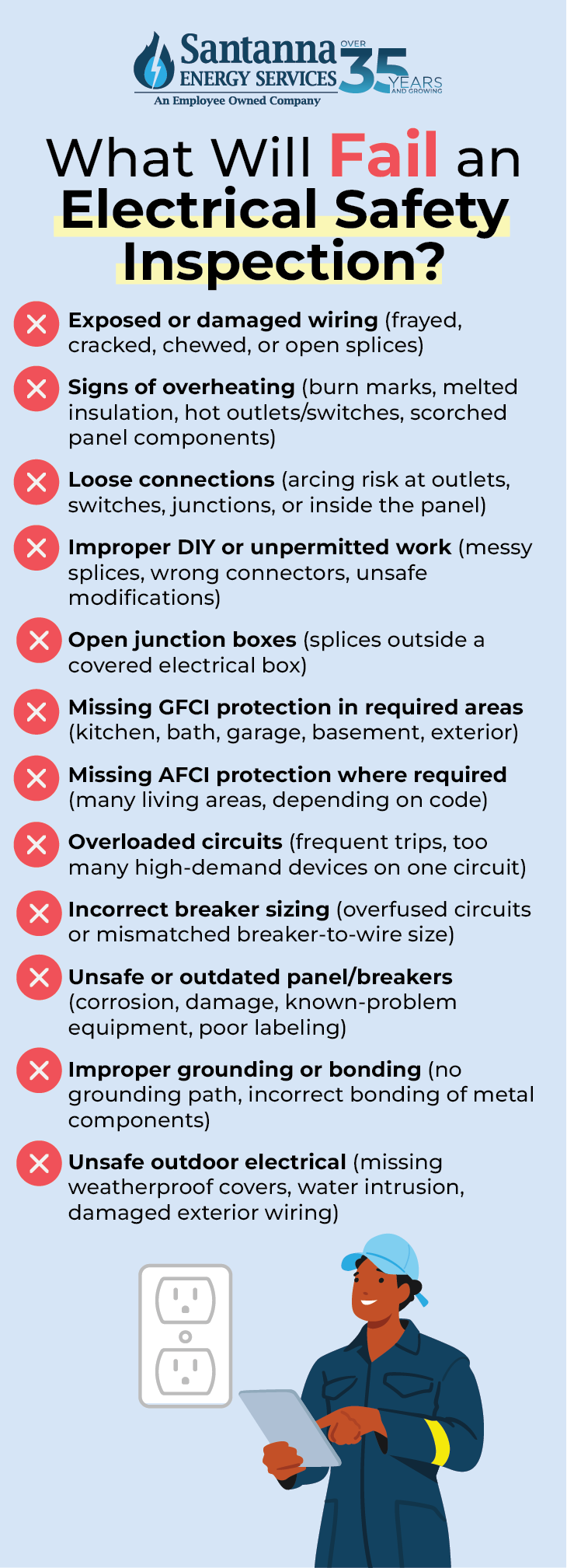
What Will Fail an Electrical Inspection?
An electrical inspection will usually fail when the inspector finds safety hazards or serious problems that need attention before the system can be considered safe.
That does not always mean the home is immediately unsafe to live in. In many cases, it simply means that parts of the electrical system need to be repaired, updated, or brought into compliance with current safety standards before moving forward with a sale, renovation, or approval process.
Here are some of the most common reasons an inspection may not pass:
Clear Safety Hazards
Safety hazards are usually the biggest reason a home fails an electrical inspection. This can include exposed wires, signs of overheating, damaged outlets, scorched components, or anything that creates a clear risk of shock or fire.
Severely Damaged Wiring
Wiring that is badly worn, frayed, exposed, or deteriorating can lead to failure. If the inspector sees signs that wires are no longer in a safe condition, that usually needs to be addressed before the system can be considered reliable.
Overloaded Circuits or Panels
A system may fail if the panel or circuits appear overloaded or unable to safely support the home's electrical demand. This can happen in homes that have added more appliances, equipment, or updates over time without enough electrical capacity to match.
Missing or Inadequate Safety Protection
If important safety protections are missing, such as GFCI outlets in areas where moisture is present, that can also be flagged. These features are there to reduce the risk of shock and are a common focus during inspections.
Unsafe Past Electrical Work
Improper electrical work from past repairs or DIY projects can cause an inspection to fail. Loose connections, poorly installed outlets, or wiring methods that do not appear safe are common examples.
Serious Panel or Breaker Concerns
Panels or breakers that show signs of overheating, corrosion, damage, or known safety concerns may also be reasons for failure. Since the panel is the center of the system, problems there tend to carry more weight.
Code-Related Concerns
Some homes fail because parts of the system do not meet current safety requirements. This does not mean every older home must be completely rebuilt, but if the inspector finds issues that raise safety concerns, they may note them as problems that need correction.
What Happens After a Home Electrical Safety Inspection?
After a home electrical safety inspection, you usually receive a report or summary that explains what the electrician found, what needs attention now, and what may be worth planning for later.
The electrician may also walk you through the results and answer any questions you have. This is a good time to ask for clarification, especially if something is unfamiliar or if you are deciding what to prioritize. In many cases, not everything needs to be fixed right away, and the report helps you make those decisions based on your budget and timeline.
For safety-related issues, it is usually recommended to address them within a few days to a couple of weeks, depending on how serious they are. Less urgent updates can often be planned over several weeks or months.
If the inspection is part of a home purchase, repair timing often depends on the inspection contingency period or the timeline set in the purchase contract. If it is part of a renovation, repairs may need to be completed before the project can move forward or pass final approval.
A follow-up inspection is not always required, but it may be recommended if major repairs are made or if confirmation is needed that the issues have been properly addressed.
If you are buying or selling a home, the report can also help guide your next steps. It can be used to request repairs, plan updates, or avoid delays during the process.
What matters most is that you leave with a clear understanding of what is working, what needs attention, and what you may want to plan for next. Instead of guessing, you can move forward with more confidence in your home.
How Often Should You Schedule an Electrical Inspection?
Most homes should have an electrical inspection every 3 to 5 years to help catch wear, aging parts, or safety issues before they become bigger problems.
If your home is older, especially around 40 years old or more, it is often wise to schedule an inspection every year because aging wiring, older panels, and worn connections are more likely to develop issues over time, even if everything seems to be working normally.
It is also a good idea to schedule an inspection after major upgrades or renovations. If you have added new appliances, remodeled part of the home, upgraded your HVAC system, or installed something like an EV charger, an inspection can help confirm your electrical system is still handling the added demand safely.
How Much Does a Home Electrical Inspection Cost?
A home electrical safety inspection typically costs between $150 and $500, depending on the size of the home, the age of the system, and how detailed the inspection is.
Smaller homes or condos with simpler systems are usually on the lower end of that range. Larger homes or older properties may cost more because there are more areas to review, and the electrician may need to spend extra time checking aging wiring, panels, or past updates.
Other factors that can affect cost include how easy it is to access your system, whether there are known issues to look into, and whether the inspection is part of a home sale or a routine check.
Can a Home Electrical Safety Inspection Help Lower Your Energy Bill?
A home electrical safety inspection can help lower your energy bill indirectly by identifying electrical problems that may affect how efficiently your home uses power.
The inspection itself does not reduce your bill, and it is not the same as an energy audit. But it can uncover problems like overloaded circuits, loose connections, outdated panels, or wiring that no longer meets your home's electrical needs.
When parts of the system are under strain, appliances and equipment may not run as reliably as they should. In some homes, this can make it harder to support modern upgrades like newer HVAC systems, large appliances, or EV chargers in the most efficient way.
For example, if an inspector finds loose or damaged wiring, electricity may not flow as efficiently, and some energy can be lost as heat. In a typical home, this could add an estimated $5 to $15 per month in unnecessary electricity use. Fixing the issue can help your system run more smoothly and avoid that extra cost over time.
An inspection can also help you plan ahead. If you are thinking about adding an electric dryer, upgrading your HVAC system, or installing an EV charger, knowing your system's condition helps you make better decisions before problems show up.
So, while the main goal is safety and reliability, it can also support better energy use by uncovering issues that may be quietly increasing your costs.
How Electrical Inspections Affect Energy Use and Efficiency
Electrical inspections can help improve energy use and efficiency by finding issues that may be making your system work harder than it should.
While the main goal is safety, an inspection can also show where electricity is not flowing as smoothly as it could. When those issues are fixed, your system can run more consistently and support your appliances more effectively.
Here are some common issues that can affect your energy use:
- Loose wiring or connections: When electricity does not flow cleanly, some energy can be lost as heat, which can make parts of your system less efficient over time.
- Overloaded circuits: When too many devices share one circuit, it can cause uneven performance, frequent breaker trips, and added strain on your appliances.
- Older systems: Outdated panels or wiring may not handle modern energy demand well, making it harder to fully benefit from newer, energy-efficient upgrades.
In most homes, these issues are not obvious day to day. But an inspection helps bring them to light, so you can better understand how your electrical system is performing and whether it is keeping up with your current energy use.
How To Prepare for a Home Electrical Safety Inspection
You can prepare for a home electrical safety inspection by making key areas accessible and sharing any concerns so the electrician can review your system more efficiently.
The goal is not to fix anything yourself. It is simply to help the inspection go smoothly and make sure nothing important is missed.
To help you get ready, here are a few simple ways to prepare for a home electrical safety inspection:
Clear Access to the Electrical Panel
Make sure the area around your electrical panel is easy to reach. Move any boxes, storage items, or furniture that may block access so the electrician can safely open and examine it.
Make Outlets and Switches Easy to Reach
Inspectors will need to check outlets, switches, and light fixtures throughout your home. Clearing space around them helps save time and allows for a more complete inspection.
Check Access to Basement, Attic, or Crawl Spaces
If parts of your wiring are located in a basement, attic, or crawl space, make sure those areas are accessible. These spaces often give clues about the condition of your wiring and connections.
List Any Issues You Have Noticed
Take a moment to write down anything unusual you have experienced, such as flickering lights, breakers that trip often, buzzing sounds, or outlets that feel warm. Sharing this helps the electrician focus on areas that may need closer attention.
Gather Information About Past Electrical Work
If you have records of previous upgrades, repairs, or installations, it can be helpful to share them. This gives context about how your system has changed over time.
Secure Pets
If you have pets, it is a good idea to keep them in a safe area during the inspection. This helps the electrician move through the home without interruptions.
Preparing for an inspection is simple, but it can make a big difference. It helps the electrician work more efficiently and gives you a clearer, more complete understanding of your home's electrical system.
FAQs
Can You Do an Electrical Inspection Yourself?
No, you can only check for basic visible issues, but a full electrical inspection should be done by a licensed electrician to safely assess wiring, panels, and system conditions.
What Is the Difference Between a Home Inspection and an Electrical Inspection?
A home inspection reviews the overall condition of the property, while an electrical inspection focuses specifically on the safety and function of the electrical system.
What's the Difference Between a Home Energy Audit and a Home Electrical Safety Inspection?
A home energy audit focuses on how efficiently your home uses energy and where you can reduce energy waste, while a home electrical safety inspection checks whether your electrical system is safe, properly functioning, and up to standard.
Is an Electrical Inspection Required When Buying a Home?
An electrical inspection is not always required when buying a home, but it is strongly recommended to identify potential safety issues before closing.
A home electrical safety inspection is one of the simplest ways to protect your home, your family, and your everyday comfort. It gives you a clearer picture of what is happening behind your walls, helps you catch issues early, and gives you peace of mind knowing your system is safe and dependable.
Once everything is running the way it should, your home is better prepared to support reliable energy use and modern needs.
And when your home's electrical foundation is solid, it is a great time to take the next step and look at how your energy supply supports your home. Choosing an energy plan that offers more peace of mind and predictability can help you stay ahead of seasonal spikes and better manage your monthly costs.
If having fewer surprises on your bill matters to you, Santanna's Unlimited Energy plan can help you experience predictable supply charges and better manage your monthly energy costs.*
* Restrictions apply. Enrollment based upon program eligibility. Customers using more than 125% of normal monthly usage as determined by Santanna may be required to switch plans.
Tyler is an experienced energy professional, having worked for Santanna Energy Services, for the past four years. He is passionate about renewable energy and believes that diversifying the energy grid is the key to a sustainable future. Tyler is dedicated to supplying consumers with the best possible energy solutions and works diligently to make sure that Santanna can deliver the highest quality service.