
What Are Distributed Energy Resources and Why Do They Matter for Homeowners?

by Tyler Castle
Updated: September 1, 2026
11.3 min read
Key Points of This Article:
- Distributed Energy Resources (DERs) are technologies that generate, store, or manage electricity close to where it's used, helping create a more flexible electric grid.
- Common examples of DERs include rooftop solar panels, home battery systems, smart thermostats, electric vehicles, and backup generators.
- DERs can help homeowners gain more control over their energy use, support renewable energy, and may reduce electricity costs depending on the technology and available incentives.
The way electricity is generated and managed is changing. As smart energy technologies continue to grow in popularity, you may hear the term Distributed Energy Resources (DERs) more often.
While the name may sound technical, the concept is relatively simple: many of the devices people use every day are helping create a smarter, more flexible, and more connected energy system.
What does Distributed Energy Resources (DERs) mean for you and your home and how can you benefit from it? You've come to the right place.
In this guide, we'll explain what they are, how they work, and why they matter for homeowners as the energy landscape continues to evolve.
What Are Distributed Energy Resources?
According to the U.S. Department of Energy, a Distributed Energy Resource (DER) is a small-scale technology that generates, stores, or helps manage electricity.
Unlike traditional power plants that produce electricity from one central location, DERs are spread across homes, businesses, and communities and help create a smarter and more flexible energy grid by pitching in their extra energy or lowering their energy use when your local grid is strained.
Chances are, you may already own a Distributed Energy Resource. If you have a smart thermostat, an electric vehicle, or rooftop solar panels, you're already participating in the shift toward a smarter electric grid, even if you've never heard the term "DER."
All DER distributed energy resources play an increasingly important role in improving grid reliability, supporting renewable energy, and giving consumers greater control over how they use electricity.
How Do Distributed Energy Resources Work?
While Distributed Energy Resources come in many different forms, they all serve a similar purpose: generating, storing, or managing electricity closer to where it is used to create a more reliable energy grid.
Instead of relying entirely on electricity from large, centralized power plants, DERs help produce or manage electricity at homes, businesses, and communities.
For example, rooftop solar panels generate electricity on-site, home batteries store energy for later use, and smart devices can automatically reduce electricity use during periods of high demand. Together, these technologies help create a more flexible and efficient electric grid.
Why Are Distributed Energy Sources Important?
Imagine the electric grid like a busy highway. Most of the time, traffic flows smoothly, but during rush hour, too many cars trying to use the road at once can cause congestion.
The electric grid works much the same way. During periods of high electricity demand, such as hot summer afternoons when millions of air conditioners are running, the grid experiences its own version of rush hour.
Distributed Energy Resource Management Systems help open another lane. Technologies like rooftop solar panels, home batteries, electric vehicles, and smart devices generate, store, or shift electricity closer to where it's needed. By reducing the amount of electricity that must travel across the grid during peak demand, DERs help reduce strain on power infrastructure, improve reliability, and can even delay the need for costly new power plants and transmission lines.
One of the biggest advantages of DERs is improved grid reliability. Because electricity can be generated, stored, and managed closer to where it is used, communities may be better equipped to handle periods of high energy demand or unexpected disruptions.
DERs also play an important role in supporting renewable energy. Technologies like rooftop solar panels and battery storage help make it easier to capture and use clean energy and you can potentially save money while supporting Distributed Energy Resources too.
Experts at Stanford University estimate that 60% of families could reduce their electricity costs by 15% on average by installing a solar-battery system.
For homeowners, DERs can provide greater visibility and control over energy use. Smart devices such as connected thermostats and water heaters help manage electricity consumption more efficiently, while technologies like home batteries and Virtual Power Plants can help support the grid when thousands of systems work together.
What Makes an Energy Resource "Distributed"?
In order for an energy source to be considered "distributed," a device must generate, store, or help manage electricity close to where that energy is used, instead of relying only on power from a large, centralized plant.
For example, a home with rooftop solar panels may produce more electricity than it needs during a single afternoon. In some cases, that extra energy can be sent back to the local grid, helping support nearby homes and businesses.
Common Examples of Distributed Energy Resources
You may not realize it, but many homes already use Distributed Energy Resources. As energy technology continues to evolve, DERs are becoming more common in everyday life.
At Santanna Energy Services, we've seen growing homeowner interest in technologies like smart thermostats, electric vehicles, and home battery systems as customers look for more ways to manage their energy use.
To give you a sense of how common Distributed Energy Resources are becoming, according to Environment America.org, in 2025, one out of every 30 residential electricity customers power their homes with solar energy.
Similarly, in a recent Santanna Energy Experts survey, nearly one in three employee-owners (29%) said they already use a smart thermostat, one of the most common types of Distributed Energy Resource Management Systems found in today's homes.
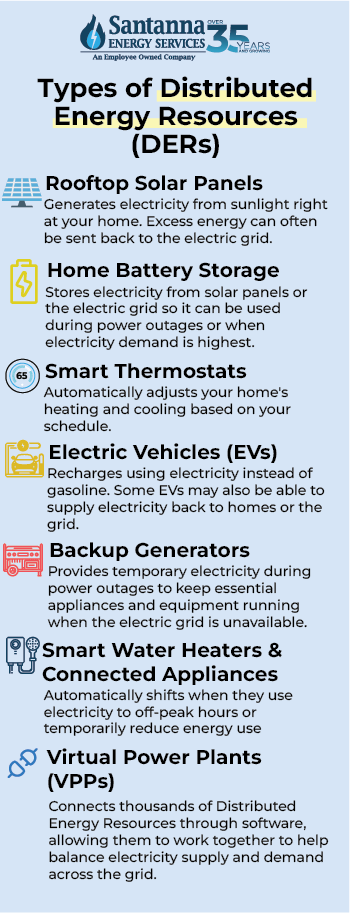
Let's take a look at some of the most common DER's you can install in your home:
Rooftop Solar Panels
One of the most recognizable examples of a DER is rooftop solar panels. Rooftop solar panels allow you to generate electricity right from your home, and depending on the system and local utility programs, excess electricity may even be sent back to the grid.
Home Battery Storage
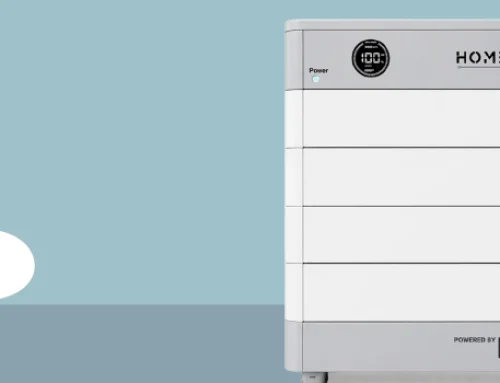
Home battery systems store electricity for later use, whether it's generated by solar panels or power drawn from the grid during lower-demand periods. They can provide backup power during outages.
Electric Vehicles (EVs)
Electric vehicles are more than just transportation. Because they store large amounts of electricity in their batteries, EVs are increasingly becoming part of the modern energy ecosystem. As technology advances, some EVs may even be able to send electricity back to homes or the grid when needed.
Smart Thermostats
Smart thermostats automatically adjust heating and cooling based on your preferences and energy demand. By helping reduce electricity use during peak hours, they can play an important role in creating a more efficient electric grid.
Smart Water Heaters
Like smart thermostats, connected water heaters can adjust when they use electricity, helping homeowners better manage energy consumption while supporting grid stability.
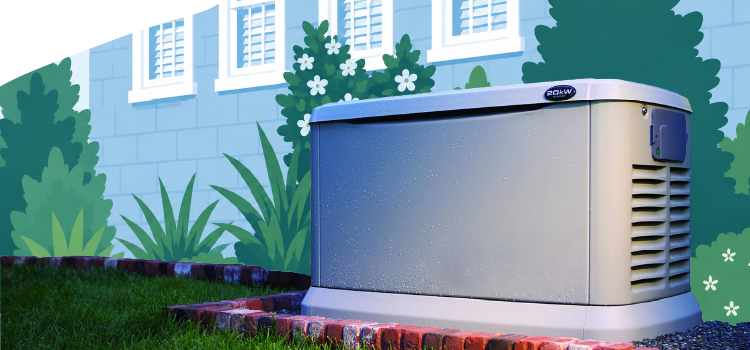
Backup Generators
Backup generators can also qualify as a DER Distributed Energy Resource because they provide localized electricity generation. While some run on renewable fuels, most still use traditional fuels such as natural gas or diesel.
Microturbines
Microturbines are small-scale generators that produce electricity close to where it is used. They can operate using fuels such as natural gas or renewable biogas and are often used by homeowners as well as businesses, industrial facilities, and critical infrastructure that require reliable, on-site power generation.
Are Distributed Energy Resources Renewable?
Not all Distributed Energy Resource Systems are renewable, but many of the most common examples are closely tied to support clean energy like rooftop solar panels, community solar projects, some battery storage systems paired with renewable energy and small-scale wind turbines.
A Distributed Energy Resource is defined by where and how it generates, stores, or manages electricity, not necessarily by the fuel it uses.
However, Distributed Energy Resources can have some positive environmental impacts like lower emissions by reducing centralized generation, supporting renewable energy use, and can reduce energy waste, according to the Environmental Protection Agency.
What is the Payback Period for Common DERs?
The amount of time it takes to recover the upfront cost of a DER varies based on location, energy usage, utility programs, and available incentives. In general:
| Technology | Typical Payback Period* |
| Smart Thermostat | 1-3 years |
| Home Battery Storage | 10-15 years |
| Rooftop Solar Panels | 6-10 years |
| Electric Vehicle | Varies significantly based on driving habits and fuel savings |
*Actual payback periods vary by state, utility, incentives, and individual circumstances.
Distributed Energy Resources vs. Virtual Power Plants
While Distributed Energy Resources (DERs) and Virtual Power Plants (VPPs) are closely related, they are not the same thing.
A Distributed Energy Resource is an individual technology that generates, stores, or helps manage electricity close to where it is used. Rooftop solar panels, home battery systems, electric vehicles, and smart thermostats are all common examples of DERs.
A Virtual Power Plant connects many of these individual resources through software and communication technology so they can work together as one coordinated system. Instead of operating independently, participating DERs can collectively help balance electricity supply and demand, and support the electric grid.
Put simply, DERs are the individual pieces, and a VPP is the system that connects and coordinates these pieces. Think of it this way: if DERs are individual musicians, a Virtual Power Plant is the conductor that helps them play together.
Benefits of Distributed Energy Resources
Distributed Energy Resources can provide several benefits for homeowners, businesses, utilities, and the electric grid, including:
- Improved grid reliability: Distributing energy generation across many smaller resources can support a more resilient electric grid.
- Potential cost savings: Some DERs can help lower electricity costs through energy efficiency improvements, reduced energy consumption, or utility-backed participation incentive programs.
- Greater energy flexibility: Technologies like battery storage and smart devices allow energy to be stored, managed, and used more efficiently.
- Support for renewable energy: DERs make it easier to integrate renewable resources like solar energy into the electric grid.
- Enhanced energy resilience: Localized energy generation and storage can help communities better withstand certain grid disruptions and changing energy demands.
Challenges of Distributed Energy Resources
While Distributed Energy Resource Systems also present several challenges. They include:
- Upfront Costs: Technologies like rooftop solar panels, battery storage systems, and electric vehicles often require a significant initial investment.
- Grid Coordination: As more DERs are adopted, utilities and grid operators must manage a growing network of interconnected energy resources.
- Variable Energy Production: Some DERs, such as solar panels, depend on factors like weather and time of day, which can affect electricity generation.
- Regulatory and Program Differences: Incentives, interconnection requirements, and utility programs can vary by state, utility, and community.
- Infrastructure Needs: Expanding DER adoption often requires continued investment in grid technologies, and supporting infrastructure.
Despite these challenges, continued investment in technology, infrastructure, and grid modernization is helping make DERs more practical and accessible. As adoption grows, many experts believe DERs will play an increasingly important role in supporting a reliable, flexible, and resilient energy future.
How Can Homeowners Know if Distributed Energy Resources Make Sense for Them?
Not every Distributed Energy Resource is the right fit for every household. The potential benefits of DERs often depend on factors such as: the home's energy usage, budget, location, and long-term goals.
Homeowners will want to consider questions such as:
- How much electricity does my household use? Homes with higher energy consumption may have more opportunities to benefit from certain DER technologies.
- Am I looking to lower energy costs over time? Some technologies may offer long-term savings, although payback periods can vary.
- Would backup power provide peace of mind? Battery storage systems may be valuable for homeowners who want additional energy resilience during storms or outages.
- Are there incentives available in my area? Utility programs, tax credits, and state incentives can affect the cost, payback period, and potential value of some DER technologies.
- How long do I plan to stay in my home? Because some DERs are an upfront investment, homeowners may want to consider their long-term plans before adopting new technologies.
Ultimately, the best DER solution depends on a homeowner's individual needs and priorities. For some households, a smart thermostat or participation in utility programs may make sense, while others may benefit from technologies like rooftop solar panels, battery storage, or electric vehicles.
Frequently Asked Questions About Distributed Energy Resources
What qualifies as a Distributed Energy Resource?
A Distributed Energy Resource (DER) is a technology that generates, stores, or helps manage electricity close to where it is used. Unlike traditional power plants, DERs operate at homes, businesses, or community locations rather than from a centralized generation facility.
What is the difference between a DER and a microgrid?
A DER is an individual energy resource, such as a solar panel system, battery, smart thermostat, or smart water heater. A microgrid is a localized energy network that may combine multiple DERs and can sometimes operate independently from the main electric grid.
Are DERs good for the environment?
Many Distributed Energy Resources support renewable energy and energy efficiency initiatives but there are some drawbacks like any energy source. Technology such as solar panels, battery storage systems, and smart energy management devices can help reduce energy waste and support cleaner energy generation.
Do Distributed Energy Resources work during power outages?
Some Distributed Energy Resources can continue providing power during an outage, but it depends on the specific technology and system design. For example, battery storage systems and certain microgrids may provide backup power, while standard grid-connected solar systems are often designed to shut down during outages for safety reasons.
Tyler is an experienced energy professional, having worked for Santanna Energy Services, for the past four years. He is passionate about renewable energy and believes that diversifying the energy grid is the key to a sustainable future. Tyler is dedicated to supplying consumers with the best possible energy solutions and works diligently to make sure that Santanna can deliver the highest quality service.