
Air Conditioner Short Cycling: Causes, Fixes, and What It Means

by Tyler Castle
Updated: July 28, 2026
13.4 min read
Key Points of This Article:
- Air conditioner short cycling happens when an AC system turns on and off too quickly instead of completing a normal cooling cycle, which can leave the home warm, humid, or uncomfortable.
- Common causes of air conditioner short cycling include dirty air filters, thermostat problems, low refrigerant, frozen coils, oversized equipment, blocked vents, and electrical or component issues.
- Short cycling can increase electricity bills, reduce cooling efficiency, and add wear to important parts like the compressor, blower motor, and electrical controls.
You lower the thermostat, hear the AC kick on, and think the house should start cooling down soon. But a few minutes later, the system shuts off, then turns right back on again, and the house still feels warm, humid, or uncomfortable. Sound familiar?
For many homeowners, this is one of the first signs of air conditioner short cycling, a problem that can quietly affect both home comfort and electricity use during the hottest parts of summer.
You're not alone if you've noticed this happening. In a recent internal survey, 53% of respondents said they've experienced their air conditioning systems turning on and off more frequently than expected.
While it can be frustrating when your AC never seems to settle into a normal cooling cycle, short cycling is often easier to understand once you know what signs to look for and what may be happening behind the scenes.
In this guide, we'll explain what air conditioner short cycling is, what causes it, how it can affect your electricity bill, what you can safely check yourself, and when it's time to call an HVAC professional. Let's get started.
What Is Air Conditioner Short Cycling?
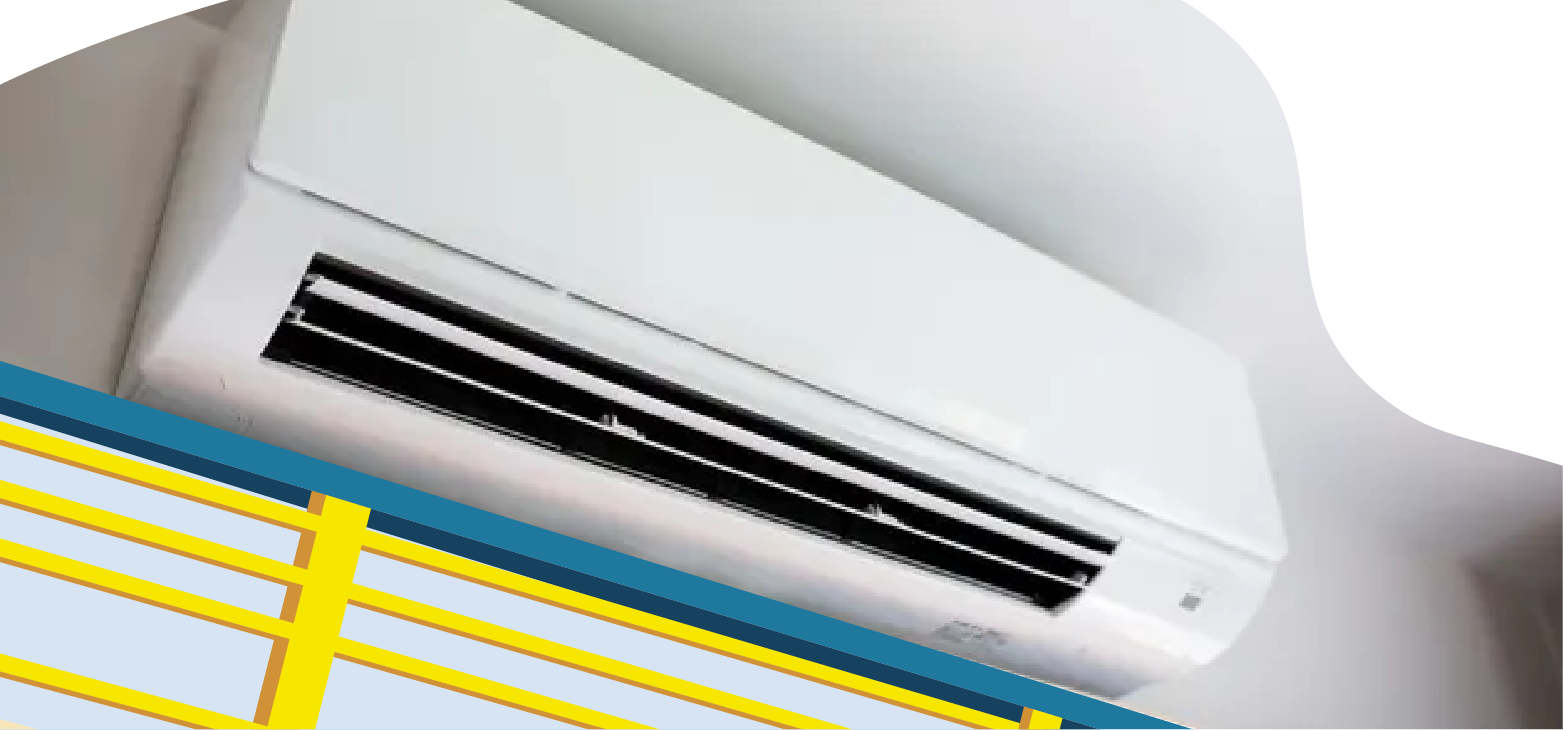
Air conditioner short cycling happens when your AC keeps turning on and off too quickly without fully cooling your home. Instead of running long enough to reach the temperature you set, the system shuts off early, turns back on a few minutes later, and keeps repeating the cycle.
According to Lennox, a properly functioning air conditioner will usually run for about 10 to 20 minutes per cycle, depending on outdoor temperatures, humidity levels, thermostat settings, and how warm the house is.
During hot summer days, longer cooling cycles can also be completely normal because the system has to work harder to keep the home comfortable.
What Actually Caused Short Cycling for Our Employee-Owners?
We asked our employee-owners who had experienced air conditioner short cycling what ultimately caused it. Here's what they discovered:
- About one-third of respondents said the issue with their short cycling air conditioner was ultimately traced to a thermostat problem.
- One in nine respondents identified a dirty air filter restricting airflow.
- Some respondents discovered their ceiling insulation was causing upstairs rooms to overheat, making the cooling system run more frequently.
- 11% of respondents said an older air conditioner was the primary cause.
- Other respondents mentioned AC coil issues.
Signs Your Air Conditioner May Be Short Cycling
Here are some common signs your air conditioner may be short cycling:
- Your AC keeps turning on and off every few minutes
- Your home never seems to fully cool down
- Certain rooms feel warmer than others
- The air inside feels humid or clammy
- Your electricity bill suddenly seems higher than normal
- The system sounds like it is constantly restarting
- Frequent clicking noises coming from your AC unit
The longer the issue continues, the harder your system may have to work to keep your home comfortable.
Why Is My Air Conditioner Short Cycling?
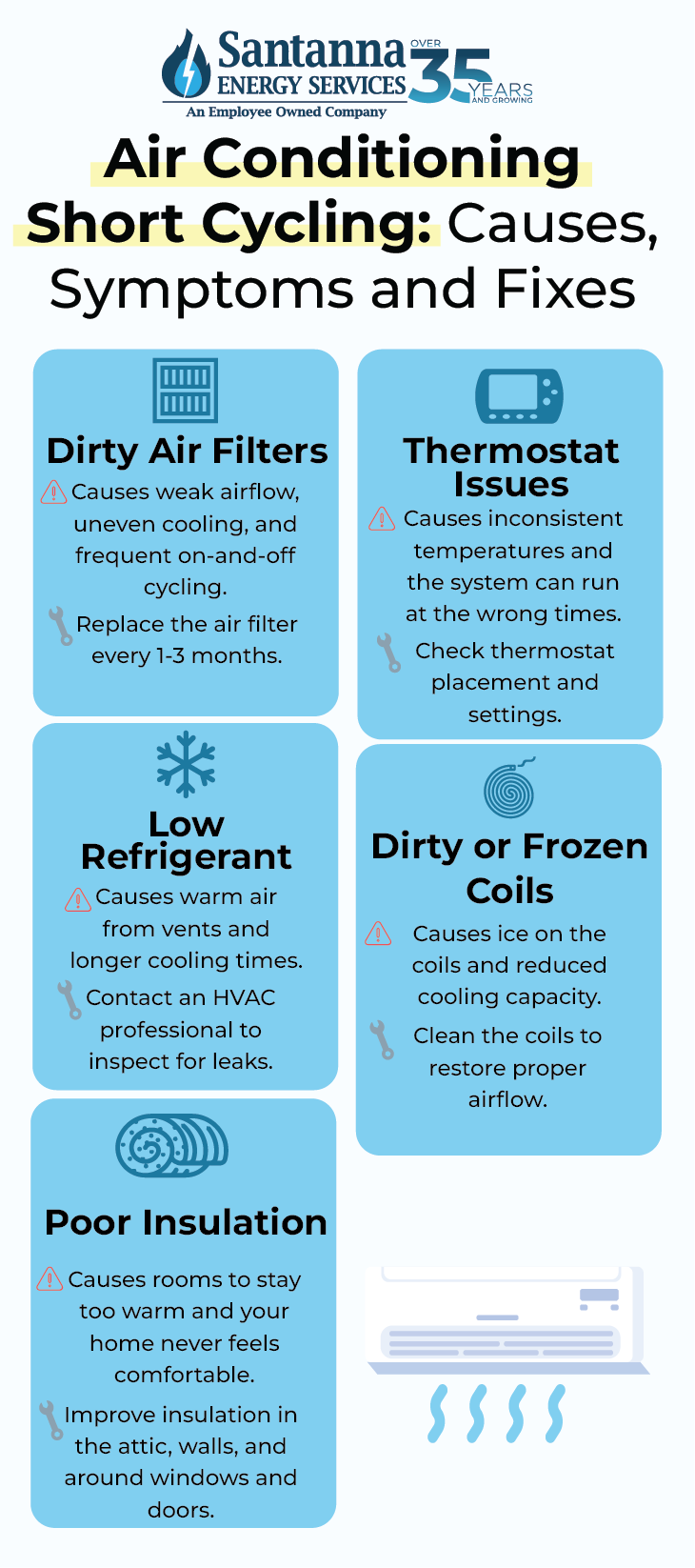
Air conditioner short cycling can happen for several different reasons, ranging from simple airflow problems to larger cooling system issues that may require professional repair. Some causes are relatively easy and inexpensive to fix, while others can slowly reduce comfort, increase electricity usage, and place extra strain on your AC system over time.
Here are some of the most common reasons an air conditioner may short cycle:
Dirty Air Filters Restrict Airflow
Dirty air filters are one of the most common causes of air conditioner short cycling because clogged filters can make it harder for air to move properly throughout the home.
When airflow becomes restricted, the AC system may struggle to complete a normal cooling cycle and may shut off too early before restarting.
Over time, this can reduce cooling efficiency and make the system work harder than necessary. Some homeowners may notice weaker airflow, rooms that never seem fully comfortable, or higher electricity usage during periods of heavy AC use.
Thermostat Problems Cause Incorrect Temperature Readings
Thermostat issues can sometimes cause short cycling if the thermostat is reading temperatures incorrectly inside the home.
In our internal survey, we found that nearly 33% of respondents said the reason their air conditioning short cycled ultimately traced back to an old or faulty thermostat rather than the air conditioner itself.
In some homes, the problem may be simply where the thermostat is located. A thermostat located near a warm area may quickly reach the target temperature even though the rest of the home still feels uncomfortable.
Proper thermostat placement and smart thermostat settings may help cooling cycles stay more stable and efficient, especially during hot Midwest summer days when indoor temperatures can vary from room to room.
Low Refrigerant Levels Prevent Proper Cooling
Low refrigerant levels can make it harder for your air conditioner to remove heat from the home properly, which may interrupt normal cooling cycles and cause the system to short cycle.
When refrigerant levels become too low, the AC system may struggle to cool the air efficiently and may repeatedly shut off before reaching the thermostat setting. Some homeowners may notice warm air coming from vents, longer cooling times, or the house feeling less comfortable even while the system is running.
This can also affect electricity usage because the AC system may continue working harder while cooling less effectively. Over time, that extra strain may contribute to higher cooling costs and additional wear on the system.
Frozen Evaporator Coils Interrupt Normal Cooling Cycles
Frozen evaporator coils can interfere with cooling performance and cause your air conditioner to shut off too early and restart repeatedly.
If the coil freezes over, the system may struggle to cool properly and may not finish a full cooling cycle. Even though ice may seem surprising during hot weather, frozen coils are actually a common sign that the system is having trouble moving heat and airflow normally.
Some homeowners may notice weak airflow, warmer indoor temperatures, or visible ice buildup around parts of the system.
Oversized Air Conditioners Shut Off Too Quickly
An oversized air conditioner can short cycle because it cools the home too quickly before completing a full cooling cycle.
Many homeowners assume bigger AC systems cool better, but that is not always true. If the system is too large for the home, it may lower the temperature rapidly and shut off before removing enough humidity from the air.
This can leave the home feeling cool at first but still slightly damp or clammy afterward. Some homeowners may also notice uneven temperatures or the AC constantly turning back on throughout the day.
Electrical Problems or Faulty Components Disrupt AC Operation
Electrical problems inside the cooling system can interrupt normal AC operation and trigger repeated short cycling because the system may struggle to properly start, run, or communicate during normal cooling cycles.
If certain electrical components begin failing, the system may repeatedly shut down or restart unexpectedly instead of running through a normal cooling cycle. In some cases, homeowners may notice unusual noises, buzzing sounds, or inconsistent cooling performance before larger problems appear.
Overheating Furnaces Can Trigger System Shutdowns
In some HVAC systems, overheating of the furnace can affect overall airflow and contribute to short cycling behavior.
This is more common in homes where heating and cooling components share the same ductwork and airflow pathways. If airflow becomes restricted or overheating occurs inside the system, cooling performance may also become disrupted.
Blocked Air Vents Restrict Airflow
Blocked or closed air vents can make it harder for cool air to circulate properly throughout the home.
Some homeowners accidentally block vents with furniture, rugs, curtains, or storage boxes. Others may close vents in unused rooms thinking it will save energy, but this can sometimes create airflow imbalances that affect cooling performance.
When airflow becomes uneven, certain rooms may feel warmer than others while the AC system works harder and cycles more frequently trying to maintain the thermostat setting.
Can Air Conditioner Short Cycling Increase Your Electricity Bill?
Yes, an air conditioner short cycling can add about $17-34 more to a monthly electricity bill because AC systems typically use more energy during startup than during normal steady cooling operation.
For example, let's say a homeowner normally uses around 900 kWh of electricity during a typical summer month. If the air conditioner starts short cycling during a hotter period, the system may run less efficiently, which could increase monthly electricity usage by roughly 90 to 180 additional kWh, depending on how severe the problem becomes and how long it continues.
To get our estimate, we multiplied that usage by the April 2026 average U.S. residential electricity rate of 18.83 cents per kWh, according to the U.S. Energy Information Administration (EIA).
Does Short Cycling Damage an Air Conditioner Over Time?
Frequent short cycling can slowly damage an air conditioner over time because the system experiences repeated stopping and restarting instead of running through normal cooling cycles.
One of the biggest problems with short cycling is that air conditioners work hardest during startup. Every time the system turns back on, important components have to handle another burst of electrical and mechanical strain. When this happens repeatedly throughout the day, wear and tear can build up faster than normal.
Some of the AC components most affected by short cycling include:
- the compressor
- the blower motor
- electrical components and controls
For homeowners, the compressor is especially important because it is one of the most expensive AC components to repair or replace.
If short cycling continues for too long, the added strain may eventually shorten the lifespan of the cooling system or lead to larger repair costs later on.
How To Fix a Short Cycling Air Conditioner
Some air conditioner short cycling problems start with simple airflow or thermostat issues that homeowners can safely check.
Others may point to refrigerant, electrical, compressor, or blower motor problems that require professional HVAC service. Start with the basic checks below, then stop troubleshooting if the system shows safety warning signs or keeps short cycling.
Use this quick sequence before calling for service:
DIY Troubleshooting Checklist
- Turn the system off first. If the AC keeps rapidly turning on and off every few minutes, shut it off at the thermostat before checking anything else.
- Replace the air filter. Check the filter and replace it if it looks dirty or clogged. Restricted airflow is one of the most common short cycling triggers.
- Check thermostat placement and settings. Make sure the thermostat is not near sunny windows, air vents, kitchens, or warm appliances that could affect temperature readings.
- Open and clear air vents. Walk through the home and make sure vents are open and not blocked by furniture, rugs, curtains, or storage boxes.
- Clear debris around the outdoor unit. Remove leaves, grass clippings, dirt, or other debris around the condenser so the system can release heat more effectively.
- Look for ice buildup. If you see ice on refrigerant lines or indoor components, turn the system off and let the ice melt naturally. Do not chip or scrape it away.
- Notice weak airflow. If airflow still feels weak after changing the filter and clearing vents, the problem may involve the blower motor, ductwork, or another internal component.
When To Stop Troubleshooting and Call a Pro
Avoid repeatedly restarting the system if the AC keeps short cycling after these basic checks. Turn it off and contact an HVAC professional if the problem continues. A technician can check refrigerant levels, electrical controls, blower components, duct restrictions, thermostat operation, and whether the AC system is properly sized for the home.
It may be time to contact an HVAC professional if:
- the AC keeps turning on and off constantly
- the home never feels fully cool or comfortable
- ice forms on the system or refrigerant lines
- warm air blows from the vents
- electricity bills suddenly rise without a clear reason
- unusual noises, buzzing, or burning smells appear
Calling a professional earlier may help prevent additional strain on the system and reduce the risk of larger or more expensive repairs later, especially during periods of heavy summer AC use.
How To Prevent Air Conditioner Short Cycling in the Future
Preventing air conditioner short cycling often starts with keeping your cooling system running as consistently and efficiently as possible over time.
While some cooling problems happen unexpectedly, regular maintenance and healthy airflow throughout the home may help reduce unnecessary strain on the system during heavy summer use.
- Replace Air Filters Regularly: During periods of heavy summer cooling, you should check and replace air filters every 1-3 months depending on dust, pets, and household conditions.
- Schedule Seasonal HVAC Maintenance: Seasonal HVAC maintenance may help catch smaller cooling problems before they turn into larger comfort or efficiency issues. Professional inspections can also help prepare the system for periods of heavy summer demand.
- Seal Air Leaks Around Windows and Doors: Sealing gaps may help the home stay cooler and reduce unnecessary cooling strain over time.
- Keep Airflow Consistent Throughout the Home: Keeping vents open and allowing air to move freely between rooms may help reduce uneven temperatures and prevent the system from overworking itself.
- Use a Smart or Programmable Thermostat: Smart and programmable thermostats may help maintain more stable indoor temperatures throughout the day.
- Make Sure New AC Systems Are Properly Sized: Proper AC sizing plays a major role in long-term comfort and cooling efficiency. Air conditioners that are too large for the home may cool too quickly and shut off before properly removing humidity from the air.
FAQs
How long should a normal AC cooling cycle last?
A normal air conditioner cooling cycle usually lasts about 10 to 20 minutes, depending on outdoor temperatures, humidity, and home conditions.
Should I turn off my AC if it keeps short cycling?
Yes, homeowners may want to temporarily turn the AC off if it keeps rapidly short cycling to help reduce additional strain on the system until the issue can be checked.
Why does short cycling make my home feel humid or uncomfortable?
Short cycling may leave indoor air feeling humid or clammy because the AC does not run long enough to properly remove moisture from the air.
Is an air conditioner short cycling dangerous?
Air conditioner short cycling is not always immediately dangerous, but ignoring it may increase wear on the system and potentially lead to larger cooling or electrical problems over time.
Air conditioner short cycling is often a sign that your cooling system isn't running the way it should. While the problem may start with something simple, like restricted airflow or thermostat issues, addressing it early can help improve your home's comfort, reduce unnecessary energy use, and limit added strain on your AC system over time.
During hot and humid Midwest summers, even small cooling issues can become more noticeable as your air conditioner works harder to keep your home comfortable. Knowing what causes short cycling, recognizing the warning signs, and taking action when needed can help your system operate more efficiently throughout the season.
While keeping your air conditioner running efficiently is one way to manage summer energy costs, having a predictable electricity supply charge can also help. Santanna's Unlimited Energy plan is designed to provide predictable supply charges throughout the year,* making it easier to budget for the months when your cooling system is working its hardest.
With an air conditioner that's running as it should and an energy plan built for predictability, you can spend less time worrying about your energy bills and more time enjoying a comfortable home.
* Restrictions apply. Enrollment based upon program eligibility. Customers using more than 125% of normal monthly usage as determined by Santanna may be required to switch plans.
Tyler is an experienced energy professional, having worked for Santanna Energy Services, for the past four years. He is passionate about renewable energy and believes that diversifying the energy grid is the key to a sustainable future. Tyler is dedicated to supplying consumers with the best possible energy solutions and works diligently to make sure that Santanna can deliver the highest quality service.