
Best Flower Pairings to Grow in Pots: 10 Ideas You’ll Love

by Jenna Mendez
Updated: August 10, 2026
6.7 min read
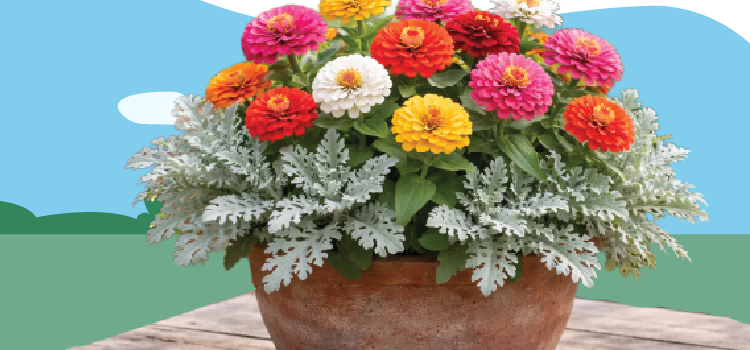
A well-designed container garden can brighten a porch, patio, or entryway with color all season long. One of the easiest ways to achieve that look is by pairing flowers that complement each other in color, texture, and height while sharing similar care requirements.
Below are 10 flower pairings that create colorful pots all season long.
 1. Petunias + Sweet Alyssum
 1. Petunias + Sweet Alyssum
Petunias provide large colorful blooms while sweet alyssum spills over the edges of containers with tiny fragrant flowers.
Why they work well together:
- Both love full sun.
- Sweet alyssum softens the edges of the pot.
- Petunias bloom continuously through summer with regular deadheading.
- Alyssum attracts pollinators.
Growing tips:
- 6+ hours of sunlight.
- Water when the top inch of soil dries.
- Fertilize every 2 to 3 weeks.
Best for: Sunny patios and front porches
2. Geraniums + Calibrachoa
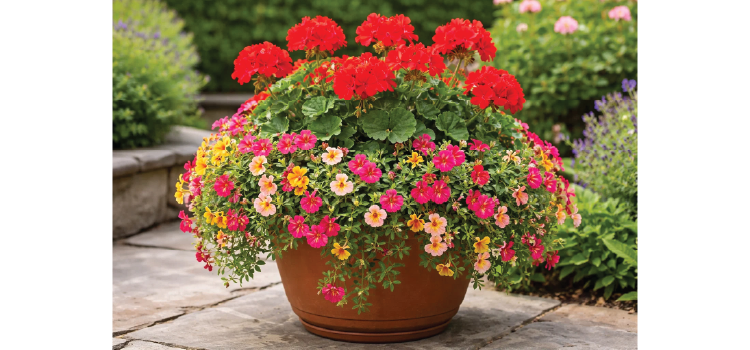
Geraniums provide bold, upright blooms while calibrachoa, often called “Million Bells,” spills over the edges of containers with hundreds of small, petunia-like flowers for months of color.
Why they work well together:
- Both thrive in full sun and warm weather.
- Geraniums add height while calibrachoa creates a cascading effect.
- They bloom continuously throughout the growing season.
- Both require relatively little maintenance once established.
Growing tips:
- Plant in full sun (at least 6 hours daily).
- Water when the top inch of soil feels dry.
- Fertilize every two to four weeks to encourage continuous blooms.
- Remove spent geranium flowers to promote new growth.
Best for: Hot, sunny patios, decks, and hanging baskets.
Planning to spend more time outdoors this summer? Discover more energy-efficient home upgrades that really make a difference before the hottest days arrive.
3. Pansies + Ivy
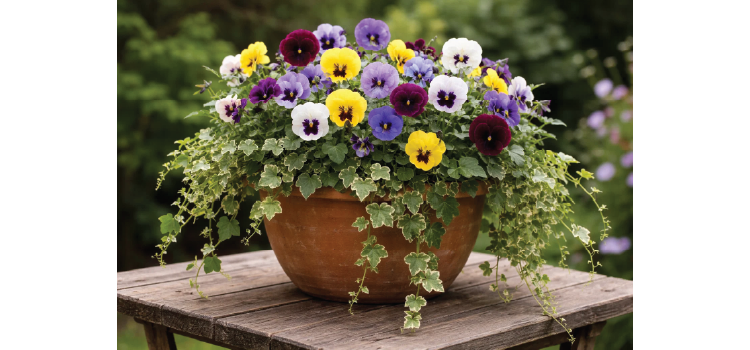
Pansies bring cheerful blooms in early spring and fall, while English ivy adds lush, trailing greenery that softens the edges of containers.
Why they work well together:
- Both perform well in cool temperatures.
- Ivy provides year-round texture while pansies deliver seasonal color.
- Their contrasting flower and foliage textures create a balanced display.
- Both grow well in partial sun or light shade.
Growing tips:
- Plant in full sun during spring or partial shade in warmer weather.
- Keep the soil consistently moist but not soggy.
- Remove faded pansy blooms to extend flowering.
- Trim ivy occasionally to keep it from overtaking the container.
Best for: Spring and fall containers, entryways, and shaded porches.
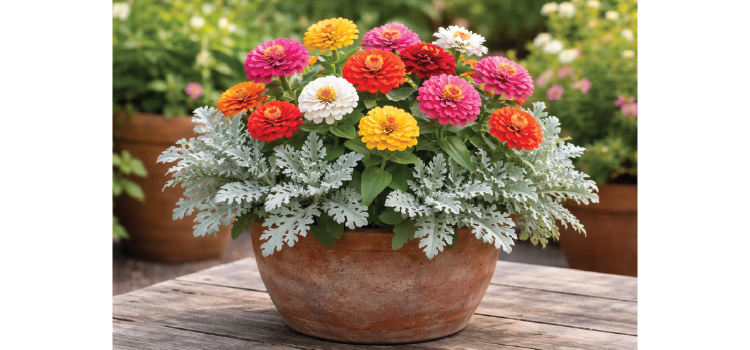
4. Zinnias + Dusty Miller
Bright, colorful zinnias pair beautifully with the soft silver foliage of dusty miller, creating a striking container that stands out all summer long.
Why they work well together:
- The silver leaves make zinnia blooms appear even more vibrant.
- Both tolerate heat and sunny conditions.
- Zinnias attract butterflies while dusty miller adds season-long texture.
- Their different shapes create visual depth and contrast.
Growing tips:
- Place containers in full sun.
- Water deeply when the soil begins to dry.
- Deadhead zinnias regularly to encourage more blooms.
- Avoid overwatering, especially around dusty miller.
Best for: Bright summer patios, sunny entrances, and colorful focal-point containers.
Summer heat affects more than your flowers. Learn how to keep your home cooler during extreme heat with these simple energy-saving tips.
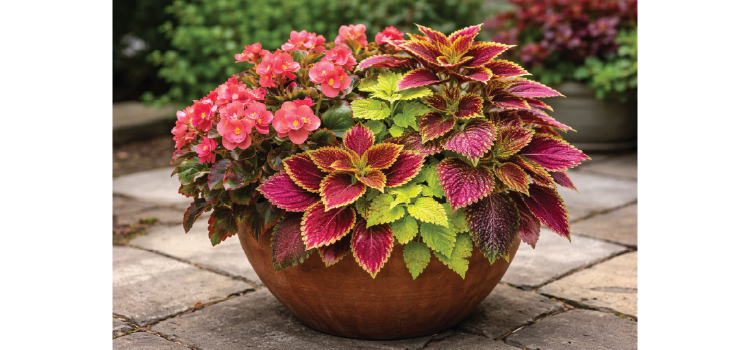
5. Begonias + Coleus
Begonias provide continuous blooms while coleus contributes bold, colorful foliage, creating a lush container that thrives even in shady locations.
Why they work well together:
- Both prefer partial shade to full shade.
- Coleus provides season-long color even when begonias aren’t blooming heavily.
- Their contrasting leaf shapes and flower colors create visual interest.
- Both enjoy consistently moist soil and similar growing conditions.
Growing tips:
- Grow in partial shade or full shade.
- Water regularly to keep the soil evenly moist.
- Pinch back coleus to encourage bushier growth.
- Fertilize monthly during the growing season.
Best for: Covered porches, shaded patios, and woodland-inspired container gardens.
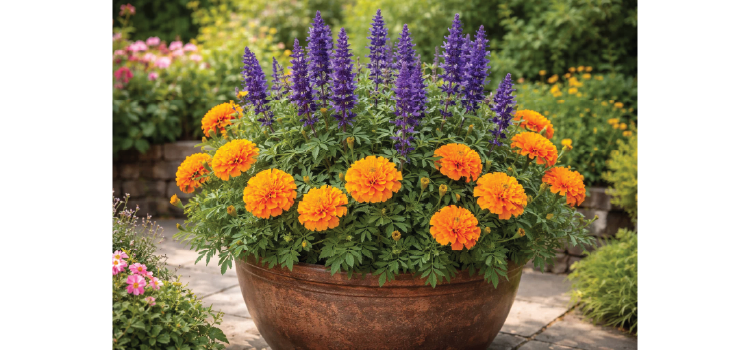
6. Marigolds + Salvia
Marigolds fill containers with warm orange and yellow blooms while salvia adds tall spikes of blue or purple flowers, creating a colorful display that pollinators love.
Why they work well together:
- Both flourish in full sun and summer heat.
- Their contrasting colors create eye-catching displays.
- They attract bees, butterflies, and other beneficial pollinators.
- Both bloom for an extended period with regular deadheading.
Growing tips:
- Plant in full sun with well-draining soil.
- Water when the top inch of soil becomes dry.
- Remove faded blooms to encourage continuous flowering.
- Fertilize every few weeks throughout the growing season.
Best for: Pollinator gardens, sunny patios, and vibrant summer containers.
Did you know outdoor objects like leaves, sticks, and even flower petals can get stuck in your exterior dryer vent, leading to decreased energy efficiency? Find out how much this can cost you now.
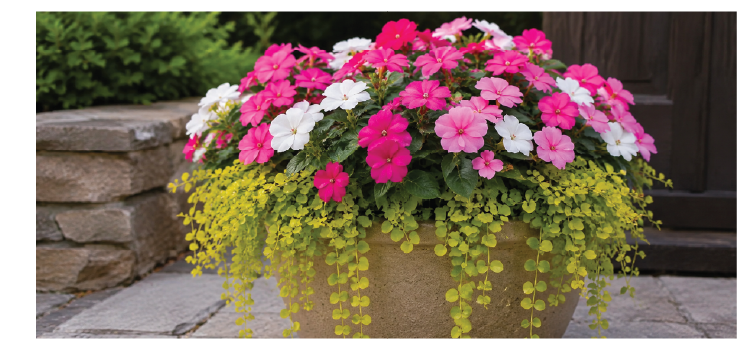
7. Impatiens + Creeping Jenny
Impatiens provide nonstop blooms while Creeping Jenny spills gracefully over the edges of the pot with bright chartreuse foliage.
Why they work well together:
- Both thrive in partial to full shade.
- Creeping Jenny’s bright green foliage highlights colorful flowers.
- Both prefer consistently moist soil.
- They’re easy to grow for beginners.
Growing tips:
- Morning sun or filtered shade.
- Keep soil evenly moist.
- Feed monthly with a balanced fertilizer.
Best for: Shady porches and covered patios.
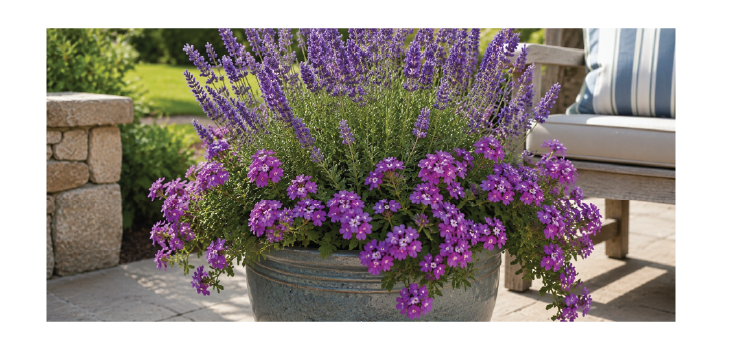
8. Lavender + Verbena
Lavender adds fragrant purple flower spikes while verbena produces clusters of colorful blooms that cascade over the sides of containers.
Why they work well together:
- Both love full sun.
- They handle hot, dry conditions well.
- Both attract bees and butterflies.
- They have a long blooming season.
Growing tips:
- At least 6 to 8 hours of sunlight.
- Allow soil to dry slightly between watering.
- Use a well-draining potting mix.
Best for: Sunny patios and drought-tolerant containers.

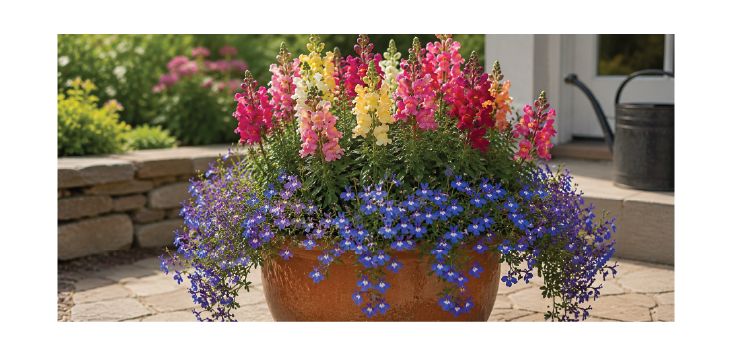
9. Snapdragon + Lobelia
Snapdragons provide vertical interest while lobelia creates a colorful waterfall of blue, purple, or white flowers around the base.
Why they work well together:
- Both prefer cooler temperatures.
- They provide a beautiful contrast in height.
- They’re excellent for early spring displays.
- Both are great pollinator plants.
Growing tips:
- Full sun to partial shade.
- Water regularly during dry spells.
- Deadhead snapdragons to encourage more blooms.
Best for: Cool spring containers.
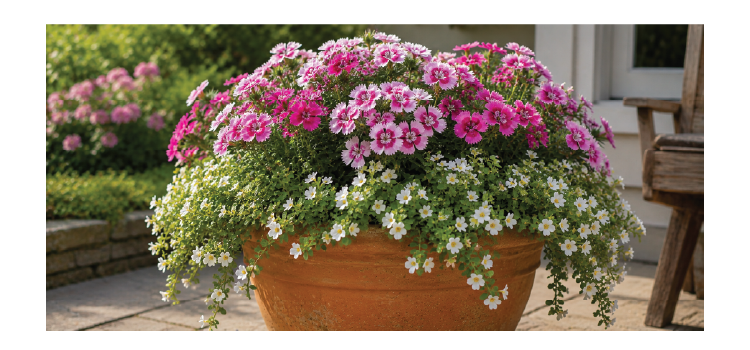
10. Dianthus + Bacopa
Dianthus offers fragrant pink, red, or white flowers while bacopa fills the pot with delicate trailing blooms.
Why they work well together:
- Both have a compact growth habit.
- Both have a long-lasting spring color.
- Bacopa softens the edges of containers.
- They’re great for patios and window boxes.
Growing tips:
- Full sun to partial sun.
- Keep soil consistently moist.
- Trim bacopa lightly if it becomes leggy.
Best for: Spring and early summer containers.
Make Your Home Beautiful Inside and Out
Creating a beautiful yard is just one way to enjoy your home. From gardening ideas and seasonal maintenance to practical ways to manage your home’s energy, Santanna Energy Services is here to help homeowners make informed decisions for their home every season.
Frequently Asked Questions
What flowers grow best together in pots?
Some of the easiest combinations include petunias and sweet alyssum, geraniums and calibrachoa, begonias and coleus, and marigolds with salvia.
Can I mix annuals and perennials in one container?
Yes. Just make sure they have similar sunlight and watering needs. Many gardeners treat mixed containers as seasonal displays.
How many flowers should I plant in one pot?
For a 12-inch container, three to five plants usually create a full display. Larger containers can hold five to nine plants depending on the plants’ mature size.
Do all flowers in a container need the same amount of sunlight?
Yes. Mixing shade-loving flowers with sun-loving flowers often leads to poor growth because one group won’t receive the conditions it needs.

Jenna Mendez is a Midwest native with lifelong roots in Illinois and time spent in Ohio during college, giving her a deep understanding of the Midwest region’s people, climate, and energy needs. She brings firsthand experience and local insight to topics that matter to Midwest homeowners, especially energy efficiency, sustainability, and home living. Jenna specializes in writing about eco-friendly living, all things Midwest, renewable energy, and practical ways to reduce energy costs. Jenna brings a trusted, and local hometown voice to every article she writes, helping readers live well, and sustainably, right where they are.