
What Causes an Air Conditioner to Freeze Up?

by Tyler Castle
Updated: September 1, 2026
18 min read
Key Points of This Article:
- If your air conditioner freezes up, it’s usually a sign that something is preventing it from working properly; common warning signs include ice on the refrigerant lines or indoor unit, weak airflow, warm air from the vents, longer cooling cycles, and rising electricity bills.
- The safest first step to troubleshooting your frozen air conditioner is to turn off the cooling mode, let the ice melt completely, and check for common airflow problems, like a dirty air filter or blocked vents, before restarting the system.
- A frozen air conditioner can run much longer while cooling less effectively, potentially increasing a typical summer electricity bill by about $15 to $50 or more if the problem isn’t addressed.
- If your air conditioner keeps freezing after basic troubleshooting or you suspect a refrigerant or blower fan problem, it’s time to contact a qualified HVAC professional before the issue leads to more costly repairs.
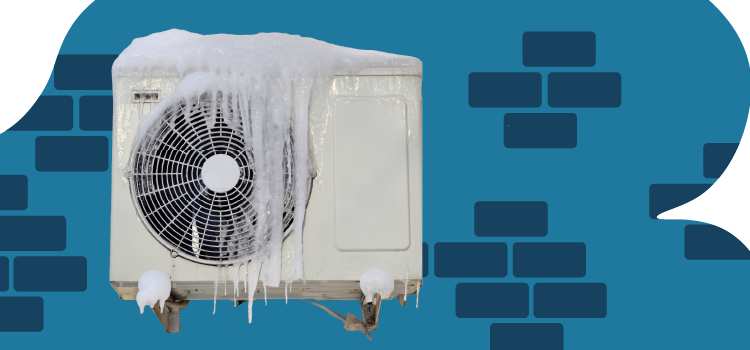
On a hot day, the last thing you expect is for your air conditioner to stop cooling your home. But if you've noticed weak airflow, warm air coming from your vents, or even ice forming on your air conditioner, your system may have frozen up.
While it may seem surprising, a frozen air conditioner is a common issue that's often caused by something preventing your system from operating properly. In many cases, restricted airflow, a dirty air filter, or another issue is affecting your air conditioner's performance, causing it to freeze.
At Santanna, we know that your home's cooling system and energy use go hand in hand. In this guide, we'll explain what causes an air conditioner to freeze up, how to recognize the warning signs, and what you can do to help keep your air conditioner running efficiently all summer long.
Why Does an Air Conditioner Freeze Up?
An air conditioner freezes up when part of the system becomes so cold that moisture from the air turns into ice instead of draining away as water. In most cases, this happens because there isn’t enough airflow moving through the system or because of a refrigerant-related problem that prevents the air conditioner from removing heat properly.
Think of your air conditioner like a sponge that is meant to collect moisture and let it drip away. When everything is working properly, warm air from inside your home flows over the indoor cooling coil, moisture collects on the coil, and the water drains away.
But if the airflow is restricted or the system is not cooling the way it should, the coil can become too cold. Instead of water dripping away, that moisture freezes into ice.
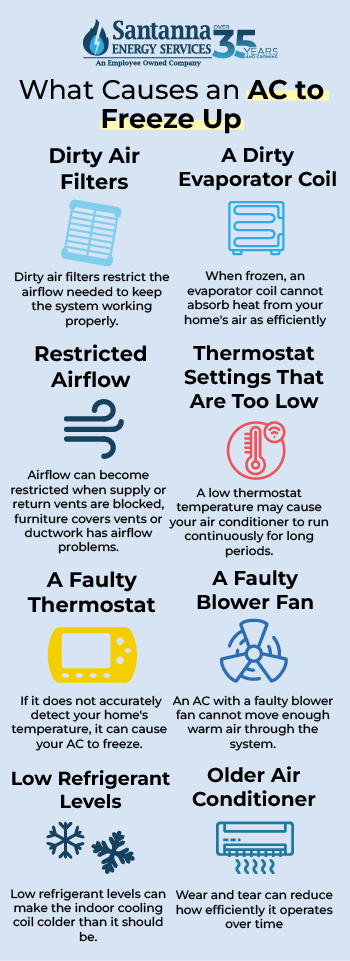
What Causes an Air Conditioner to Freeze Up?
An air conditioner can freeze up for several different reasons, but they all have one thing in common: they prevent the system from cooling your home the way it was designed to.
Let’s look at the most common reasons an air conditioner freezes up and what each one means for your home:
Dirty Air Filter
A dirty air filter can cause an air conditioner to freeze because it restricts the airflow needed to keep the system working properly.
Your air conditioner depends on a steady flow of warm indoor air passing over the indoor cooling coil. When the filter becomes clogged with dust, dirt, and pet hair, less air can move through the system.
A Dirty Evaporator Coil
A dirty evaporator coil can cause an air conditioner to freeze because it cannot absorb heat from your home’s air as efficiently.
Over time, dust and debris can build up on the coil, creating a barrier between the warm indoor air and the cold coil. As less heat reaches the coil, it becomes colder than it should, allowing moisture to freeze into ice.
A dirty coil can also reduce cooling performance, increase energy use, and place additional strain on your air conditioner.
Restricted Airflow
Restricted airflow is one of the most common reasons an air conditioner freezes up because the indoor cooling coil does not receive enough warm air.
Airflow can become restricted when supply or return vents are blocked, furniture covers vents, ductwork has airflow problems, or other parts of the system limit air movement. Without enough warm air flowing across the coil, moisture freezes instead of draining away.
If your home has uneven temperatures or weak airflow from the vents, restricted airflow may be contributing to the problem.
Thermostat Settings That Are Too Low
Setting your thermostat much lower than needed can contribute to freezing because it may cause your air conditioner to run continuously for long periods.
Although lowering the thermostat does not cool your home faster, longer cooling cycles can increase the chance of ice forming, especially if another problem, such as restricted airflow or a dirty air filter, is already present.
Choosing a reasonable thermostat setting helps your air conditioner cycle on and off normally while reducing unnecessary strain on the system.
Faulty Thermostat
A faulty thermostat can cause an air conditioner to freeze if it does not accurately detect your home’s temperature or tells the system to keep running longer than necessary.
When the air conditioner runs longer than it should, the indoor cooling coil has more time to become excessively cold. If another issue is already affecting the system, ice can begin forming more easily.
Homeowners may also notice uneven temperatures, longer cooling cycles, or an air conditioner that never seems to shut off.
Faulty Blower Fan
A faulty blower fan can cause an air conditioner to freeze because it cannot move enough warm air through the system.
The blower fan pushes cooled air throughout your home while allowing warm indoor air to pass over the cooling coil. If the fan slows down or stops working properly, airflow decreases, and the coil can become cold enough for moisture to freeze.
In addition to ice buildup, you may notice weak airflow from the vents and rooms that take much longer to cool.
Low Refrigerant Levels
Low refrigerant levels can cause an air conditioner to freeze because they make the indoor cooling coil colder than it should be.
Refrigerant helps remove heat from your home. When there isn’t enough refrigerant, the cooling coil can become so cold that moisture freezes into ice rather than collecting as water and draining normally.
Refrigerant does not get used up during normal operation, so if the level is low, it usually means there is a leak somewhere in the system, and it should be inspected by an HVAC professional.
Older Air Conditioner
An older air conditioner may be more likely to freeze because wear and tear can reduce how efficiently it operates over time.
As the system ages, parts may not work together as effectively as they once did. Small problems such as reduced airflow, worn components, or refrigerant issues can become more common, increasing the chance of ice buildup.
While age alone does not cause freezing, an older air conditioner is generally more likely to develop the underlying problems that lead to it.
Is It Normal for an Air Conditioner To Freeze Up?
It is not normal for an air conditioner to freeze up because ice usually forms only when something is preventing the system from operating properly.
A properly working air conditioner should cool your home, remove excess humidity from the air, and run without ice forming on its parts. While the air coming from your vents should feel cool, the system itself should not become covered in frost or ice.
Some homeowners assume that ice means the air conditioner is cooling extra well, but the opposite is usually true. As ice builds up, it blocks airflow and makes it harder for the system to cool your home. The air conditioner may run longer, use more electricity, and still struggle to keep your home comfortable.
A frozen air conditioner is usually a symptom of another problem rather than the problem itself. One of the first clues is where the ice is forming, since different parts of the system can point to different underlying issues.
What Parts of an Air Conditioner Usually Freeze?
Several parts of an air conditioner can freeze when something prevents the system from operating properly. Identifying where the ice is located can help narrow down the possible cause and determine what to check first.
Let’s take a closer look at the parts of an air conditioner that most commonly freeze and what each one may be telling you:
- Evaporator Coil
The evaporator coil is the part of your air conditioner that removes heat from the air inside your home, making it the most common place for ice to form. When the coil freezes, your air conditioner cannot cool your home as effectively, and you may notice weaker airflow or warmer rooms.
- Refrigerant Lines
The refrigerant lines connect the indoor and outdoor parts of your air conditioner. If ice starts building on the evaporator coil, it can spread to these lines. You may first notice ice on the larger insulated pipe near the outdoor unit because it is easier to see than the indoor coil.
- Indoor Air Handler Components
The indoor air handler helps move cool air throughout your home. If ice spreads to this part of the system, it often means the freezing problem has become more severe. You may notice very weak airflow, little or no cool air coming from the vents, or water around the indoor unit after the ice melts.
The location of the ice can provide helpful clues, but it does not always tell the whole story.
How Can You Tell if Your Air Conditioner Is Frozen?
A frozen air conditioner often shows several warning signs before you even see ice. Paying attention to these symptoms can help you catch the problem early, restore your home’s comfort sooner, and prevent your system from working harder than necessary.
Some of the most common signs that your air conditioner may be frozen include:
- Ice on the refrigerant lines: Ice or frost on the insulated pipe near your outdoor unit often means ice has already formed inside the system.
- Ice on the indoor unit: Frost or ice around the indoor unit usually indicates the freezing problem has become more severe.
- Weak airflow: Ice can block airflow, causing less cool air to come from your vents.
- Warm air from the vents: Ice on the cooling coil can prevent your air conditioner from cooling the air properly, even while it’s running.
- Longer cooling cycles: A frozen air conditioner may run longer than usual while struggling to reach the temperature you’ve set.
- Water around the indoor unit after thawing: As the ice melts, you may notice water around the indoor unit, which can be a sign the system recently froze.
- Higher electricity bills: If your air conditioner runs longer but cools less effectively, it may use more electricity and increase your summer energy bill.
- Unusual noises: Buzzing, rattling, or other unusual sounds may indicate the system is struggling or that ice is affecting normal operation.
Not every frozen air conditioner will show all of these signs. If you notice one or more of them, it’s best to address the problem early before it becomes more serious.
What to Do if Your Air Conditioner Freezes Up
If your air conditioner freezes up, turn off the cooling mode, let the ice melt completely, and check for common airflow issues before turning it back on. Continuing to run a frozen air conditioner can make the problem worse because ice prevents the system from cooling properly and forces it to work harder.
Let’s take a closer look at the steps you can take to safely thaw your air conditioner and identify the possible cause before the problem becomes more serious:
Turn Off Cooling Mode
The first step is to turn off your air conditioner’s cooling mode to stop the system from producing more cold air and help prevent additional ice from forming.
If your thermostat has separate settings for cooling and the fan, leave the cooling mode off until the ice has completely melted.
Switch the Fan to “On”
After turning off the cooling mode, switch the fan setting from “Auto” to “On.”
Running only the fan helps circulate room-temperature air through the system, which can speed up the thawing process without creating more ice. Depending on how much ice has built up, this may take several hours.
Check the Air Filter
Once the system begins thawing, inspect your air filter.
If it looks dirty or clogged with dust, replace it with a clean filter that matches your system’s recommended size. Since dirty air filters are one of the most common causes of frozen air conditioners, replacing the filter every 1-3 months may restore proper airflow and help prevent the problem from happening again.
Make Sure Supply and Return Vents Are Open and Unblocked
Walk through your home and check that supply and return vents are fully open and not blocked by furniture, rugs, curtains, or other objects.
Keeping vents clear allows warm indoor air to move through the system as intended, helping your air conditioner cool more efficiently and reducing the chance of future freeze-ups.
Allow the Ice to Melt Completely
Wait until all of the ice has melted before restarting your air conditioner.
Depending on how severe the freeze-up is, this may take anywhere from a few hours to as long as 24 hours. Starting the system too soon can cause ice to form again before the underlying problem has been addressed.
Restart the System and Monitor Its Performance
After all the ice has melted, turn the cooling mode back on and pay attention to how the system performs.
Check whether cool air is coming from the vents, whether airflow has improved, and whether the air conditioner is cycling on and off normally. If the system cools your home without freezing again, the issue may have been caused by restricted airflow, such as a dirty air filter or blocked vents.
If your air conditioner freezes again shortly after restarting, or if you continue to notice weak airflow, warm air, or poor cooling performance, it’s time to contact an HVAC professional.
Can a Frozen Air Conditioner Still Cool Your Home?
Yes, a frozen air conditioner may still cool your home temporarily, but it will become less effective as ice builds up.
Because a frozen air conditioner has to work harder while cooling less effectively, it can also use more electricity. That’s why it’s best to address the problem as soon as you notice the warning signs instead of continuing to run the system.
Does a Frozen Air Conditioner Use More Electricity?
Yes, a frozen air conditioner can use more electricity because it has to run longer while cooling your home less effectively.
For example, if your typical summer electricity bill is around $150 per month, allowing a frozen air conditioner to keep running for days or weeks could increase your bill by about $15 to $50 or more, depending on the cause of the problem, how long it continues, and your local electricity rates.
That’s because a frozen air conditioner often has to run much longer to cool your home. If your system normally runs for about 20 minutes after the thermostat turns on, it may run for 40 to 60 minutes to achieve the same result, or it may never reach the temperature you’ve set. That extra runtime means more electricity is used while your home stays less comfortable.
How to Keep Your Air Conditioner from Freezing
You can help keep your air conditioner from freezing by maintaining good airflow, keeping the system clean, and addressing small cooling problems before they become bigger ones. While not every freeze-up can be prevented, these simple maintenance habits can reduce the risk of ice buildup and help your air conditioner run more efficiently:
Replace Air Filters Regularly
A clean air filter helps warm indoor air flow through your air conditioner the way it was designed to. Replace your air filter every 1 to 3 months, especially during periods of heavy use. Regular filter changes can improve airflow, reduce strain on the system, and lower the risk of your air conditioner freezing.
Keep Supply and Return Vents Open
Make sure supply and return vents remain open and are not blocked by furniture, rugs, curtains, or other household items. Good airflow helps your air conditioner remove heat more effectively and keeps the indoor cooling coil from becoming colder than it should.
Keep the Thermostat at a Reasonable Temperature
Setting the thermostat much lower than needed will not cool your home faster. Instead, it may cause your air conditioner to run longer than necessary, especially during very hot weather. Choosing a reasonable temperature helps your system cycle on and off as intended.
Keep the Evaporator Coil Clean
Dust and dirt can build up on the indoor cooling coil over time, making it harder for the system to remove heat from your home. Keeping the coil clean helps improve cooling performance and reduces the chance of ice forming.
Keep the Outdoor Unit Clean and Clear
Keep leaves, grass clippings, branches, and other debris away from the outdoor unit. Allowing at least 1 to 2 feet of open space around the unit helps it release heat more efficiently and supports the overall performance of your air conditioner.
Check That Airflow Is Not Restricted
Walk through your home occasionally to make sure vents are not blocked by furniture, storage boxes, rugs, or curtains. Even small obstructions can reduce airflow and make it harder for your air conditioner to cool efficiently.
Schedule Annual HVAC Maintenance
Having your air conditioner inspected before the cooling season can help identify small problems before they lead to a freeze-up. During routine maintenance, an HVAC professional can check airflow, inspect the cooling coil, verify refrigerant levels, and look for worn parts that may affect your system’s performance.
Address Cooling Problems Early
Don’t ignore warning signs such as weak airflow, longer cooling cycles, warm air from the vents, unusual noises, or rising electricity bills. Taking action early can often prevent a minor issue from becoming a frozen air conditioner or a more expensive repair.
Watch for Signs of Refrigerant Problems
If your air conditioner repeatedly freezes, struggles to cool your home, or develops ice after you’ve replaced the air filter and opened the vents, it could indicate a refrigerant-related issue. Because refrigerant should only be handled by qualified professionals, it’s best to schedule an inspection rather than continue running the system.
When Should You Call an HVAC Professional?
You should call an HVAC professional if your air conditioner continues freezing after basic troubleshooting or shows signs of a more serious problem. While some issues can be resolved by improving airflow or replacing a dirty air filter, others require professional diagnosis and repair.
Let’s take a closer look at the situations where it’s best to call an HVAC professional:
- Ice keeps returning after the system has completely thawed.
- Cooling remains weak even after replacing the air filter and restoring airflow.
- A refrigerant leak is suspected, such as repeated freeze-ups or poor cooling performance.
- The blower fan isn’t working properly, resulting in little or no airflow from the vents.
- Water damage develops around the indoor unit or excessive water appears after thawing.
- The system won’t restart or continues to malfunction after all the ice has melted.
Having these issues addressed early can help restore your air conditioner’s performance, improve energy efficiency, and reduce the risk of more costly repairs down the road.
Frequently Asked Questions
Can I Run My AC with Frozen Coils?
No. Running your AC with frozen coils can worsen the problem and may damage the system, so turn the cooling mode off and let the coils thaw completely first.
How Do I Defrost AC Coils Fast?
Turn off the cooling mode and switch the thermostat fan to “On” to circulate air and help the coils thaw more quickly.
Will Turning the Thermostat Lower Cause My AC to Freeze?
Not by itself, but setting the thermostat extremely low can contribute to freezing if your air conditioner already has airflow or refrigerant problems.
Is Ice on an Air Conditioner Dangerous?
Ice on an air conditioner is not normal and usually indicates an underlying problem that should be addressed before it leads to reduced performance or equipment damage.
Should I Pour Hot Water on Frozen AC Coils?
No. Hot water can cause sudden temperature changes and potentially damage components, so it’s safer to let the coils thaw naturally with the cooling turned off and the fan running.
A frozen air conditioner is usually a sign that something isn’t working the way it should, whether it’s restricted airflow, a dirty filter, or another issue affecting your system. By recognizing the warning signs early and taking simple preventive steps, you can help keep your air conditioner running more efficiently, improve your home’s comfort, and avoid unnecessary energy waste during the hottest months of the year.
And while you can’t always control how much energy your home uses during the summer, you can make one part of your energy bill more predictable. Santanna’s Unlimited Energy Plan offers predictable supply charges,* so while you’re taking steps to keep your home cool and your air conditioner running efficiently, you can also enjoy greater confidence in your monthly electricity expenses.
Because when summer temperatures rise, you deserve fewer surprises, both from your air conditioner and your electricity bill.
* Restrictions apply. Enrollment based upon program eligibility. Customers using more than 125% of normal monthly usage as determined by Santanna may be required to switch plans.
Tyler is an experienced energy professional, having worked for Santanna Energy Services, for the past four years. He is passionate about renewable energy and believes that diversifying the energy grid is the key to a sustainable future. Tyler is dedicated to supplying consumers with the best possible energy solutions and works diligently to make sure that Santanna can deliver the highest quality service.