

Does My Air Conditioner Use Gas or Electricity?

by Jenna Mendez
Updated: October 8, 2026
4.8 min read
Key Points of This Article:
- To tell if your air conditioner is gas or electric, check its power source: a unit connected to your home’s electrical system is typically electric, while a unit connected to a gas line is gas-powered; you can also inspect the outdoor unit, review the owner’s manual, or have an HVAC technician verify it.
- Most air conditioners are electric, using electricity to power a refrigerant cycle that removes heat from indoor air and circulates cooled air back through the home.
- Gas-powered air conditioners are uncommon and are generally found in older systems, while the vast majority of modern residential air conditioners rely on electricity as their primary energy source.
Navigating the realm of home appliances can sometimes feel like deciphering a complex puzzle. Especially when it involves understanding your heating and cooling needs. People commonly ask, Is my air conditioner gas or electric?
We’ve created a guide to help you answer these burning questions. Read on to discover how you can learn everything you need to know about your air conditioner.
How to tell if your air conditioner is gas or electric
According to the E.I.A., 88% of U.S. households use air conditioning. And two-thirds of U.S. households use central AC or central heat pumps as their main AC unit. It’s important to know which unit you have in your home so you can stay energy efficient and don’t risk paying more for your energy. Here’s how to tell if your air conditioner is gas or electric:
Check the Power Source:
Look at the power source of your air conditioning unit. If it’s connected to an electrical outlet or wired directly into your home’s electrical system, it’s likely an electric air conditioner. If it connects to your gas line, it’s a gas air conditioner.
Inspect the Outdoor Unit:
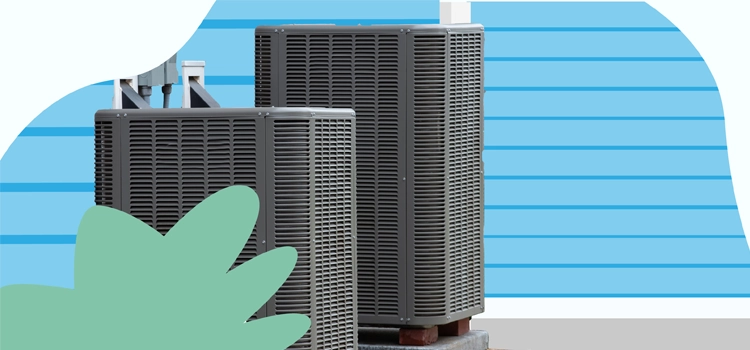
Take a look at the outdoor unit of your air conditioner. If you see a large fan and no visible gas lines or connections, it’s likely an electric unit.
Consult the Owner’s Manual:
If you have the owner’s manual for your air conditioner, it may provide information about the type of energy it uses. Check the manual for details on power requirements and energy sources.
Professional Inspection:
If you’re still unsure about the type of energy your air conditioner uses, consider hiring a qualified HVAC technician to inspect the unit. They can examine the system and provide accurate information about its energy source and operation.
To learn if your heating system is gas or electric, visit our blog here for the complete guide!
Natural gas air conditioners
If you’re looking for an alternative way to cool your home, natural gas air conditioners do exist as an option. Natural gas air conditioning declined in 1990 with only 5 percent of all air conditioners being fueled by natural gas.
Even though natural gas air conditioners have lost popularity, those who still own natural gas models could enjoy reduced electrical demand and lower operating costs in the summer. While these units are available, natural gas air conditioners have higher upfront costs, higher maintenance costs, and can have higher operational costs because of fluctuating gas prices.
Do air conditioners use gas?
Air conditioners don’t use gas as their primary energy source. Almost all air conditioners use electricity to power various components in the cooling process. While it’s extremely uncommon, some older models may utilize gas as a supplementary energy source.
Signs your HVAC system needs to be repaired
Air conditioners use about 6% of all the electricity produced in the United States. It’s important to keep an eye on your unit and look for signs that your unit needs to be replaced. An old AC unit can make your system work harder than it needs to and can result in higher energy bills.
Here are a few signs your AC might need to be repaired:
- If you notice weak airflow coming from your vents, it could indicate a problem with the blower motor, ductwork, or air filter.
- Unusual sounds such as banging, rattling, or squealing coming from your HVAC system could indicate loose or damaged components.
- If some rooms in your home are significantly warmer or cooler than others, it could signal issues with your unit.
- If your HVAC system turns on and off frequently (short cycling), it could be a sign of an underlying issue.
- Foul or musty odors emanating from your vents could indicate mold growth or a clogged drain line.
- Any visible leaks or moisture around your HVAC system, such as water pooling near the unit should be addressed promptly to prevent further damage.
- Ice forming on the evaporator coil or refrigerant lines can indicate issues with airflow or refrigerant levels.
HVAC maintenance tips
- Replace or clean air filters every 1-3 months, or as recommended by the manufacturer. Clogged filters restrict airflow, reduce efficiency, and can lead to increased energy consumption and system wear.
- Ensure air vents and registers are clean and unobstructed to promote proper airflow.
- Check and adjust thermostat settings seasonally to optimize comfort and energy efficiency. Consider upgrading to a programmable or smart thermostat for automated temperature control and energy savings.
- Arrange for annual or bi-annual HVAC maintenance by a qualified technician. Professional tune-ups can identify and address minor issues before they escalate.
- Inspect the condensate drain line for clogs or blockages, and clear any buildup to prevent water damage and mold growth.
- Inspect Ductwork: Periodically inspect ductwork for leaks, gaps, or damage that could compromise efficiency and indoor air quality.
Navigating the complexities of home appliances, particularly understanding heating and cooling systems, can often feel daunting. We hope we made the process of understanding your AC unit much easier!
Jenna Mendez is an experienced energy content professional who has spent four years researching, writing, and managing authoritative educational content for Midwest energy consumers at Santanna Energy Services. As a lifelong Illinois resident, Jenna brings firsthand knowledge of the region’s climate, communities, and household energy needs to her work.
She specializes in translating complex energy topics into clear, practical guidance about electricity and natural gas costs, appliance energy use, energy efficiency, and everyday home living. Drawing on industry research, Santanna customer data, and insights from experienced energy professionals, Jenna incorporates this knowledge into her content to help homeowners better understand their energy choices and make informed decisions for their households.