

Energy-Efficient Roofing: Most Efficient & Why the Material You Choose For Your Roof Matters

by Tyler Castle
Updated: August 10, 2026
23.1 min read
Key Points of This Article:
- A roof that absorbs less heat can help keep your attic cooler, reduce how hard your AC has to work, and makes your home feel more comfortable during hot summer months.
- A lighter-colored roof can help reduce attic temperatures by reflecting 60% to 90% of sunlight, making it easier to manage indoor comfort during hot weather.
- Good attic ventilation matters just as much as roofing material because trapped heat can still build up and make your home harder to cool.
- Energy-efficient roofing works best as a complete system, where the roof material, insulation, ventilation, and airflow all work together to improve comfort and manage energy use more efficiently.
What Is Energy-Efficient Roofing?
Energy-efficient roofing is designed to reduce how much heat your roof absorbs and how much of that heat enters your home, helping keep indoor temperatures more stable and reducing how much your cooling system has to work.
During the summer, energy-efficient roofing helps your home stay cooler by managing how heat moves through your roof. When less heat builds in the attic, less of it reaches your living space, which makes your home easier to keep comfortable.
Here are the key factors that most energy-efficient roofing materials have that help your home use less energy:
- Roofing material and color: The type of material and its color affect how much heat your roof absorbs. Lighter and more reflective surfaces stay cooler, which helps reduce heat buildup and lowers how much your AC needs to run.
- Solar reflectance: This refers to how well your roof reflects sunlight instead of absorbing it. Higher reflectance means less heat enters your home, which can reduce cooling demand during hot days.
- Thermal emittance: This is how quickly your roof releases any heat it does absorb. A roof that cools down faster helps prevent heat from lingering, which can reduce how long your cooling system runs into the evening.
- Thermal resistance: This describes how well your roof slows heat from moving into your living space. Better resistance helps keep indoor temperatures more stable, so your system does not have to constantly adjust.
- Ventilation compatibility: Your roof needs to work with proper attic airflow so heat can escape instead of getting trapped. When hot air is removed efficiently, your home stays cooler and your AC runs less often.
- Insulation support: Insulation helps block heat from reaching your living space, working together with your roof to reduce heat gain and improve overall energy efficiency.
How Do Roofing Ventilation and Energy Efficiency Work Together?
Roof ventilation helps your home stay cooler by allowing hot air to escape from the attic, so your AC does not have to work as hard to keep your home comfortable.
When the sun heats your roof, that heat rises and gets stuck in the attic. If the hot air cannot get out through proper roofing materials, it builds up and makes your home feel warmer, especially upstairs. This makes your AC run longer to cool things down.
Ventilation helps fix this by moving hot air out and letting cooler air come in. A properly ventilated roof usually relies on two key types of vents working together:
- Ridge vents that sit at the top of your roof and let hot air escape
- Soffit vents that are under the roof edges and let cooler air come in
Together, they create steady airflow so heat does not stay trapped inside your roof space.
When your attic can properly “breathe,” it usually stays cooler, your home feels more comfortable, and your cooling system does not have to work overtime during hot weather. Without good airflow, even an energy-efficient roof can still hold onto heat and make your home harder to cool.
The Best Types of Energy-Efficient Roofing Materials for Your Home
Different roofing materials handle heat in different ways, which can affect how warm your attic gets, how comfortable your home feels, and how hard your cooling system needs to work.
Choosing the right material is not just about durability or appearance. It is about how your roof responds to sunlight, how it manages heat throughout the day, and how well it supports overall comfort inside your home.
To better understand what this means in real life, let’s look at the most common energy-efficient roofing materials and how each one performs when it comes to heat and energy use:
1. Metal Roofing
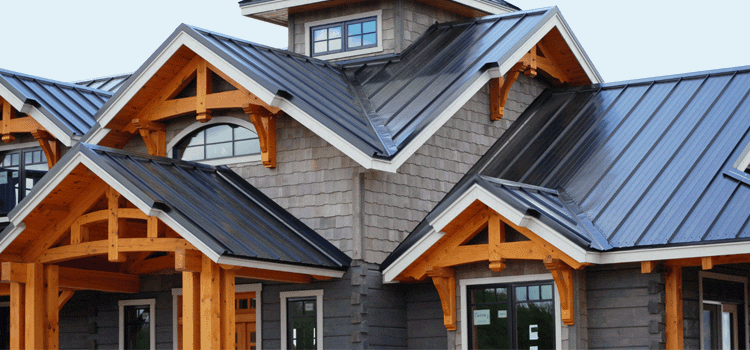
Metal roofing is one of the most energy-efficient roofing options because it reflects a large portion of sunlight instead of absorbing it. This helps reduce attic heat buildup, keeps indoor temperatures more stable, and can lower cooling demand during hot summer weather.
Many metal roofs are also coated with reflective finishes that improve solar reflectance even further, making them especially effective in homes with long periods of direct sun exposure.
One of the key energy-efficiency benefits of metal roofing is its ability to reduce heat absorption, which helps keep attic temperatures lower during the day. Great Northern Metal Company reports that metal roofs reflect a large portion of sunlight and can be up to 100 degrees cooler than asphalt roofs under similar conditions.
Quick Facts
- Energy Efficiency: Very High
- Typical Lifespan: 40–80 years
- Typical Cost: $7–$29 per sq. ft.
- Best For: Homes with strong sun exposure and high cooling demand
- Main Benefit: Reflects heat and cools down quickly
- Potential Drawback: Higher upfront installation cost
- Works Best With: Proper attic ventilation and insulation
- Ideal Climate: Hot, sunny, or mixed climates with warm summers
2. Cool Roof Coatings
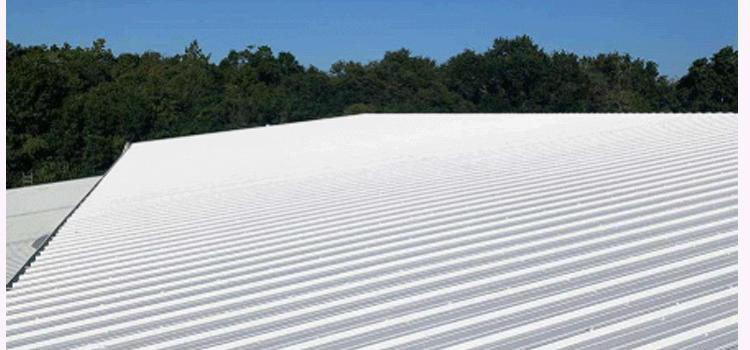
Cool roof coatings are reflective products that are applied over an existing roof surface to help it reflect more sunlight and release heat faster. Instead of replacing the entire roof, the coating acts as an added layer, often white or light-colored, that improves solar reflectance and thermal emittance. This can help reduce how much heat transfers into the attic or living space below.
These coatings are especially common on flat or low-slope roofs where heat buildup can become more intense during summer months.
Keep in mind that coatings are not a fix for an aging or leaking roof, and results depend heavily on proper surface prep and installation. Before considering this option, make sure the roof is in good condition, confirm the coating is compatible with your existing material, and check how often it may need to be re-applied over time.
Quick Facts
- Energy Efficiency: Very High
- Typical Lifespan: 5–25 years
- Typical Cost: $1–$4 per sq. ft.
- Best For: Flat or low-slope roofs in good condition
- Main Benefit: Reduces roof heat absorption without full roof replacement
- Potential Drawback: May require periodic reapplication
- Works Best With: Roofs that already have proper drainage and ventilation
- Ideal Climate: Warm and sunny climates with high cooling demand
3. Green Roofs (Vegetative Roofs)
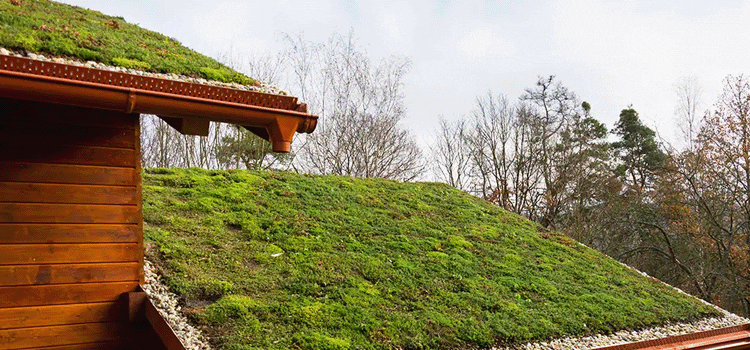
A green roof, sometimes called a rooftop garden, is a roofing system that includes a layer of plants and soil installed on top of a home to help keep the roof cooler, which can reduce indoor heat gain.
According to the U.S. Environmental Protection Agency, green roofs can help reduce heat islands, which are areas where cities become warmer than nearby natural surroundings because buildings, roads, and other surfaces absorb and hold more heat than trees and water.
Quick Facts
- Energy Efficiency: High
- Typical Lifespan: 20–30 years
- Typical Cost: $25–$30 per sq. ft.
- Best For: Eco-conscious homeowners and flat roofs with structural support
- Main Benefit: Natural insulation and cooling from vegetation
- Potential Drawback: Higher installation complexity and maintenance
- Works Best With: Strong structural support and drainage systems
- Ideal Climate: Urban or warm climates where heat buildup is common
4. Tile Roofing (Clay or Concrete)
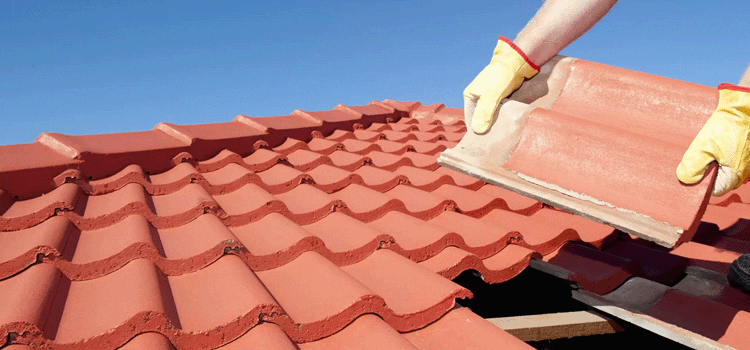
Tile roofing is made from natural clay or concrete and is known as terra cotta shingles for its ability to reduce heat transfer into the home. Its curved shape creates small air gaps beneath the tiles, which helps limit how much heat moves into the attic.
Because of this, tile roofing is often considered a strong option for homes in hot or sunny climates where roofs take direct sun exposure for long periods.
Tile roofs are heavier than many other roofing materials, so the home’s structure needs to be able to support the added weight.
Quick Facts
- Energy Efficiency: High
- Typical Lifespan: 50–100 years
- Typical Cost: $11–$22 per sq. ft.
- Best For: Long-term durability and hot climates
- Main Benefit: Airflow beneath tiles helps reduce heat transfer
- Potential Drawback: Heavy material may require additional structural support
- Works Best With: Well-ventilated attics and strong roof framing
- Ideal Climate: Hot, sunny, and dry climates
5. Asphalt Shingles (Standard and Cool Roof Options)
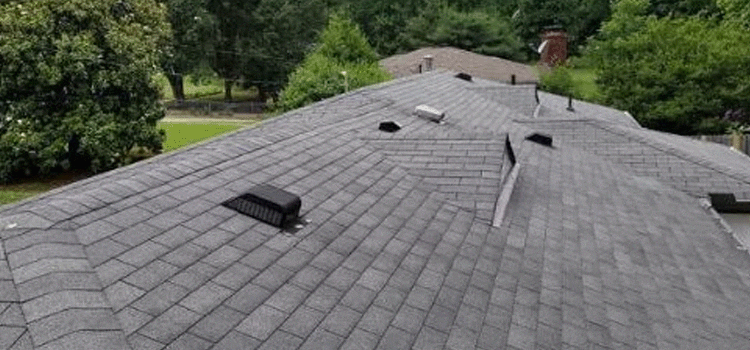
Asphalt shingles are one of the most common roofing materials and are made from a fiberglass base coated with asphalt and granules. Standard asphalt shingles, especially darker-colored ones, tend to absorb more heat throughout the day.
However, newer versions known as cool roof shingles are designed with reflective granules that help reflect more sunlight and reduce heat buildup. These are a more affordable way to improve energy performance without switching to a completely different roofing material.
Quick Facts
- Energy Efficiency: Moderate to High
- Typical Lifespan: 15–30 years
- Typical Cost: $5.09–$6.66 per sq. ft.
- Best For: Budget-conscious homeowners looking for improved efficiency
- Main Benefit: Affordable upgrade with better reflectivity
- Potential Drawback: Standard versions can absorb significant heat
- Works Best With: Light-colored shingle options and attic ventilation
- Ideal Climate: Mixed climates with moderate cooling needs
6. Solar Shingles
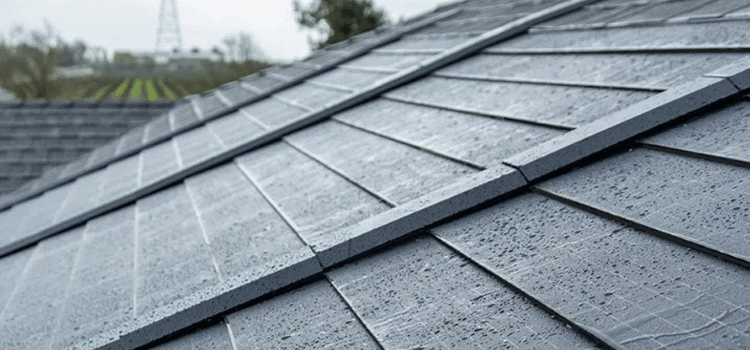
Solar shingles combine the function of traditional roofing materials with built-in solar technology, allowing them to protect your home while also generating electricity that can help reduce your energy use and lower electricity costs.
In terms of energy efficiency, solar shingles help reduce heat absorption and can offset some of your home’s electricity use by producing power. If you want both energy savings and energy generation in one system, they can be a strong option to consider.
Quick Facts
- Energy Efficiency: Moderate to High
- Typical Lifespan: Up to 30 years
- Typical Cost: $21–$25 per sq. ft.
- Best For: Homeowners focused on renewable energy and energy generation
- Main Benefit: Produces electricity while functioning as roofing
- Potential Drawback: High upfront installation cost
- Works Best With: Homes with strong sun exposure and good roof orientation
- Ideal Climate: Sunny regions with high annual solar exposure
7. Composite Roofing
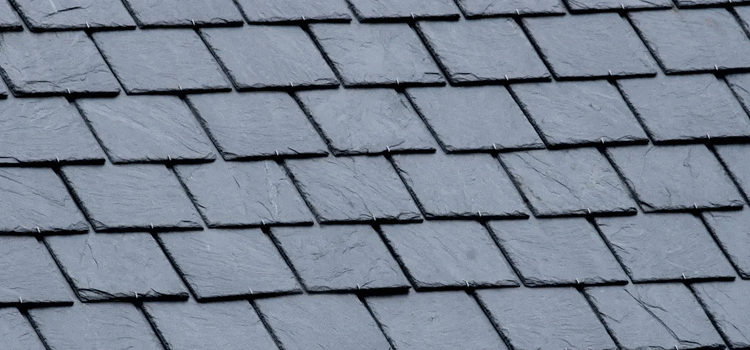
Composite roofing is made from engineered materials such as recycled plastics, rubber, or polymers. These materials are designed to be durable while also offering moderate heat resistance.
Depending on the product, composite roofing can reflect some sunlight and help reduce heat buildup on the roof surface. Some homeowners often choose this energy-efficient roofing material for its balance between appearance, durability, and maintenance.
Quick Facts
- Energy Efficiency: Moderate
- Typical Lifespan: 30–50 years
- Typical Cost: $7–$14 per sq. ft.
- Best For: Homeowners wanting balanced durability and appearance
- Main Benefit: Durable material with moderate heat resistance
- Potential Drawback: Efficiency varies by manufacturer and product type
- Works Best With: Proper attic insulation and ventilation
- Ideal Climate: Mixed climates with seasonal temperature swings
8. Slate Roofing
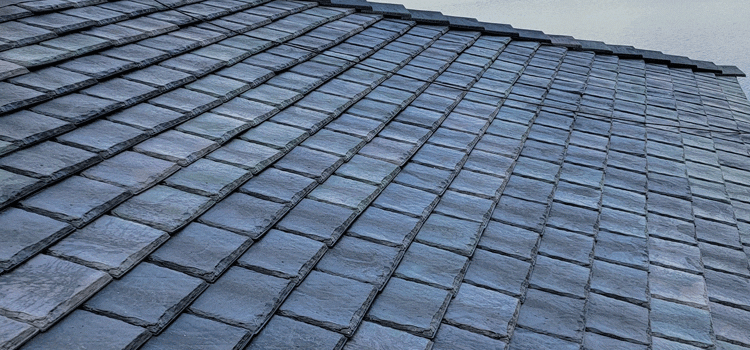
Slate roofing is made from slate, a natural stone and is known for its density and long lifespan. Its thick structure helps slow down heat transfer, which can help keep indoor temperatures more stable throughout the day.
Because slate naturally absorbs and releases heat more slowly, it can help reduce rapid temperature changes inside the home, especially during hot weather. Many homeowners also choose slate roofing for its classic, elegant look and the timeless curb appeal it can bring to a home.
Quick Facts
- Energy Efficiency: Moderate
- Typical Lifespan: 75–100 years
- Typical Cost: $14–$28 per sq. ft.
- Best For: Long-term performance and premium durability
- Main Benefit: Dense material slows heat transfer
- Potential Drawback: Very heavy and expensive to install
- Works Best With: Homes designed to support heavier roofing systems
- Ideal Climate: Mixed climates with both hot summers and cold winters
A Quick Comparison of Energy-Efficient Roofing Materials
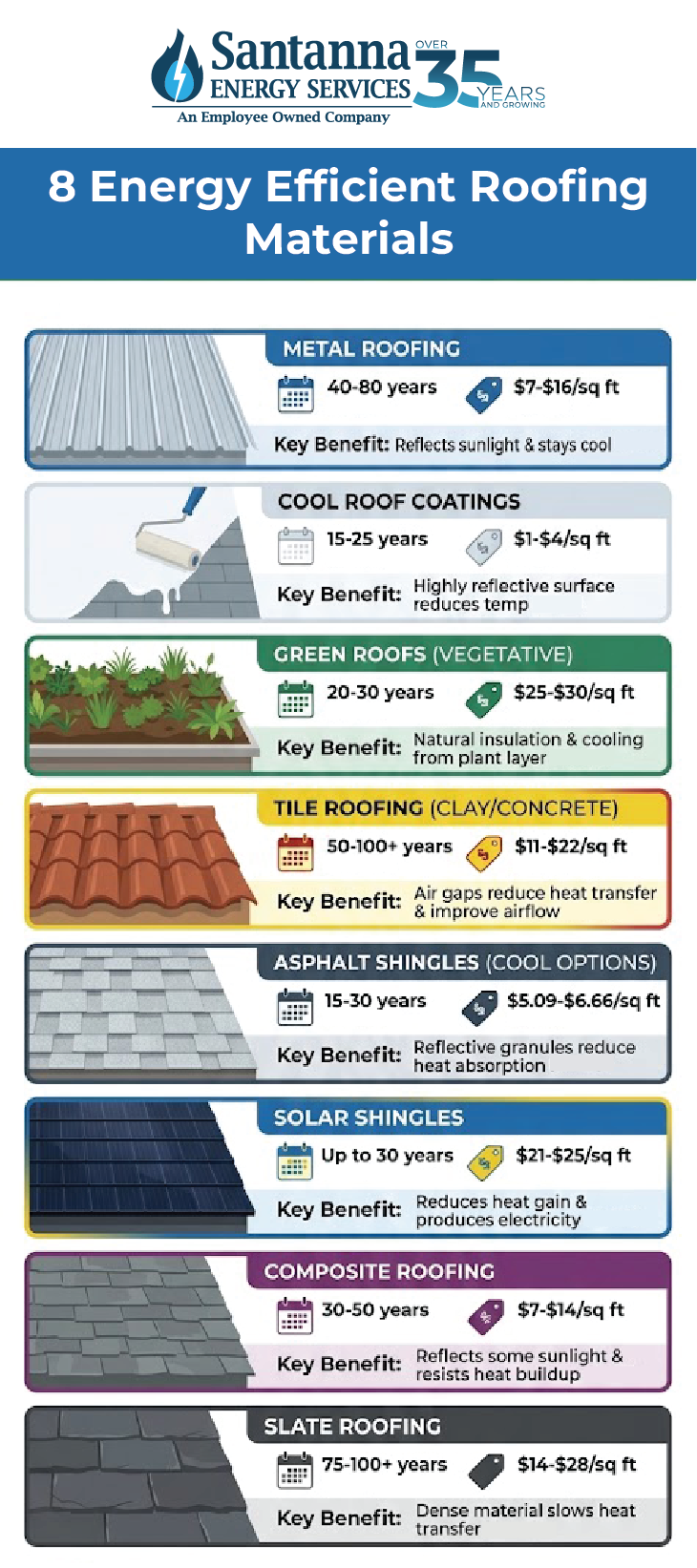
| Material | How Energy Efficient It Is | Key Energy Benefit | Lifespan | Typical Cost ($/sq ft) | Best For |
| Metal Roofing | Very High | Reflects sunlight and can stay much cooler than asphalt | 40 to 80 years | $7 to $16 | Homes with strong sun exposure and cooling needs |
| Cool Roof Coatings | Very High | Highly reflective surface reduces roof temperature and heat transfer | 15-25 years | $1 to $4 | Flat or low-slope roofs that are in good condition |
| Green Roofs (Vegetative) | High | Natural insulation and cooling from plant layer | 20 to 30 years | $25 to $30 | Flat or low-slope roofs with structural support |
| Tile Roofing (Clay/Concrete) | High | Air gaps reduce heat transfer and improve airflow | 50 to 100+ years | $11 to $22 | Hot, sunny climates and long-term durability |
| Asphalt Shingles (Cool Options) | High | Reflective granules reduce heat absorption | 15 to 30 years | $5.09 to $6.66 | Budget-friendly homes and common residential use |
| Solar Shingles | Moderate | Reduces heat gain and produces electricity | Up to 30 years | $21 to $25 | Energy-focused homeowners looking for dual benefits |
| Composite Roofing | Moderate | Reflects some sunlight and resists heat buildup | 30 to 50 years | $7 to $14 | Balanced durability, appearance, and maintenance |
| Slate Roofing | Moderate | Dense material slows heat transfer | 75 to 100+ years | $14 to $28 | Long-term performance and stable indoor temperatures |
Which Roofing Material Is the Most Energy Efficient?
Metal roofing is generally one of the most energy-efficient options which helps homeowners save up to around 40% on their electricity bill, according to State Farm, because it reflects a large portion of sunlight and absorbs less heat, helping keep roof and attic temperatures lower during hot days.
That strong reflectivity can make a noticeable difference during hot weather. When less heat builds up on the roof and inside the attic, your home may stay more comfortable, and your cooling system may not need to run as long to maintain indoor temperatures.
That said, energy efficiency is not limited to metal roofing alone. Other roofing materials can also perform very well depending on your home's design, climate, and ventilation setup.
Tile roofing can also be highly efficient because its design allows airflow beneath the tiles, which helps limit heat transfer. Green roofs offer strong natural insulation by using a layer of plants to reduce surface heat. Cool roof shingles provide a more affordable way to improve reflectivity compared to standard asphalt options.
What Are the Benefits of Energy-Efficient Roofing for Your Home?
Energy-efficient roofing helps reduce how much heat enters your home, which can lower cooling demand, improve comfort, and make your home easier to manage day to day.
To better understand how that can affect your home in real life, let's take a closer look at some of the biggest benefits energy-efficient roofing can provide for your comfort, energy use, and overall home efficiency:
Lower Cooling Demand in Summer
Energy-efficient roofing reduces how much heat your home absorbs during hot days, which means your air conditioner does not have to run as often or for as long. When less heat enters through the roof, your system can maintain your set temperature with less effort, especially during peak summer hours when cooling demand is usually highest.
More Consistent Indoor Temperatures
When your roof limits heat buildup, it helps prevent certain areas of your home from becoming noticeably warmer than others. This is especially helpful for upstairs rooms, which are often more affected by roof heat. As a result, your home feels more balanced and comfortable throughout the day.
Reduced HVAC Strain
When your cooling system does not have to constantly work to remove excess heat, it operates more efficiently. Over time, this can help reduce wear on your HVAC system and support more steady performance, especially during extended periods of hot weather.
Improved Long-Term Comfort
Energy-efficient roofing helps create a more stable indoor environment by reducing how much outside heat affects your home. This makes it easier to maintain a comfortable temperature without constant adjustments, which can improve how your home feels from morning to night.
Less Heat Buildup in the Attic
A roof that reflects or releases heat effectively helps keep attic temperatures lower. This can make a noticeable difference in how much heat moves into your living space and can also help protect items stored in the attic from extreme heat.
Better Support for Insulation Performance
When less heat reaches your attic, your insulation can work more effectively. Instead of constantly blocking excess heat, it helps maintain a more stable indoor temperature, which supports overall energy efficiency.
Improved Indoor Air Comfort
When combined with proper ventilation, energy-efficient roofing can help reduce heat and humidity buildup inside your home. This can make indoor air feel less heavy and more comfortable, especially during humid summer conditions.
More Predictable Energy Use During Hot Months
With less heat entering your home, your cooling system runs more steadily instead of constantly cycling on and off. This can help make your energy use more consistent during the summer, which helps you better understand and manage your monthly energy patterns.
What Are the Energy-Efficiency Benefits of Metal Roofing in Hot Weather?
Metal roofing improves energy efficiency in hot weather by reflecting more sunlight, reducing heat buildup, and helping your home stay cooler, so your air conditioner does not have to work as hard.
During hot summer days, your roof is exposed to direct sunlight for hours. Metal roofing works differently by limiting how much heat enters your home in the first place.
To better understand how this can affect your comfort and energy use, here are some of the key benefits you can expect from metal roofing in hot weather:
- Reflects more sunlight away from your home: Metal roofing reflects a large portion of the sun's heat instead of absorbing it, which helps keep the roof surface cooler during the hottest parts of the day.
- Reduces heat buildup in the attic: Because less heat is absorbed, your attic stays cooler. This helps prevent excess heat from moving into your living space, especially upstairs.
- Releases heat more quickly: Any heat that is absorbed does not stay trapped for long. Metal cools down faster than many other materials, which helps your home recover more quickly after sunset.
- Lowers cooling demand during peak heat hours: With less heat entering your home, your air conditioner does not need to run as long or as often to maintain a comfortable temperature.
- Helps maintain more consistent indoor temperatures: By reducing heat gain, your home is less likely to experience large temperature swings throughout the day.
- Works well with proper attic ventilation: When paired with good airflow, metal roofing helps remove any remaining heat more efficiently, improving overall performance.
- Supports more efficient energy use over time: Reduced heat gain can make your cooling system run more steadily, which helps make your energy use more manageable during long, hot summers.
Overall, metal roofing helps manage heat at the surface level, which can make a noticeable difference in comfort and cooling needs when temperatures rise.
How Does Roofing Material Affect Energy Efficiency in Winter?
Roofing material affects energy efficiency in winter by influencing how well your home retains heat and how much heat escapes through the roof.
During colder months, the goal shifts. Instead of keeping heat out like you would in summer, your home needs to hold onto warmth for as long as possible.
Some roofing materials, especially those with better thermal resistance, can help slow down heat loss from your attic and living space. This helps your home stay warmer for longer without your heating system needing to run as often.
If you have noticed certain rooms cooling down quickly after the heat shuts off, heat loss through the attic and roof can sometimes be part of the reason.
At the same time, roofing material alone cannot do all the work. If the attic is poorly insulated or has air leaks, warm air can still escape easily no matter what type of roof you have. This is why insulation and air sealing have become especially important during winter months.
Ventilation also still plays a role, but in a different way. Proper airflow helps prevent moisture buildup in the attic, which can affect insulation performance and lead to issues over time. A balanced system allows your roof to support both heat retention and moisture control.
To picture this, imagine two homes during a cold day.
In one home, the roof and attic allow warm air to escape easily, so the heating system has to run more often to maintain the temperature. In the other home, the roof slows heat loss and works together with insulation to keep warmth inside. The home stays comfortable longer, and the heating system runs in shorter, more efficient cycles.
The key takeaway is that in winter, roofing material matters because it helps control how much heat your home loses. When combined with proper insulation and airflow, it supports better comfort, more efficient heating, and more consistent energy use during colder months.
Which Roof Color Is Most Energy Efficient for Your Home?
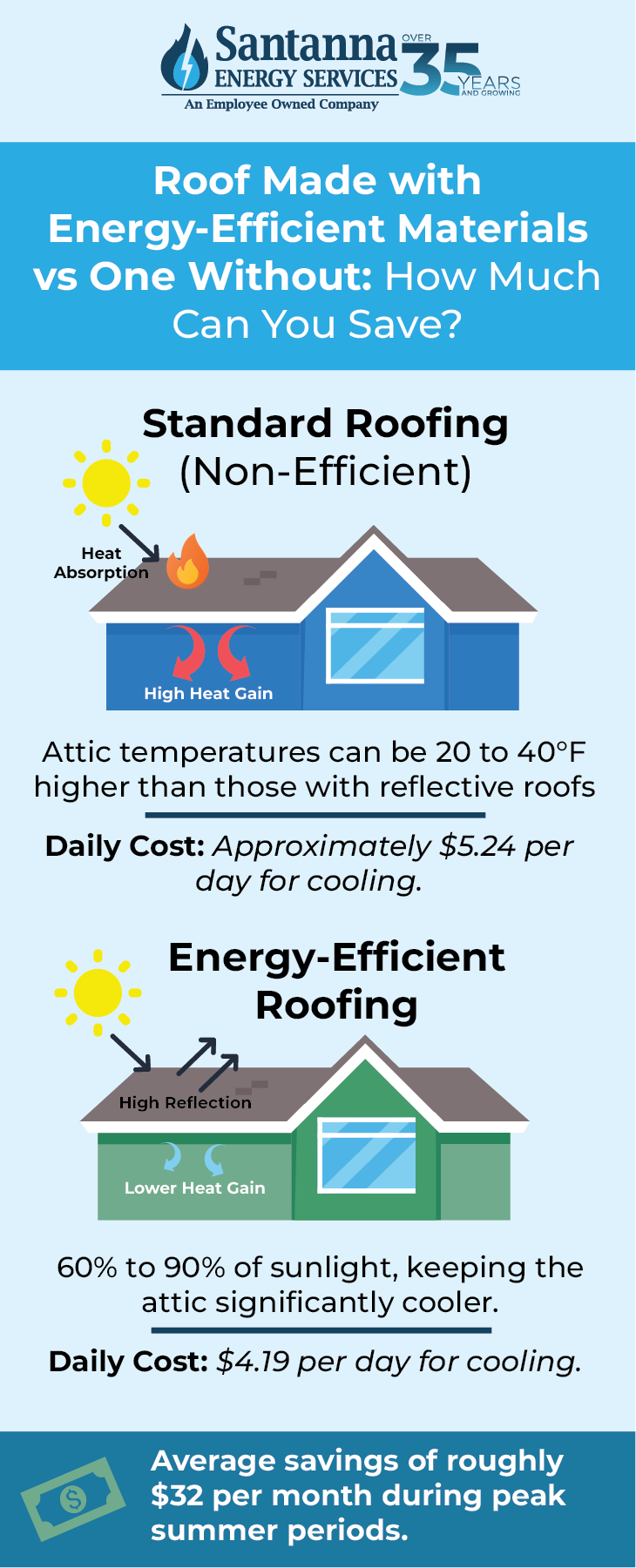
Light-colored roofs are generally the most energy efficient because they reflect more sunlight and absorb less heat, which helps keep your attic and home cooler. According to the U.S. Department of Energy, light or white roofing can reflect about 60 to 90% of sunlight, reducing how much heat builds up during the day.
Lighter colors, such as white, light gray, or beige, reflect a larger portion of the sun's energy away from the roof surface. This means less heat is absorbed, so your attic stays cooler and less heat moves into your living space. In contrast, darker roofs absorb more sunlight, which causes the roof surface to heat up and transfer that heat into your home.
This difference can have a noticeable impact. On a hot day, a dark-colored roof can lead to attic temperatures that are about 20 to 40°F higher compared to homes with more reflective, lighter roofs.
The good news is that roof color is one of the simpler ways to help improve your home's energy efficiency. While it still works best alongside proper insulation and ventilation, a lighter-colored roof can help reduce heat buildup and lower how hard your cooling system has.
Can Energy-Efficient Roofing Lower Your Energy Bills?
Yes, energy-efficient roofing can help lower your energy bills by reducing how much heat enters your home, which allows your air conditioner to run less often and use less electricity.
To see how this works in real life, imagine two similar homes during a hot summer day. Both are the same size and use the same air conditioning system, but the difference is the roof.
In the first home, the roof is dark and absorbs a lot of heat. As the day goes on, heat builds up in the attic and slowly moves into the living space. By the afternoon, the home feels warmer, especially upstairs, and the AC has to run longer and more frequently just to keep up.
In the second home, the roof is made with more energy-efficient materials that reflect sunlight and release heat more quickly. The attic stays cooler, so less heat enters the home. Because of this, the AC runs in shorter, more steady cycles and uses less energy throughout the day.
Here is how that difference can add up:
If the first home uses about 30 kWh per day for cooling, that would cost around $5.24 per day at an average rate of 17.45 cents per kWh, based on the EIA rate for January 2026. This represents a home with a heat-absorbing, less energy-efficient roof.
In comparison, a home with energy-efficient roofing materials may reduce cooling demand by about 20%, lowering usage to around 24 kWh per day, or about $4.19 per day.
That is a difference of about $1.05 per day, or roughly $32 per month during the summer.
Signs Your Current Roof May Be Hurting Your Energy Efficiency
Your roof may be hurting your energy efficiency if it allows too much heat to build up in your attic, making your home harder to cool and causing your AC to work longer than it should.
So how do you know if your current roof may already be affecting your home's comfort and energy use? Here are some common signs to watch for:
- Upstairs rooms feel hotter than the rest of your home: If your upper floors are consistently warmer, especially in the afternoon or evening, it may be a sign that heat is building up in the attic and moving down into your living space.
- Your AC runs longer than expected: When your roof allows more heat into your home, your air conditioner has to run longer to keep up. If your system seems to be working harder than usual, your roof may be contributing to the extra demand.
- Your energy bills increase during summer: A noticeable rise in your electricity use during warmer months can point to excess heat entering your home. This often leads to longer cooling cycles and higher energy use.
- Your attic feels extremely hot: If your attic becomes very hot during the day, it is a sign that heat is being absorbed and trapped. This heat can gradually move into your home and affect indoor comfort.
- Poor ventilation or limited airflow: If your home lacks proper attic ventilation, heat can get trapped instead of being released. This makes it harder for your roof to manage heat effectively.
- You notice uneven temperatures throughout the day: If your home feels comfortable in the morning but gets much warmer later in the day, it may be due to heat building up through the roof and affecting indoor temperatures.
- Your cooling system struggles to maintain the set temperature: If your AC cannot keep your home at your desired temperature during hot weather, excess heat from the roof could be one of the reasons.
If you are noticing several of these signs, your roof may be contributing to higher heat gain and making your home less energy efficient.
FAQs
Do energy-efficient roofs cost more than regular roofs?
Energy-efficient roofs may have a higher upfront cost, but they can help reduce cooling expenses and improve comfort over time.
What's the difference between an energy-efficient roof and a cool roof?
A cool roof focuses on reflecting sunlight, while energy-efficient roofing includes materials and systems that reduce heat transfer overall.
What is the solar reflectance index in roofing?
The solar reflectance index measures how well a roofing material reflects sunlight and releases heat.
What is reflective pigment technology in roofing?
Reflective pigments are added to roofing materials to increase their ability to reflect sunlight and reduce heat absorption.
What other factors affect roofing ventilation and energy efficiency?
Beyond roofing materials, factors like attic insulation, air sealing, ventilation, and roof design all influence how well your home manages heat and airflow.
Energy-efficient roofing is not just about the material you choose. It is about how your home manages heat, airflow, and overall comfort. When your roof helps reduce heat buildup, your cooling system does not have to work as hard, and your home becomes easier to manage day to day.
For many Midwest homeowners, improving how your home handles heat is one step toward more predictable energy use. If you are already making upgrades to improve efficiency, your energy plan should support that same goal. Explore Santanna's Unlimited Energy plan to bring more consistency to your monthly supply charges, so you can focus on a home that stays comfortable without surprises.*
* Restrictions apply. Enrollment based upon program eligibility. Customers using more than 125% of normal monthly usage as determined by Santanna may be required to switch plans.
Tyler is an experienced energy professional, having worked for Santanna Energy Services, for the past four years. He is passionate about renewable energy and believes that diversifying the energy grid is the key to a sustainable future. Tyler is dedicated to supplying consumers with the best possible energy solutions and works diligently to make sure that Santanna can deliver the highest quality service.