
Can You Get Carbon Monoxide Poisoning From an Electric Heater?

by Jenna Mendez
Updated: October 8, 2026
8.2 min read
Key Points of This Article:
- You cannot get carbon monoxide poisoning from an electric space heater because it does not burn fuel; it runs on electricity. Carbon monoxide poisoning is most often linked to fuel-burning appliances and equipment.
- You should still have a carbon monoxide detector in your home even if you use electric heat.
- Keep electric heaters at least three feet away from flammable materials for added safety, and plug them directly into a wall outlet to help reduce the risk of overheating.
If you use an electric heater to stay warm during winter, you may have wondered whether it can cause carbon monoxide poisoning.
The good news is that electric heaters work differently from fuel-burning heaters, and you can't get carbon monoxide poisoning from them.
As an energy supplier serving Midwest homeowners, we're here to help clear up the confusion and explain what carbon monoxide risks do and do not apply to electric heaters, along with a few simple ways to help keep your home and family safe throughout the heating season.
Can You Get Carbon Monoxide Poisoning from an Electric Heater?
No, you cannot get carbon monoxide poisoning from a standard electric heater because it does not burn fuel. Carbon monoxide is created during the fuel-burning process, while electric heaters generate heat using electricity rather than a flame.
Carbon monoxide is commonly associated with furnaces, fireplaces, generators, and fuel-burning space heaters because these appliances burn fuel to produce heat, while electric heaters do not.
Whether you use an electric space heater, electric baseboard heater, or electric furnace, these systems do not produce carbon monoxide on their own. However, carbon monoxide can still be present in a home if you have fuel-burning appliances, fireplaces, or an attached garage.
What Heaters Actually Cause Carbon Monoxide Poisoning?
Carbon monoxide poisoning occurs when carbon monoxide gas builds up indoors and is breathed in over time.
If electric heaters are not the source, where does carbon monoxide come from? In most homes, it is linked to appliances or equipment that burn fuel.
Common sources of carbon monoxide in and around the home include:
- Gas furnaces that are not working properly or are not venting correctly
- Gas water heaters that burn natural gas or propane
- Gas space heaters used indoors
- Propane heaters that are not designed for indoor use
- Wood stoves and fireplaces that do not vent smoke properly
- Portable generators operated inside a home, garage, or too close to windows and doors
- Gas stoves and ovens, when used improperly or for home heating
- Vehicles left running in an attached garage, even if the garage door is open
Problems are most likely to occur when equipment is damaged, poorly maintained, improperly vented, or used in ways it was not designed for.
This is why carbon monoxide detectors remain an important safety feature, even in homes that use electric heaters.
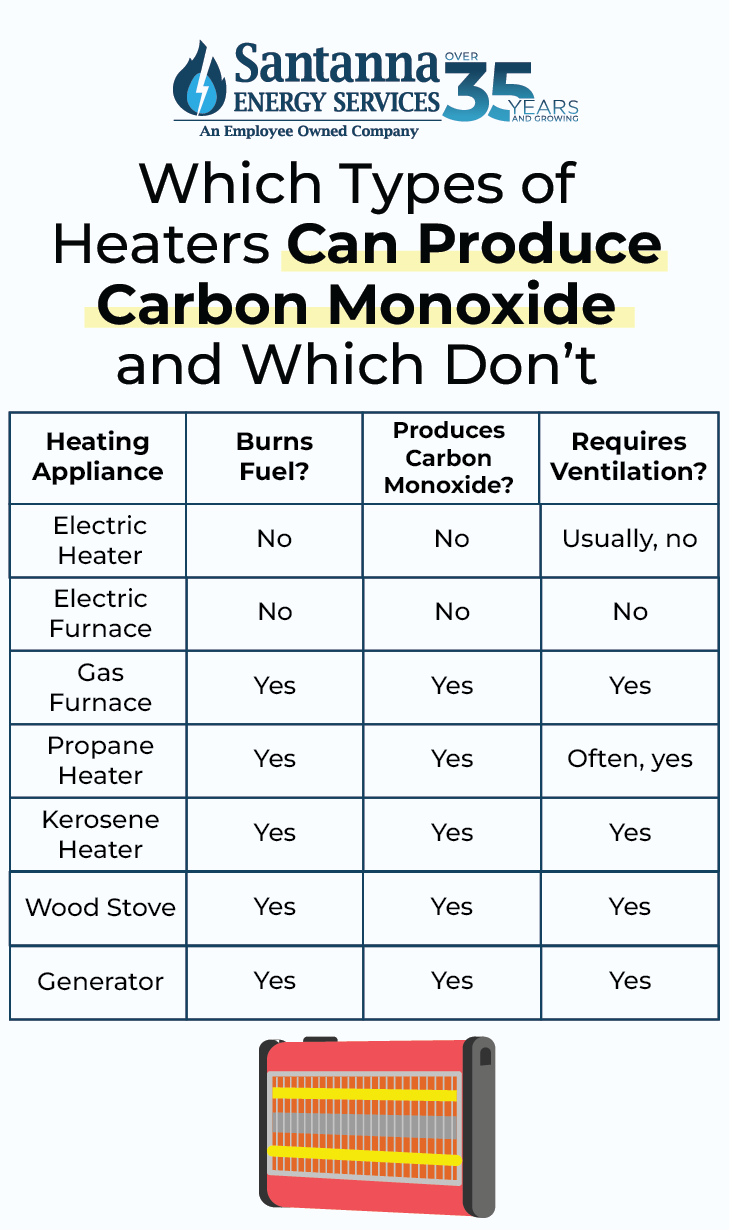
Carbon Monoxide Risk by Heating Appliance Type
Carbon Monoxide Risk by Heating Appliance Type
| Heating Appliance | Burns Fuel? | Produces Carbon Monoxide? | Requires Ventilation? |
| Electric Heater | No | No | Usually No |
| Electric Furnace | No | No | No |
| Gas Furnace | Yes | Yes | Yes |
| Propane Heater | Yes | Yes | Often Yes |
| Kerosene Heater | Yes | Yes | Yes |
| Wood Stove | Yes | Yes | Yes |
| Generator | Yes | Yes | Yes |
A simple rule of thumb is that fuel-burning heaters can produce carbon monoxide, while electric heaters generally cannot. This risk is most commonly associated with equipment that burns natural gas, propane, kerosene, wood, gasoline, or other fuels.
Why Do Some People Think an Electric Heater Caused Carbon Monoxide Poisoning?
Many people assume electric heaters can cause carbon monoxide poisoning because heating safety warnings often group different types of heaters together.
Some space heaters run on electricity, while others burn fuel, and they can look very similar. In other cases, a nearby fuel-burning appliance, such as a gas furnace, fireplace, water heater, or generator, may be the actual source of carbon monoxide.
What Are the Real Risks of Electric Heaters?
Electric heaters do not create carbon monoxide, but improper use can still create fire and electrical hazards.
The good news is that standard electric heaters are generally safe when used properly. Knowing a few common safety risks can help you use them with greater confidence throughout the heating season:
Fire Hazards From Nearby Household Items
One of the most common risks associated with electric heaters is fire. The Electrical Safety Foundation International (ESFI) recommends keeping electric heaters at least three feet away from anything that can burn, such as curtains, blankets, bedding, furniture, clothing, rugs, paper, and other household items, to help reduce the risk of a fire.
Overheating Caused by Blocked Airflow
Electric heaters need adequate airflow to operate safely. When vents become blocked by furniture, blankets, dust buildup, or other objects, the heater may become hotter than intended. Keeping the heater clean and free from obstructions can help prevent overheating.
Electrical Risks From Extension Cords and Power Strips
Many portable electric heaters use a considerable amount of electricity while operating, using about 1,500 watts on high and 750 watts for the low setting.
Plugging them into extension cords or power strips can increase the risk of overheating and electrical problems. Most manufacturers recommend plugging electric heaters directly into a wall outlet whenever possible.
Damaged Cords and Worn Equipment
Older heaters or heaters with frayed cords, which are cords with worn or exposed wiring, cracked plugs, or other visible damage, can increase the risk of fire.
Before using an electric heater each season, inspect it for signs of damage. If the heater, cord, or plug appears damaged, stop using it and replace it. If you notice problems with the outlet or wiring, contact a licensed electrician.
Burns From Hot Surfaces
Some electric heaters can become very hot during operation. Young children and pets may accidentally touch the heater and suffer burns. Placing heaters in low-traffic areas and following manufacturer safety recommendations can help reduce this risk.
Do You Still Need a Carbon Monoxide Detector If You Use Electric Heat?
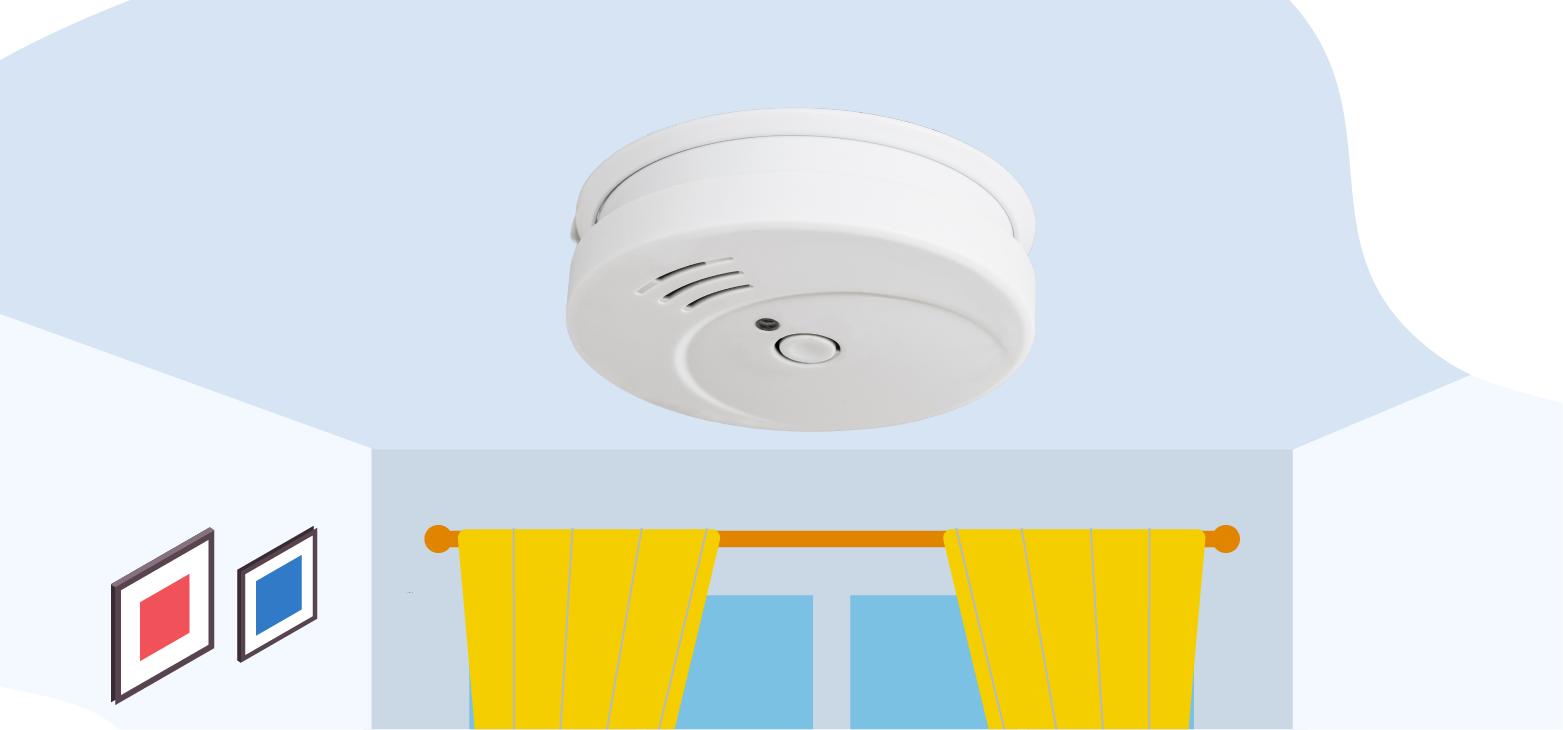
Yes, you still need a carbon monoxide detector even if your home uses electric heat.
Electric heaters, electric furnaces, heat pumps, and electric baseboard heaters do not produce carbon monoxide. However, many homes have other potential sources of carbon monoxide, including gas appliances, fireplaces, wood stoves, portable generators, or vehicles parked in attached garages.
In many Midwest states, including Illinois, Pennsylvania, Ohio, and Michigan, carbon monoxide alarms are required or recommended in homes with fuel-burning appliances, fireplaces, or attached garages.
Because carbon monoxide is colorless and odorless, working carbon monoxide detectors remain an important safety feature, even if your heating system runs entirely on electricity.
Best Electric Heater Safety Tips
When it comes to electric heater safety, the good news is that a few simple habits can go a long way. Let's take a closer look at some tips that can help you use your electric heater with confidence throughout the heating season:
- Keep At Least Three Feet of Clearance Around Heaters: Maintain a clear space around the heater and keep it away from curtains, bedding, furniture, clothing, and other flammable materials. This helps reduce the risk of accidental fires.
- Plug Heaters Directly Into Wall Outlets: Most portable electric heaters are designed to be plugged directly into a wall outlet. Using extension cords or power strips can increase the risk of overheating and electrical problems.
- Avoid Leaving Portable Heaters Unattended: Turn off heaters when leaving the room or going to sleep unless the manufacturer specifically states the heater is designed for overnight use.
- Keep Heaters Clean and Free of Dust: Dust and debris can accumulate on heaters over time. Regular cleaning can help the heater operate more safely and reduce the risk of overheating.
- Follow Manufacturer Safety Instructions: Every heater is slightly different. Following the manufacturer's instructions for placement, operation, cleaning, and maintenance can help ensure the heater is used safely.
A few simple habits can go a long way toward reducing risks and helping your household stay warm and comfortable throughout colder weather.
FAQs
Can a Faulty Electric Heater Leak Carbon Monoxide?
No, a faulty electric heater cannot leak carbon monoxide because electric heaters do not burn fuel to produce heat.
Are Space Heaters a Fire Hazard?
Yes, space heaters can pose a fire hazard if placed too close to flammable materials or used improperly.
What Heaters Are Safest for Indoor Use?
Electric heaters are generally among the safest indoor heating options because they do not burn fuel or produce carbon monoxide.
Can Electric Baseboard Heaters Produce Carbon Monoxide?
No, electric baseboard heaters do not produce carbon monoxide because they operate using electricity rather than fuel combustion.
Can an Electric Furnace Cause Carbon Monoxide Poisoning?
No, an electric furnace cannot cause carbon monoxide poisoning because it does not burn natural gas, propane, oil, or other fuels.
Do Electric Heaters Need Ventilation?
No, standard electric heaters generally do not require ventilation because they do not produce combustion gases.
While you may have wondered whether an electric heater can cause carbon monoxide poisoning, the answer is no. Carbon monoxide comes from fuel-burning appliances, not electric heating systems.
Knowing the difference can help you focus on the safety precautions that matter most, from maintaining fuel-burning equipment to keeping carbon monoxide detectors in your home in working order.
Winter already gives you enough things to think about. If you also prefer fewer surprises when it comes to your energy costs, Santanna's Unlimited Energy plan can provide predictable supply charges from season to season.*
While no one can control the weather, having a little more certainty about your energy supply costs can make the colder months feel a little more comfortable.
* Restrictions apply. Enrollment based upon program eligibility. Customers using more than 125% of normal monthly usage as determined by Santanna may be required to switch plans.
Jenna Mendez is an experienced energy content professional who has spent four years researching, writing, and managing authoritative educational content for Midwest energy consumers at Santanna Energy Services. As a lifelong Illinois resident, Jenna brings firsthand knowledge of the region’s climate, communities, and household energy needs to her work.
She specializes in translating complex energy topics into clear, practical guidance about electricity and natural gas costs, appliance energy use, energy efficiency, and everyday home living. Drawing on industry research, Santanna customer data, and insights from experienced energy professionals, Jenna incorporates this knowledge into her content to help homeowners better understand their energy choices and make informed decisions for their households.