

Will AI Data Centers Increase Electricity Prices?

by Chris Tessler
Updated: June 1, 2026
17.9 min read
Key Points of This Article:
- AI data centers are unlikely to cause a sudden spike in your electricity bill, as their impact is usually gradual and just one of many factors that influence pricing.
- Ultimately, your individual bill is still driven more by your own energy usage, local conditions, and electricity plan, even as data centers contribute to long-term trends in energy costs.
- As demand rises, these facilities can put upward pressure on electricity prices by forcing utilities to generate more power, invest in infrastructure, or rely on higher-cost energy sources.
If it feels like AI is everywhere right now, you're not imagining it. Behind every AI-generated answer, image, search, and recommendation are massive data centers using enormous amounts of electricity.
As electricity demand grows, many homeowners are starting to ask the same question: Could AI eventually affect my electric bill?
According to a recent report by the International Energy Agency, electricity demand from AI data centers increased by 17% in 2025 and is expected to double by 2030. While that growing demand can put pressure on parts of the power grid and wholesale electricity markets, the impact on an individual homeowner's bill may still be relatively small in many areas.
And at a national level, AI data centers can absolutely put upward pressure on electricity prices as energy demand continues to climb.
In this guide, we'll explain how AI data centers work, why they use so much electricity, how growing demand can affect prices, and what it could mean for your energy bill in the years ahead.
What Are AI Data Centers?
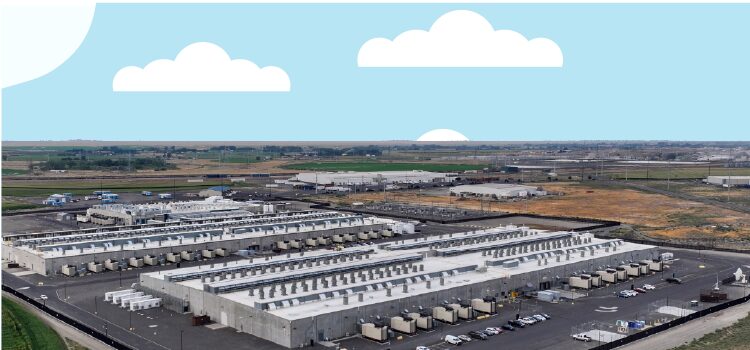
AI data centers are large facilities that store and process the massive amounts of data needed to run artificial intelligence systems. In fact, the American Midwest is among the regions emerging as key hubs for some of the largest and most powerful AI data centers, according to Business Insider.
These buildings are filled with rows of powerful computers that handle everything from search results to AI tools and automation systems. Every time AI is used, whether it is generating content, answering questions, or analyzing data, it is supported by these data centers working in the background.
Inside these facilities, you will typically find thousands of servers running at the same time, along with high-performance systems designed to handle complex tasks quickly. Because all of this equipment generates heat, advanced cooling systems are needed to keep everything running safely and efficiently (this can silently add to electricity costs too).
What makes this important for homeowners is how these facilities operate. They run all day and night without stopping, and they require a constant and reliable supply of electricity. That steady demand is what connects AI data centers to the broader conversation about energy use and electricity prices.
Will AI Data Centers Increase Electricity Prices?
AI data centers can increase electricity demand, which may put upward pressure on electricity prices over time, especially when supply has to work harder to keep up.
While the full impact is still unfolding, many energy professionals already believe infrastructure is struggling to keep pace with demand.
Electricity has to be produced and delivered the moment it is used. When more homes, businesses, and facilities like data centers all need power at the same time, the system has to work harder to meet that demand.
If supply is stretched, energy providers may need to produce more electricity, rely on higher-cost sources, or invest in upgrades to keep the system reliable. Over time, these changes can influence electricity prices.
As Retail Operations Supervisor at Santanna Energy Services Jacob Childress noted, "the speed at which these data centers are being built is outpacing capacity growth."
As more AI tools are used, more data centers are built to support them, and those facilities require a steady and large supply of electricity. This adds to overall demand across the grid, which is one of the factors that can shape long-term energy costs.
That said, electricity pricing does not depend on just one factor. For homeowners, any impact from AI is likely to happen gradually and may show up as part of long-term price trends rather than sudden changes. You are unlikely to see your bill spike overnight because of data centers alone, but they can be one of the factors shaping energy costs over time.
From an individual home prospective, what matters most is not just the rise in electricity demand itself, but how that demand affects your local grid, regional energy supply, utility infrastructure, and the type of electricity plan you have. In many cases, homeowners may see little to no noticeable change on their electricity bill because AI data centers unless energy demand significantly outpaces available supply in their region.
How AI Data Centers Can Influence Electricity Prices
AI data centers can influence electricity prices by increasing overall demand, which can affect how electricity is produced, delivered, and priced over time.
Electricity prices are shaped by many factors, but as AI data centers grow, they add new pressure to the system. When more electricity is needed across the grid, several things can happen behind the scenes that may influence costs.
Here are the key factors related to AI data centers that can play a role:
- Power plants may need to run more often. As demand increases, power plants may need to operate longer or at higher output to supply enough electricity.
- More expensive energy sources may be used. During periods of high demand, providers may rely on higher-cost energy sources to meet the need, which can affect overall pricing.
- New power plants and transmission lines may be built. As large facilities like data centers are added, new generation and delivery systems may be needed to keep electricity reliable.
- Grid upgrades and expansion: Higher demand can require improvements to power lines, substations, and other infrastructure to support growing energy use.
Regions with new data center development may see higher electricity demand compared to other areas, which can affect how energy is managed locally.
- Energy system planning and investment. Meeting long-term demand often requires ongoing investment in the energy system, which is one of the factors that can influence electricity costs over time.
AI data centers do not directly control your electric bill, but they do contribute to the overall demand that shapes electricity prices. Over time, this added demand becomes part of the bigger picture, along with factors like weather, fuel costs, and how much energy your home uses.
Will AI Data Centers Increase Your Individual Electric Bill?
AI data centers can contribute to a higher electricity bill over time by increasing overall demand, but they are only one of several factors that affect what you pay.
In a recent internal survey, we asked Santanna employees whether they're concerned that growing electricity demand from AI data centers could increase their monthly bill—and 88% of respondents said they are concerned, highlighting just how top-of-mind this issue has become.
As more AI data centers are built, they require large and steady amounts of electricity, which adds pressure to the grid. According to the Environmental and Energy Study Institute, growing demand from data centers is already contributing to higher energy costs in some areas as utilities expand infrastructure and generation to keep up. In fact, prices are expected to increase by up to 40% by 2030 compared to 2025.
Recent reporting from Consumer Reports also notes that residential electricity prices are rising in part because the rapid growth of large data centers is increasing demand on the grid. When more electricity is needed across the system, it can push up costs over time.
That said, this does not mean your bill will suddenly spike because of data centers alone. Electricity prices are influenced by many factors, including weather, fuel costs, infrastructure, and how much energy is being used in your area. In many Midwest homes, heating and cooling still have a larger and more immediate impact on monthly costs.
For homeowners, the key takeaway is that AI data centers are already contributing to rising electricity demand, and that can affect prices, but your bill is still mostly driven by your own usage and local conditions.
Changes, if they happen, are usually gradual and vary by location.
What We're Seeing From Midwest Customers and the Impact of Data Centers on Their Community
In some Midwest areas, the growth of data centers is already starting to show up in conversations about electricity costs and demand.
This does not mean every homeowner will see the same impact right away, but in certain regions, especially where new data centers are being built, there are early signs of how this added demand can affect the energy system.
Here's what recent reports are showing:
- Data centers are driving a growing share of electricity demand: Data centers currently make up about 4% of U.S. electricity use, and that share is expected to increase to between 6% and 12% by 2028. This rapid growth is one of the factors behind projected increases in national electricity consumption over the next decade.
- Data center growth in the Midwest is accelerating: Midwest currently has over 650 existing data centers and more than 400 planned, representing roughly a 64% increase in development activity. When asked about AI data centers in the Midwest, Ohio native and Santanna Energy Services Compliance and Regulatory Lead Specialist Rachael Morris remarked that "local power lines and substations [in Ohio] lack capacity and will need major upgrades."
- Midwest demand is growing fast and already affecting costs: Electricity demand from data centers is expected to grow significantly, with estimates ranging from 29% to over 166% (from 2023) levels by 2030. Illinois has seen rapid growth, especially in the Chicago area, and in some cases, this added demand has already been linked to higher electricity costs for customers. When asked about AI data center growth in Illinois, Matt Dragos, Channel Relations Manager for Santanna Energy Services noted that data centers have "already impacted ComEd bills, specifically the capacity component."
- Chicago-area bills could rise due to growing data center demand: The Citizens Utility Board reports that electricity bills in the Chicago area could increase by up to about $70 over the next three years, in part due to rising demand from data centers.
- Rising demand and infrastructure upgrades are pushing costs higher: The rapid growth of data centers is increasing electricity demand nationwide, which can put upward pressure on prices. In June 2025, some Ohio consumers saw supply rate increases of about 10% to 35%, and expanding the grid to support large facilities can add costs that are often shared across customers, with transmission upgrades estimated to cost around $4 billion in 2024.
These examples show that in some parts of the Midwest, the impact of data centers is already starting to take shape. While changes are not the same everywhere, growing demand can influence how electricity is managed and priced over time, especially in areas seeing rapid development.
How Energy Suppliers and Utilities Respond to Rising Demand
According to Reuters, utilities respond to rising demand by increasing supply, upgrading infrastructure, and planning ahead to keep electricity reliable and prices as stable as possible.
When electricity demand grows, whether from homes, businesses, or data centers, energy providers do not wait for problems to happen. They prepare in advance by making sure there is enough electricity available and that it can be delivered safely when it is needed.
One of the most common responses is increasing how much electricity can be generated. This can include building new power plants and transmission lines. At the same time, utilities invest in upgrading existing power lines, substations, and other equipment so electricity can move efficiently across the grid.
Energy suppliers also look for ways to manage how electricity is used. This can include programs that encourage energy efficiency or help reduce demand during high-use periods. The goal is to keep the system balanced without affecting comfort in your home.
Some large facilities, including data centers, are also taking steps to manage their impact. In some cases, they invest in their own power sources or support renewable energy to help offset their electricity use.
Why Do AI Data Centers Use So Much Electricity and Why Does It Matter for Your Home?
AI data centers use a large amount of electricity because they rely on powerful computing, constant cooling, and 24/7 operation, and that demand comes from the same grid that powers your home, which adds to overall electricity demand over time.
According to the Library of Congress, in 2023, U.S. data centers used an annual energy consumption of approximately 176 terawatt-hours (TWh), approximately, 4.4% of U.S. annual electricity consumption.
That's enough energy to power roughly 16 million American homes for an entire year.
Even though these facilities operate behind the scenes, their energy use becomes part of the same system that supplies electricity to homes and communities. As demand grows across that system, it can affect how electricity is generated, delivered, and managed in your area.
To understand why this demand is increasing, it helps to look at what drives energy use in AI data centers:
- High computing power: AI models require intense processing to train and run, often using specialized hardware that consumes more electricity than standard servers. As more of this computing is used, it adds to overall demand on the system.
- Cooling systems: All that processing generates heat, so data centers rely on large cooling systems that run continuously. Cooling alone in a residential home accounts for 43% of a monthly electricity bill during hot summer months. Now scale that up from cooling a single home to cooling entire buildings packed wall-to-wall with high-powered servers operating 24/7. The energy demand becomes enormous.
- Always-on operation: Unlike many systems in your home that turn on and off, data centers run all day and night. This keeps electricity demand steady, even outside of peak hours.
- Rapid growth: As more people and businesses use AI tools, more data centers are being built to support that demand. Over time, this growth adds to the overall electricity needs across the grid.
- Higher power density: AI equipment packs more computing power into smaller spaces, which increases electricity use in a single location and raises cooling needs.
- Supporting systems: Data centers rely on power distribution systems, networking equipment, and backup infrastructure to keep operations stable. These systems add to total energy use and require ongoing investment to maintain reliability.
AI data centers do not directly raise electricity your bill, but they do add to the total electricity demand across the system. Over time, with more data centers popping up more than ever, that added demand becomes part of the bigger picture that can influence how electricity is supplied and priced in your area.
How Much Electricity Do AI Data Centers Use Compared to Residential Homes?
AI data centers can use as much electricity as small cities, and a single large hyperscale facility can use as much power as tens of thousands of homes.
Large data centers often operate at power levels measured in megawatts, which is far beyond what a typical home uses. According to the U.S. Energy Information Administration, the average U.S. home used 10,791 kilowatt-hours of electricity in 2022.
The International Energy Agency (IEA) notes that large hyperscale data centers can have power demands of 100 megawatts equivalent to the annual electricity consumption of 81,000 households.
A 100 MW data center could use about as much electricity in a year as 81 neighborhoods with 1,000 hours like yours combined.
According to the IEA, data centers are using more and more electricity, mostly because of AI and global data center electricity consumption is projected to more than double to around 945 terawatt-hours (TWh) by 2030.
For homeowners, the key takeaway is not just that these facilities use a lot of electricity, but that this demand becomes part of the broader system that supplies homes too. As more large users are added to the grid, total demand rises, and over time that can affect how electricity is produced, delivered, and priced in some areas.
How To Protect Yourself from Unexpected Spikes in Your Electricity Bill Because of AI Data Centers
Rising demand from sources like AI data centers can influence the bigger energy system over time, but your monthly bill is still shaped mostly by how your home uses electricity and how your plan is set up. Small changes at home can make a real difference.
Here are some, practical steps you can take to keep your energy costs under control, even as overall demand increases:
1. Monitor Your Electricity Usage
Start by understanding how much electricity your home uses each month. Look at your bill trends and notice when usage goes up, such as during summer or winter.
When you know your patterns, it becomes easier to spot changes early and adjust before costs grow.
2. Improve Home Efficiency
Making your home more efficient can reduce how much electricity you need in the first place. Simple steps like sealing air leaks, adding insulation, or maintaining your heating and cooling system can help your home stay comfortable without using extra energy.
Even small improvements can lead to steady savings over time.
3. Use Heating and Cooling More Wisely
Heating and cooling systems are often the biggest drivers of your electric bill. Try setting your thermostat a few degrees higher in summer or lower in winter when possible.
Using ceiling fans, closing curtains during hot days, and keeping vents clear can also help your system run more efficiently.
4. Reduce Unnecessary Energy Use
Turn off lights, electronics, and appliances when they are not in use. Even small habits, like unplugging unused devices or using energy-efficient lighting, can add up over time with savings as much as $50-$100 per year.
These changes may seem simple, but they help lower your total usage each month.
5. Understand Your Energy Plan and Rate Structure
Take time to understand how your electricity plan works and whether it fits how your home uses energy. Some plans change with market conditions, while others are designed to stay more stable.
If you live in a deregulated energy market, you may have the option to choose a supplier and a plan that better matches your usage and budgeting style. Being on the right plan for your lifestyle can help you avoid unexpected changes and keep your monthly bill more predictable.
6. Upgrade to More Efficient Appliances
Older appliances often use more electricity than newer, energy-efficient models. If you are replacing equipment, choose an ENERGY STAR–certified appliance to help lower your energy use over time. Look for appliances that are designed to use less electricity while still meeting your needs.
7. Stay Informed About Local Energy Trends
Pay attention to what is happening in your area, such as changes in weather patterns, population growth, or new developments. These can all affect electricity demand and how energy is managed locally.
Common Misconceptions About AI Data Center and Energy
There are many misunderstandings about how AI data centers affect electricity use and pricing, and clearing them up can help you better understand what really impacts your bill.
"AI is the main reason electricity prices are rising"
Not true. Electricity prices are influenced by many factors, including weather, fuel costs, infrastructure, and overall demand. AI is only one part of the bigger picture.
"Prices will spike everywhere immediately"
Not true. Any impact from rising demand, including from AI, tends to happen gradually and varies by region.
"My home is competing with data centers for electricity"
Not exactly. Homes and data centers draw power from the same grid, but energy suppliers plan ahead to meet demand. Your home is not directly competing for electricity in a way that would suddenly affect your service.
"AI demand means there won't be enough electricity"
Not true. Utilities and energy suppliers continuously plan, build, and upgrade systems to ensure there is enough supply to meet demand.
"Only large industries affect electricity prices"
Not true. Everyday usage from homes, especially during extreme weather, is one of the biggest drivers of demand and can influence pricing just as much as large facilities.
AI data centers are part of the energy conversation, but they are not the only factor and they do not directly control what you pay. Understanding what truly affects your bill can help you make better decisions and feel more confident about your energy use.
FAQs
Do AI data centers use more electricity than regular data centers?
Yes, AI data centers use more electricity because they require more powerful computing and greater cooling to handle intensive workloads.
Where are AI data centers being built?
AI data centers are being built across the United States and globally, often in regions with strong power infrastructure and available land.
AI data centers are increasing electricity demand, but they are only one piece of a much bigger picture. For most Midwest homeowners, your energy use, your plan, and your local conditions still play the biggest role in your monthly bill.
Even as demand grows, what matters most is how you manage your energy at home and how your rate is structured. In regions with changing seasons and shifting demand, having a plan that brings more consistency can make a real difference.
If you prefer fewer surprises when demand rises, an Unlimited Energy plan offers a more predictable way to manage your energy supply costs.* It may be worth exploring if you want a steadier approach as the energy landscape continues to evolve.
* Restrictions apply. Enrollment based upon program eligibility. Customers using more than 125% of normal monthly usage as determined by Santanna may be required to switch plans.
Chris Tessler is a seasoned professional in the deregulated energy industry with over 15 years of experience. Throughout his career, he has honed his skills in commodity trading, risk management, and retail energy supplier operations. Chris has a passion for leveraging new technologies to address challenges at the intersection of the energy industry, carbon economy, and climate change, as well as finding innovative ways to promote healthy living and building strong communities in our modern urban environments.